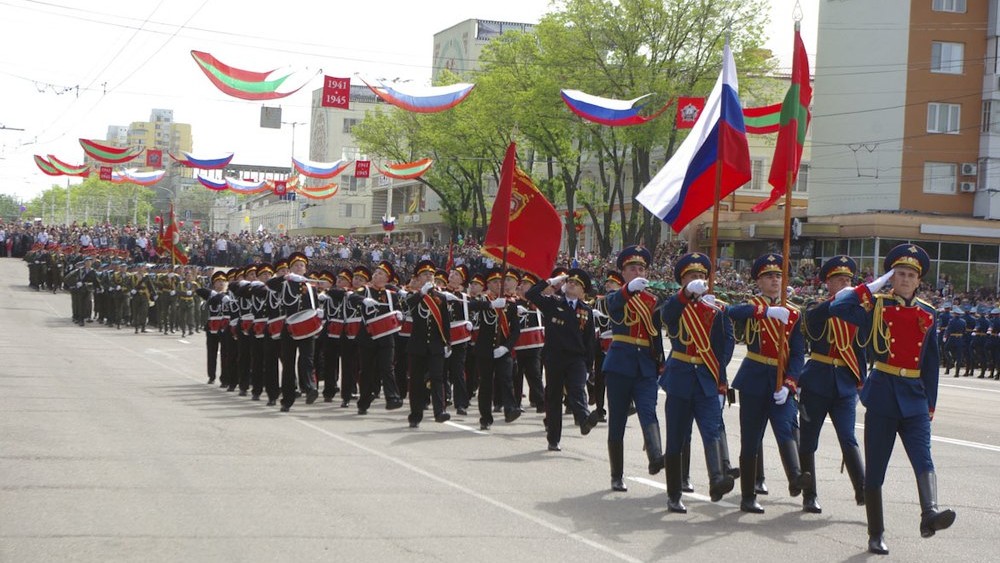

Since 2014, when the Association Agreement between the European Union and the Republic of Moldova was signed, Transnistrian businesses have reoriented themselves from the Russian and CIS markets to the EU one. The Association Agreement has similarly impacted on migration trends, with Transnistrians now eligible for visa free travel to the EU with Moldovan passports. Moreover, Russia’s annexation of Crimea and its full-scale invasion of Ukraine have further contributed to the de-isolation of the unrecognized Transnistria region.
At the same time, Transnistria is known as a Russian client and part of the Russian “civilizational space.” For decades, its population has been exposed to Russian “compatriot” policies.
In her presentation, Cojocari will examine the impact of EU’s “engagement without recognition” policy on the region’s foreign policy and its population. Drawing on her study of local media, migration data, and in-site research, she will discuss how (and whether) interactions with European values and culture shape the sense of belonging to the Russian “civilizational space.”

Tatiana Cojocari is a Postdoctoral Researcher at the Romanian Centre for Russian Studies. She also works for WatchDog.MD, a Chișinău-based think tank in the Republic of Moldova.