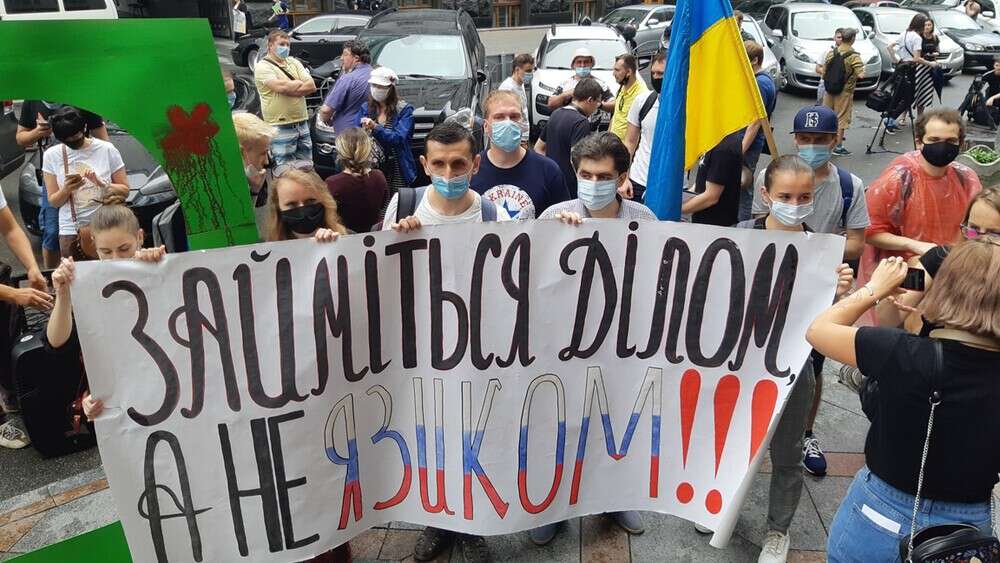

The lecture deals with the vagaries of linguistic “colonization” of Russian-ruled Ukraine from the mid-17th century to 1914. The author discusses the major stages in the implementation of the colonialism policies, starting with first bans on book printing in Church Slavonic of the Ukrainian recension via the decrees and edicts issued by Peter I together with the Holy Synod to the punitive measures taken by the tsarist regime against new literary Ukrainian in the second half of the 19th century. Three “Ukrainian languages” (Church Slavonic of the Ukrainian recension, Ruthenian, and new literary Ukrainian) were consecutively exposed to various forms of colonial management by the tsarist administration. The lecture concludes that Russia’s rulers had special reasons for treating Ukraine more severely than other non-Russian colonial territories, resulting in a constant, consistent, and long-lasting policy aimed at the linguistic “colonization” in Russian-ruled Ukraine.
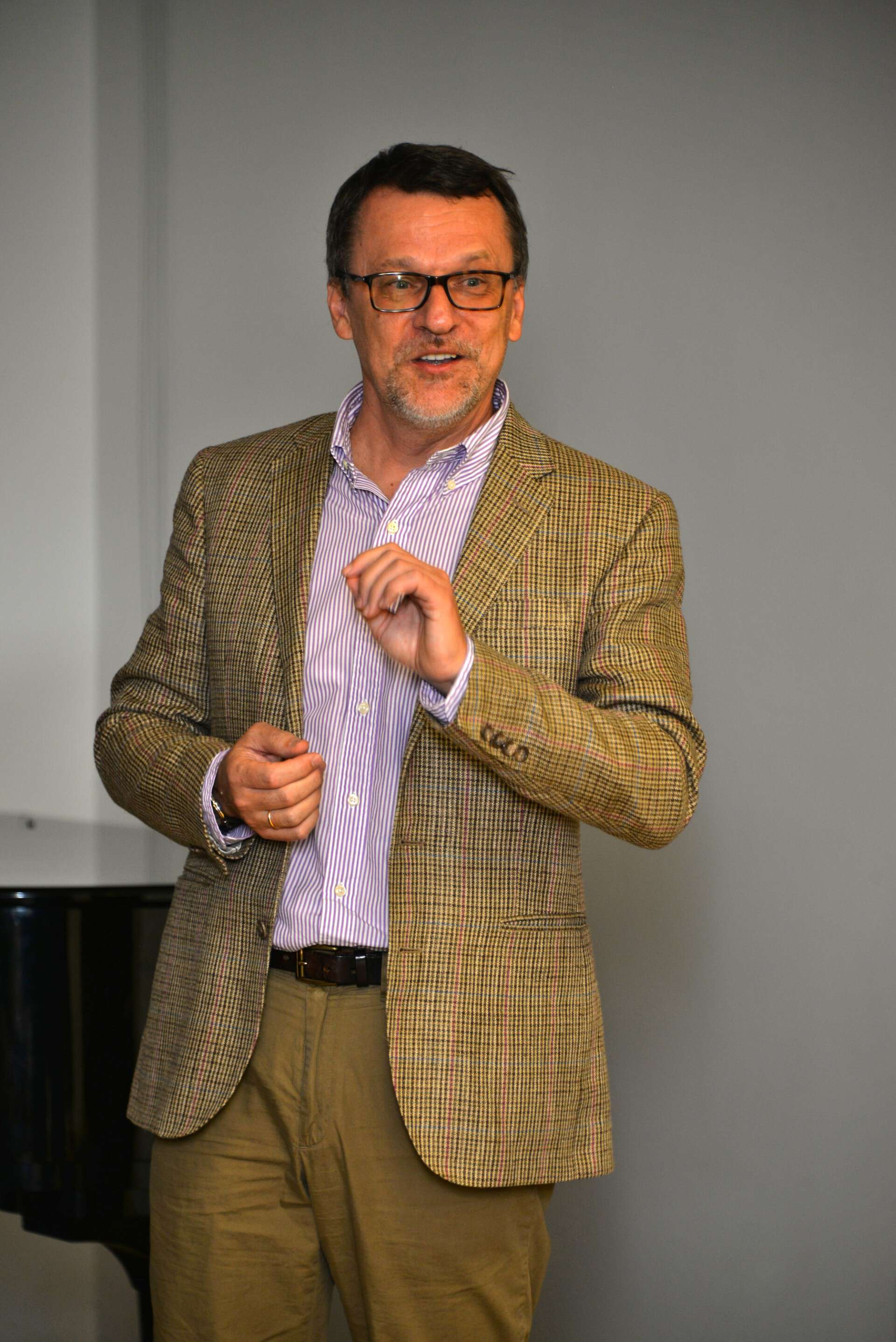
Andriy Danylenko is a Ukrainian-American professor at Pace University, New York, and holds an honorary professorship at the National University of “Kyiv-Mohyla Academy” in Ukraine. He is the author and editor of a dozen books on Slavic linguistics, with a particular focus on the Ukrainian language.
The lecture is sponsored by The US-Norway Fulbright Foundation.