About the Presentation
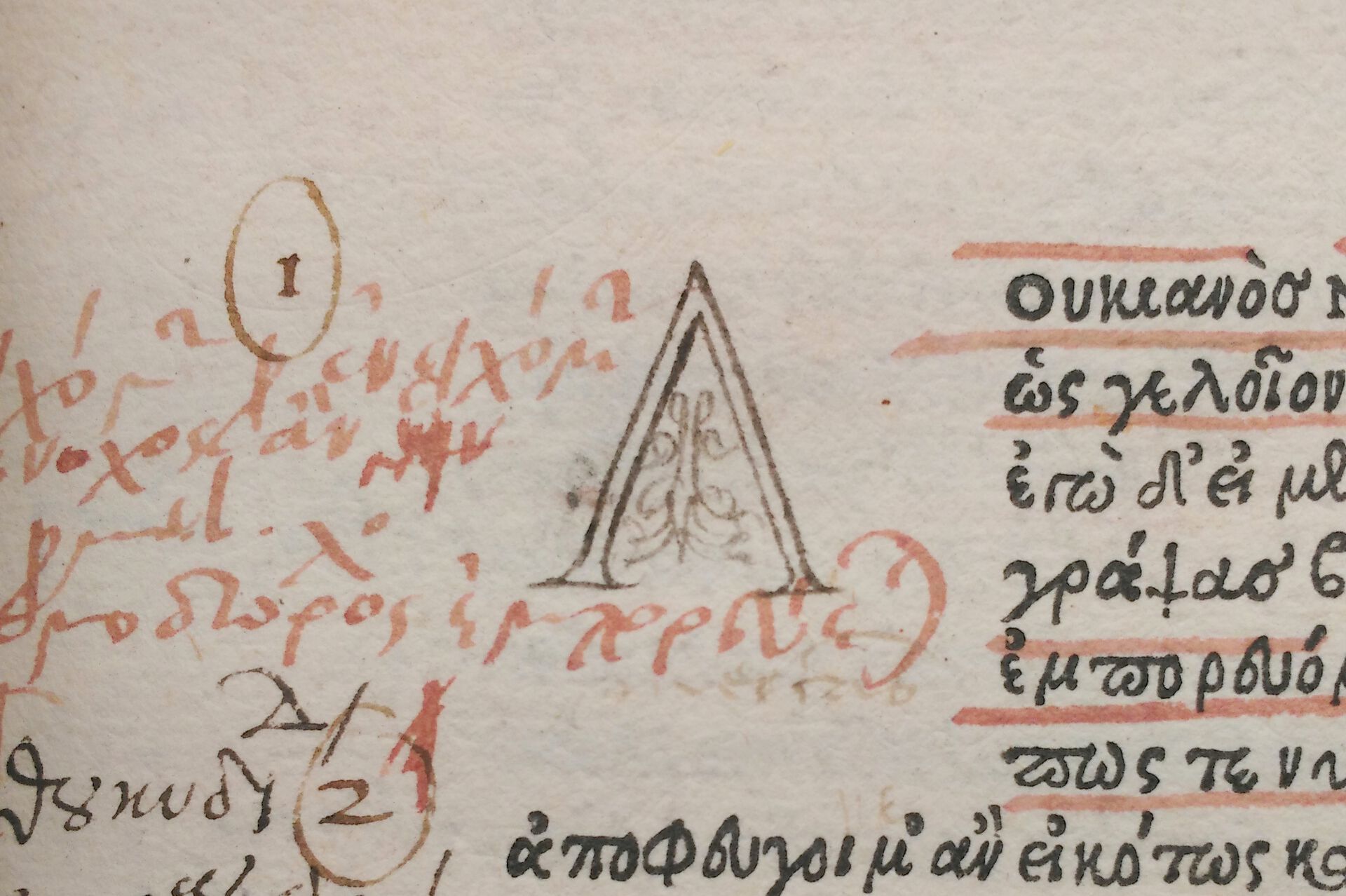
In the course of the Sixteenth Century, learning Greek gradually became easier as places where one could acquire this skill increased significantly (in academies, universities and then colleges). At the same time, the printed tools for teaching and reading the language also multiplied. However, even if they could be qualified as “learned” workers, many of the printers who supervised issues of Greek texts were not scholars, in the narrow and sociological sense of the word, that is to say people with an academic degree. This observation raises the question of how Greek was taught to printers and book workers who never attended university: who taught them? What were their skills and how did they learn? Despite the very few witnesses we have on this activity, I will try to provide some examples that could improve our understanding of this topic.
About the Early Modern Hellenism Colloquia
The colloquium, organized by Natasha Constantinidou (University of Cyprus) and Han Lamers (University of Oslo), consists of a 20-minute presentation followed by an informal discussion lasting up to 30 minutes. We encourage presenters to concentrate on the primary sources and materials that are central to their research, while also reflecting on their academic background and how it shapes their approach(es) to early modern Hellenism. Presenters might also try a more experimental approach by showcasing a specific source or interesting excerpt and inviting attendees to discuss its implications and significance.
Interested in Attending?
If you are interested in participating in the seminar, please register using this registration form.