In fifteenth-century Italy, artefacts perceived as morally corrupt—ranging from artworks to everyday crafted goods—were publicly burned in ritualized bonfires. These acts were initiated and orchestrated by Franciscan and Dominican popular preachers such as Bernardino da Siena and Girolamo Savonarola, who sought to purge society of the material manifestations of sin.
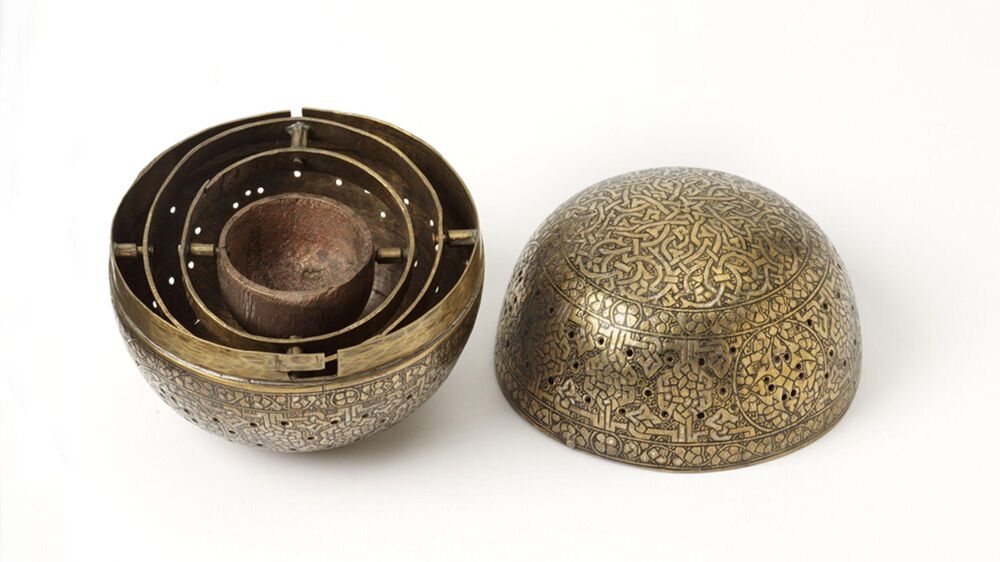
This talk offers a closer examination of two categories of objects consumed by the flames: perfumes and their containers, and various types of gaming implements. In the late Middle Ages and the early Renaissance, fragrance was associated with holiness, personal and collective hygiene, and bodily health, but also with vanity and moral danger. Gambling, by contrast, was unequivocally condemned by both secular and religious authorities. In practice, however, it was tolerated and, in many cases, even actively promoted by the communes themselves.
Perfume vessels, playing cards, and dice were, in themselves, merely material objects. Yet within this socioreligious context they became symbolically charged and were deemed sufficiently dangerous to warrant destruction in what later came to be known as the Bonfires of the Vanities.
Interested in attending?
Please register, preferably the day before the lecture: https://nettskjema.no/a/romeseminar