Abstract
This talk examines the role and significance of English within the multilingual repertoires of kindergarten children. The Norwegian Framework Plan for kindergartens emphasizes a resource-oriented perspective on multilingualism, encouraging the use of children’s mother tongues while also prioritizing the development of Norwegian language skills. The Norwegian Framework Plan does not mention English. I conducted fieldwork to explore language practices of children in kindergarten, and to investigate how the children’s language practices are viewed by parents, staff, and the children themselves.
Preliminary findings reveal that English plays a central role among kindergarten children when it comes to multilingualism. Children show a notable level of interest, enthusiasm, and use of English. Even when opportunities are created to use and learn a wide array of languages, children often choose English. I explore the functions of English in the way children use the English language, and the children’s metalinguistic discourses of English and of their own use of the English language. Further, I present preliminary findings on how kindergarten children interact with a broader multilingual repertoire compared to the children’s interaction with English.
In this presentation I explore and present preliminary findings from an ongoing PhD project with ethnographic fieldwork conducted in Northern Norway. Methodology includes ethnographic participatory observations of children’s play, language related and play based interaction with children, field conversations, and interviews with staff and parents. This PhD project is part of the research project Multilingualism in Transitions (MultiTrans), funded by The Research Council of Norway (2021-2026, project 325039)
Bio Data
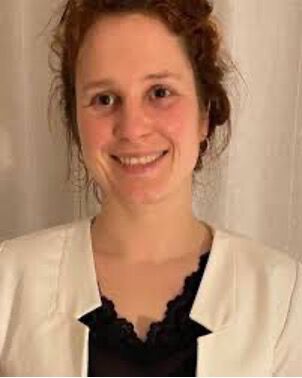
Mariken H. Weisser is a Doctoral Research Fellow at the Department of Education at UiT - The Arctic University of Norway.