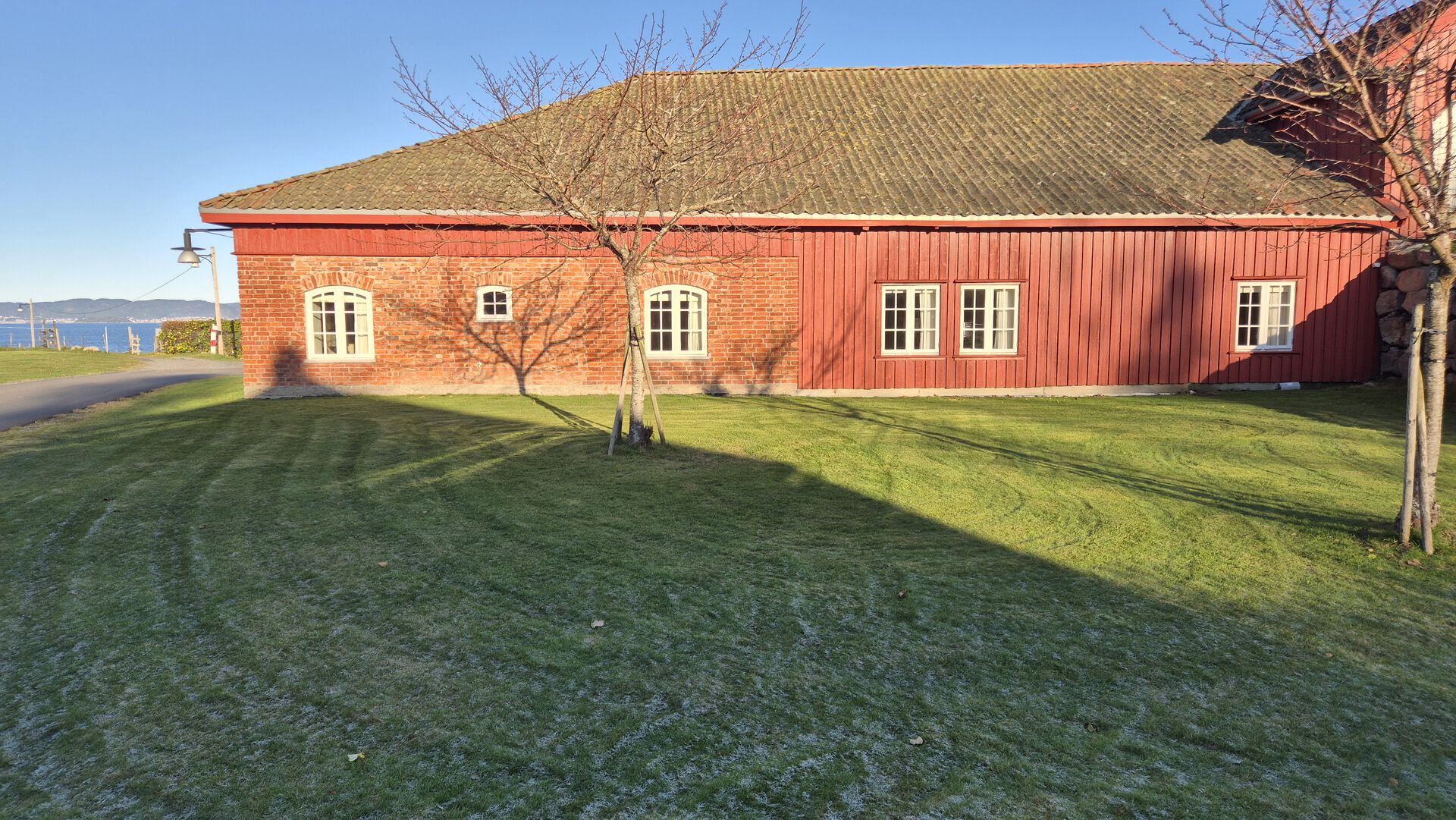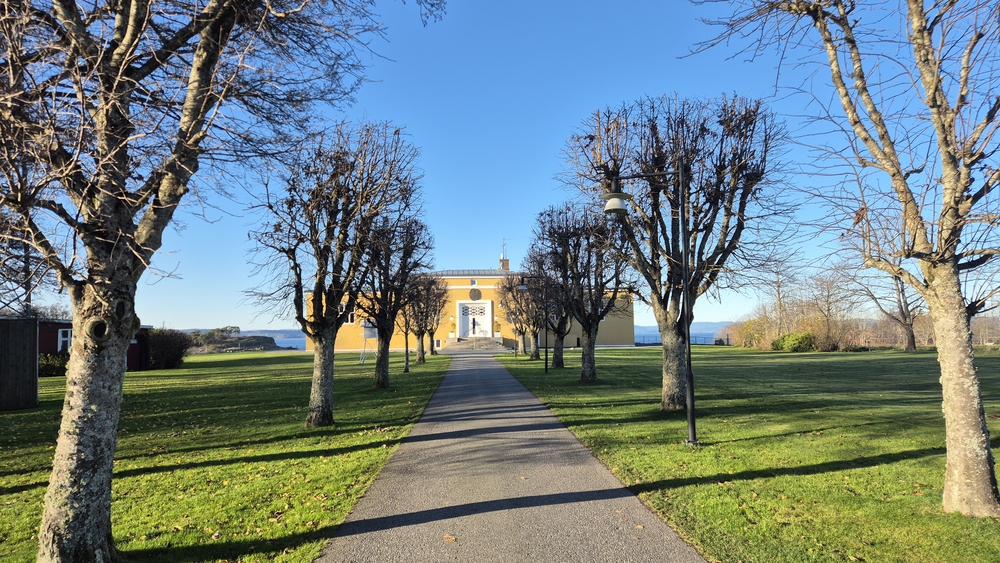
The event was jointly organized by Afterlives of natural history (University of Oslo), Gardening the Globe (University of Bergen), Relics of Nature (University of Oslo) and our project. “Naming Nature” was intended as an exploratory space for developing early ideas and sharing reflections. It featured keynote speeches and panel discussions from early-career scholars as well as researchers and artists at different stages of their careers.
Participants explored key themes of history, ethnography, and materiality when approaching nature from different perspectives. The days were thematically dedicated to various concerns around the theory and methods of working with various aspects of the environment.
In her keynote speech, one of the members of Anthropogenic Soils team Elise Matilde Malik shared her experience of how soils can be represented and enacted within spaces provided by contemporary exhibitions. Her PhD project, based on visiting installations across Northern Europe, asks the question of how do contemporary exhibitions challenge normative assumptions on soil? Using the case of soil exhibition organized in former prison Albertslund outside Copenhagen as a starting point, Elise’s work focuses on the complex and dynamic relationship between humans and this multifaceted object of nature. This in turn contorted to the discussion on how artistic expression can be entangled with the versatile knowledges and meanings soils can incorporate.
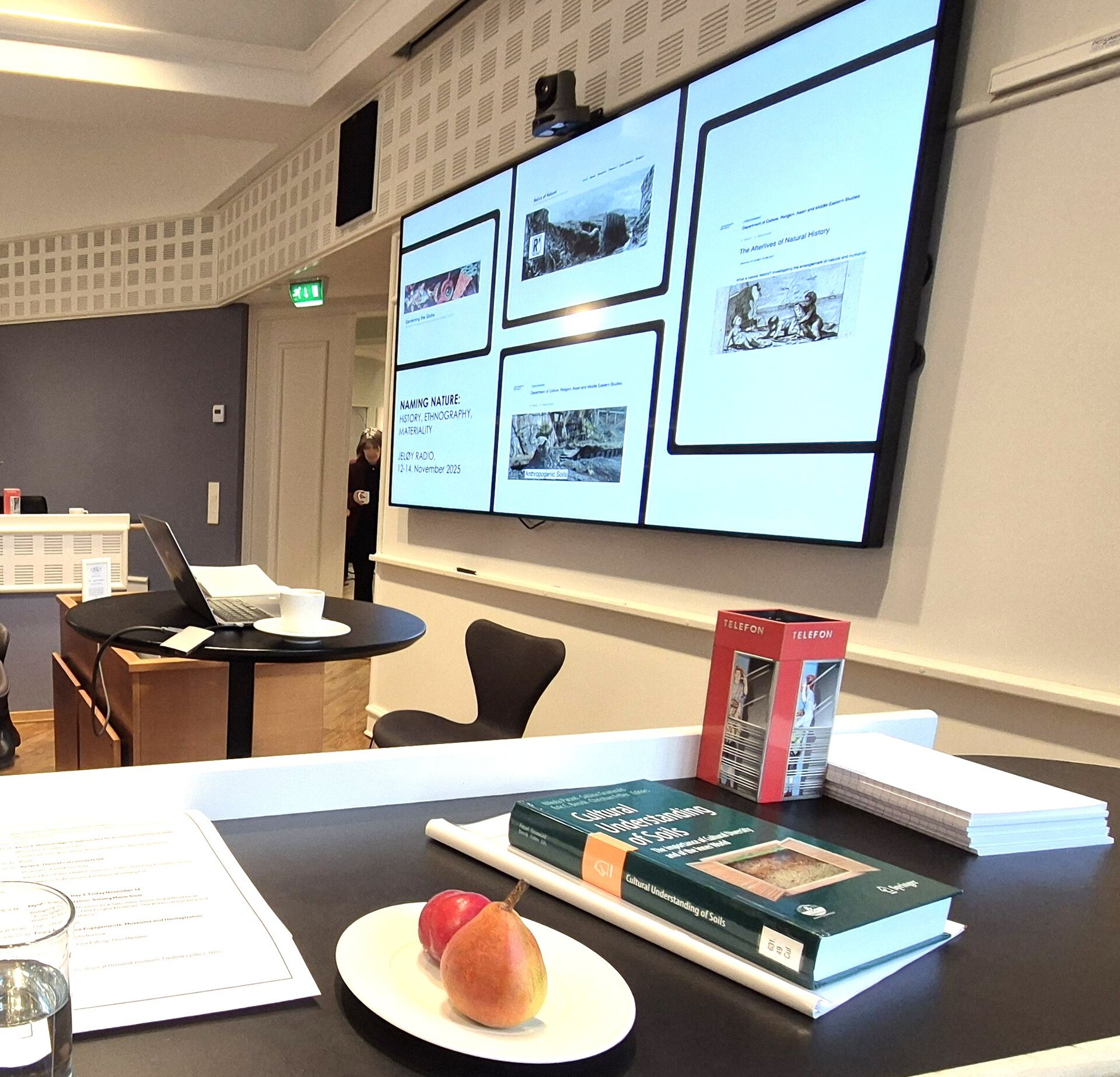
This theme of interdisciplinarity was further explored by a panel on art and creative dialogues in environmental humanities. In her contribution Nora Sørensen Vaage elaborated on her own experience of working on the intersection between science and art and as someone situated in philosophy of science. Leading the Experiential Soils work package, she explores soils as a medium combining approach from media theory and aesthetic disciplines. Nora also shared with the participants how different members of the Anthropogenic Soils project deal with soils from the interdisciplinary perspectives of art, design, environmental humanities, and social science.
The panel on standardization, measuring and worlding of natures explored the question of scale and how to combine both micro level of humanistic studies and the systemic analysis required to understand more large-scale processes of the Anthropocene. This question is particularly relevant to how knowledge on soil is produced in different parts of the world.
The contribution by Tokhir Pallaev attempted to answer this question by raising the importance of place and context in production of science and knowledge. Science often speaks “from nowhere”, so it is important to highlight the social and cultural factors that influence its production. This is particularly essential when working in a post-colonial context where access to science is often characterized by asymmetries in power relations. Changing the temporality of our research also allows us to see how our relationship with nature evolves together with our approaches of studying and understanding it.