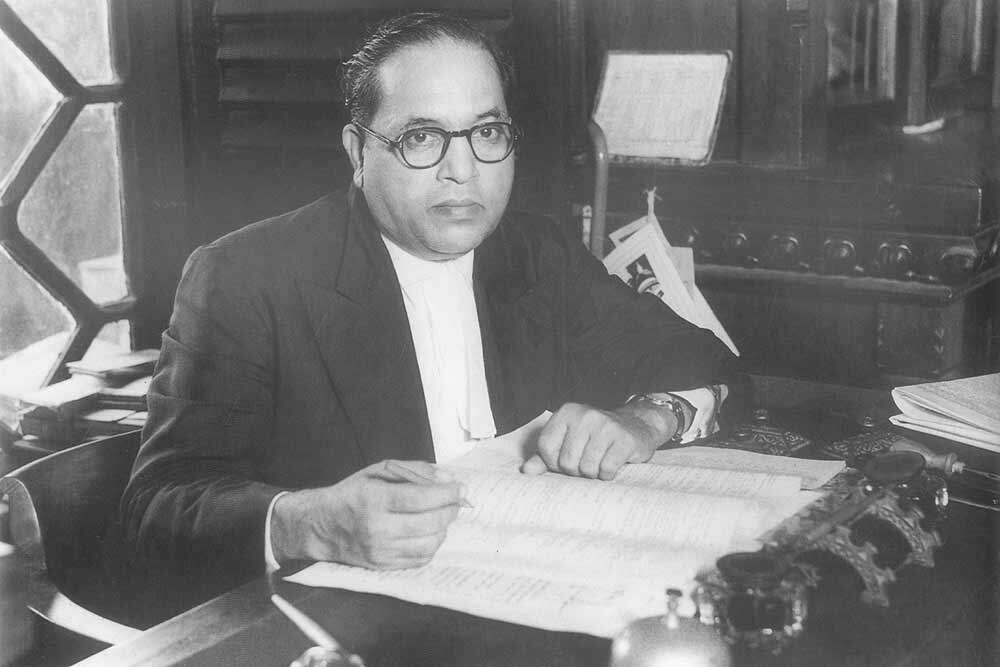
Taking a different approach from the European and Anglo-American scholarship on solidarity and fraternity, this talk focuses on how fraternity has been understood in the Global South, a context where the concept has also been overlooked. Specifically, it examines how B.R. Ambedkar engaged with fraternity as a global idea and how his thinking shaped Indian law and constitutional thought. While Ambedkar was a key architect of the Indian Constitution, he also developed a strand of thought that rooted fraternity in religion rather than law. The talk argues that this move opens up an unexpected and fruitful dialogue between Ambedkar and Derrida, particularly around the tensions within democracy and the relationship between modernity and secularism, more so than the comparisons with Dewey's pragmatism that scholars have previously drawn.
Rowena Robinson is currently a visiting Humboldt Scholar at the Department of Sociology at Bielefeld University, Germany. Rowinson has research interests in structural inequality, ethnic conflict, minority studies, law, and public policy.
The presentation will be in English.