
Afrikaaps, a creole language from South Africa has been dismissed throughout history as a result of colonialism and apartheid. Struggles with identity and recognition are still ongoing because of these legacies. How can we reconsider the linguistic position of this creole language in South Africa? On October 11 Dr. Riaan Oppelt (Stellenbosch University, South Africa) visited MultiLing to talk about the story of Afrikaaps.
News

Could learning a language help make the world more peaceful? Promoting multilingualism and language learning could be a positive force in times when conflict is on the rise.
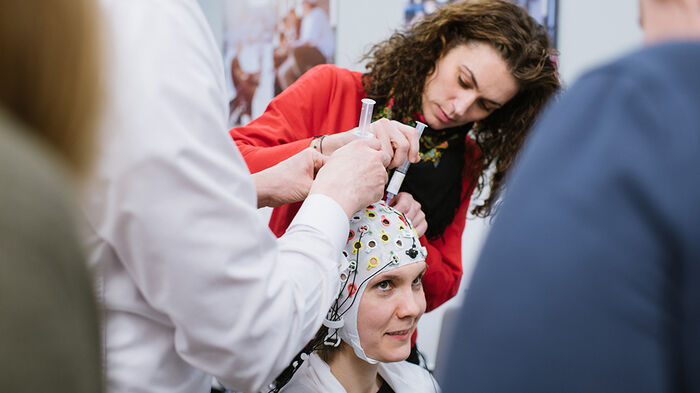
The work of MultiLing – Center for Multilingualism in Society has brought the research frontier forward. Results include a better basis for treatment of language disorders in multilingual persons with aphasia and dementia, and a better understanding of children’s language development.
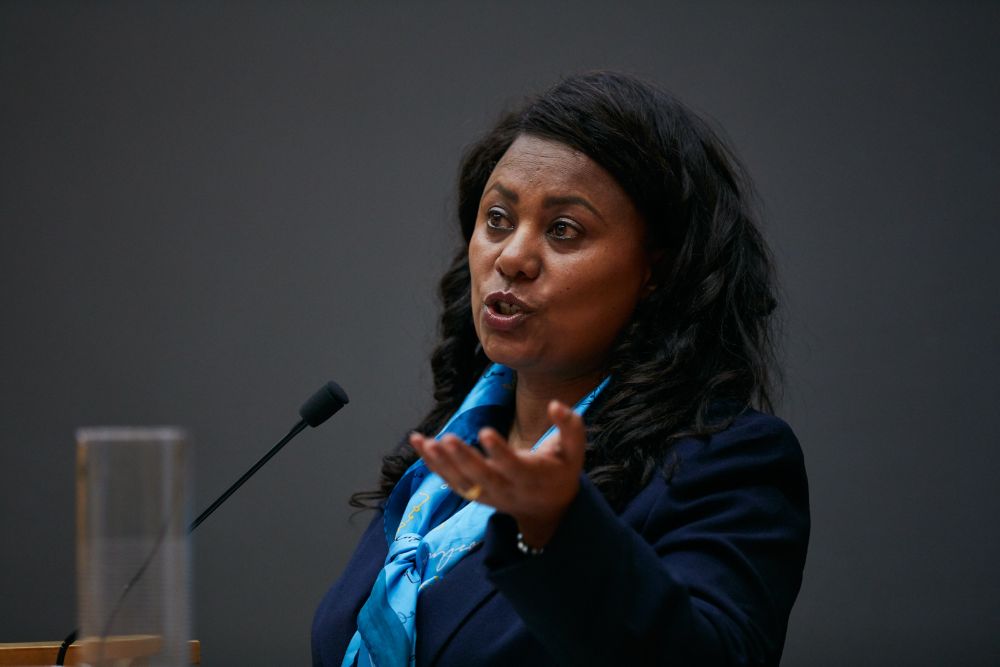
A long term collaborator and friend of MultiLing, Hirut Woldemariam has spent her career breaking glass ceilings and providing a model to empower women in leadership and promote increased gender equality in Ethiopia.
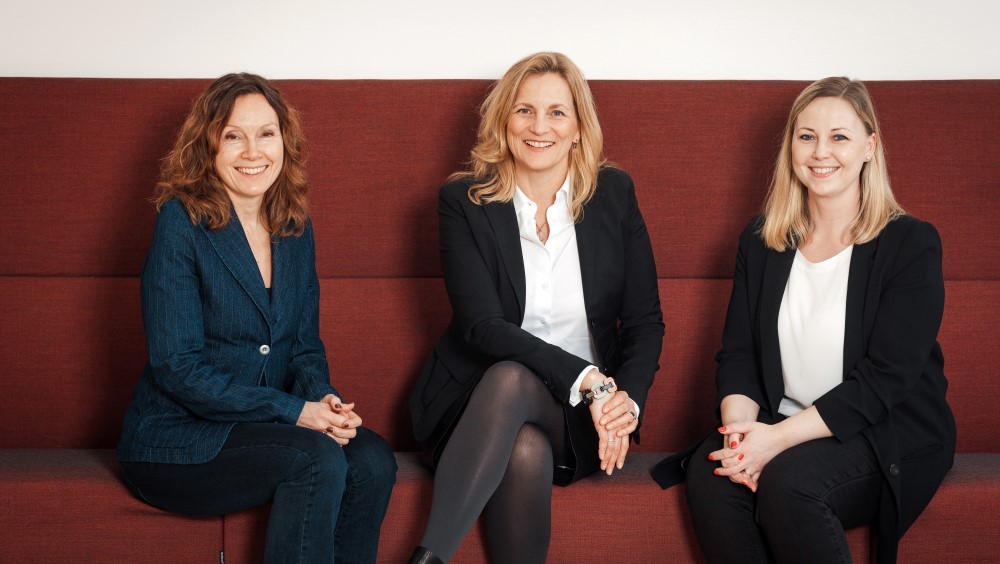
Unn Røyneland and Ingebjørg Tonne share their thoughts on future directions for MultiLing, on the preconditions for excellent research, and on the need to take good care of corona-isolated PhDs and postdoctoral fellows.

Norwegian language skills are part of the Polish construction workers’ expertise. However, migrant workers in Norway still need general language training.

The Covid-19 pandemic has put racial debates in the US on top of the agenda, according to linguistics professor Lourdes Ortega.

Janne Bondi Johannessen, Professor of Linguistics at the University of Oslo, passed away on June 15, 2020, at the age of 59.

A new study suggests that knowing more than one language can help people with dementia to communicate. However, family and healthcare workers have to play their part, according to a Norwegian language professor.
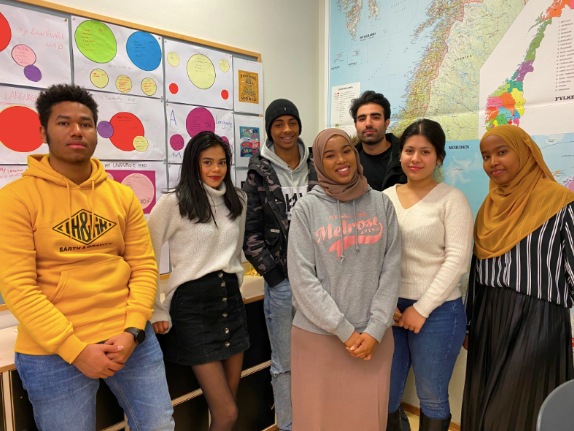
“Our tips are for all teachers in all schools to try to find the strengths multilingual students have because we are a very good resource for the community.[…] There are a lot of things that the teachers can learn from this project. Teachers don't need to treat us like we don't know anything at all, because we already know something.”
Many are under the misconception that the widespread multilingualism in our modern and increasingly globalized world is a fairly new development. This round-table conference, organized by Aneta Pavlenko and Pia Lane, aimed to show that practices of multilingualism have been common and necessary for centuries, even millennia.
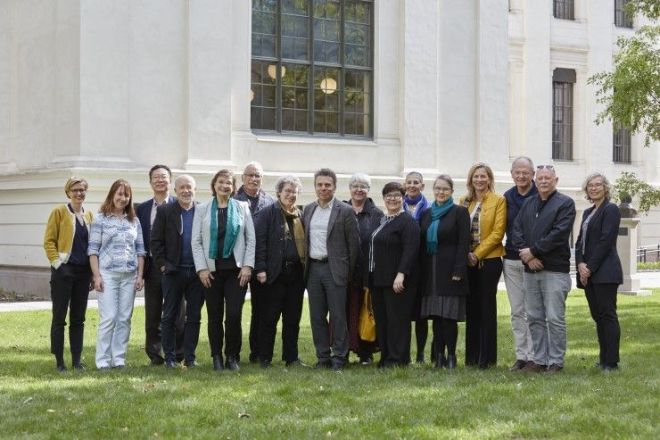
The annual meeting with MultiLing’s Scientific Advisory Board (SAB) was held this week, on May 2-3. Among the themes of the meeting this year were career planning and grant application processes, with a particular focus on applications to the European Research Council (ERC).
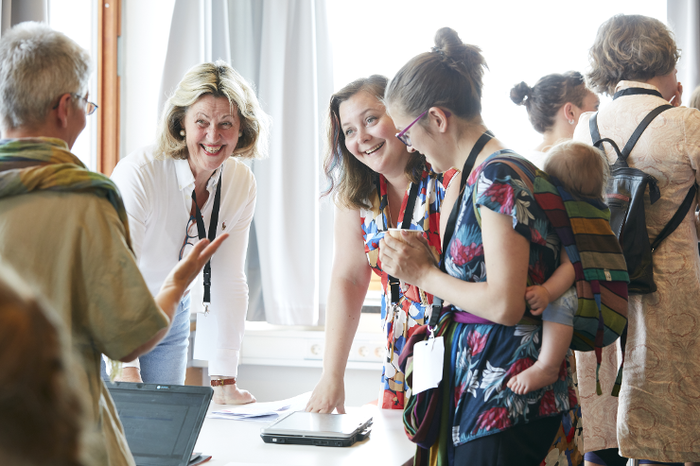
In June, MultiLing hosted a three-day workshop which aimed to reflect on visual prompts and methods in both psycho- and sociolinguistics, organized by Judith Purkarthofer and Pernille Hansen. The workshop was part of Colloquium B in MultiLing’s five-year-plan, “Engaging innovative methodologies in studying multilingualism across the lifespan”.
"Leaders in academia have much to learn from leaders in other fields," says HR Manager at the Faculty of Humanities, Helga Reiss. This fall, MultiLing organized its second Women and Leadership Roundtable at Campus Blindern.
MultiLing's socio-cognitive laboratory was officially opened on March 22. To mark the occasion, the center organized a tour of the facilities and a demonstration of the equipment.

When we arrive in a new country, public signs, ads and billboards are often the first form of contact we have with the language and script of the place. At the start of October, colleagues from Norway, Russia, and the UK gathered in Oslo to share their research on linguistic landscapes, and to develop new collaborations between the countries.
How can you best provide quality education in linguistically and culturally diverse classrooms? This and other hot topics were discussed in depth at "Multilingual and Intercultural Education – Theory and practice from Latin America and Norway" at the end of September. The seminar aimed to strengthen connections among Norwegian and Latin American scholars of multilingual and intercultural education.
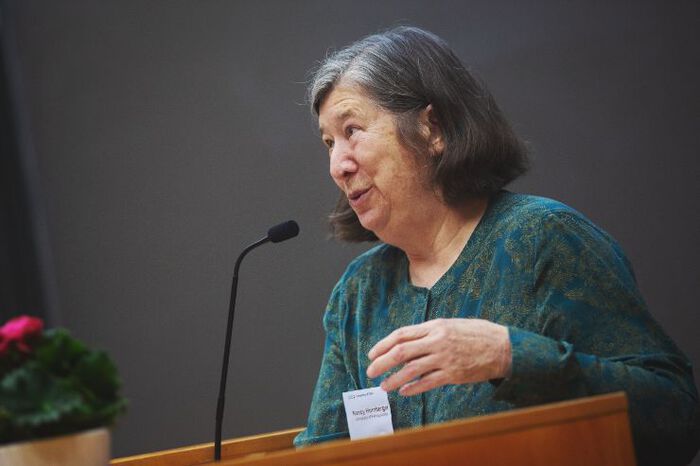
Multilingualism as a resource in education was the topic of discussion as researchers and educationists from 14 different countries gathered for the Multilingualism and Education conference at UiO last week.
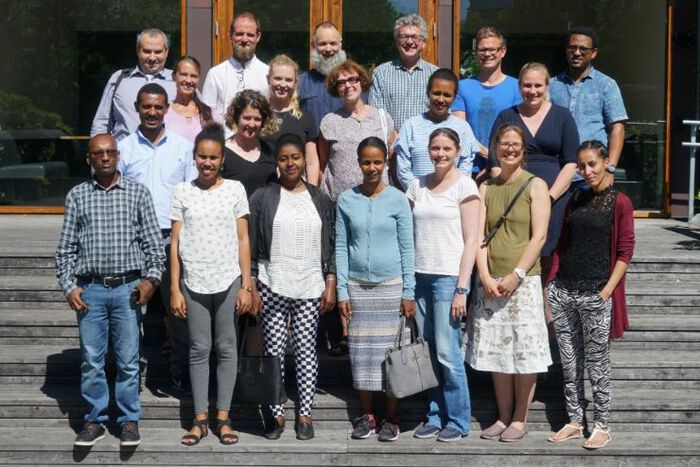
This week, MultiLing in partnership with NTNU hosted a two-day seminar on signed language linguistics and interpreting research.

Research Professor II at MultiLing, Aneta Pavlenko, visited the Center for a week in June. Pavlenko has been with MultiLing from the start as Member of the Scientific Advisory Board and joined the Center as Research Professor in 2017.
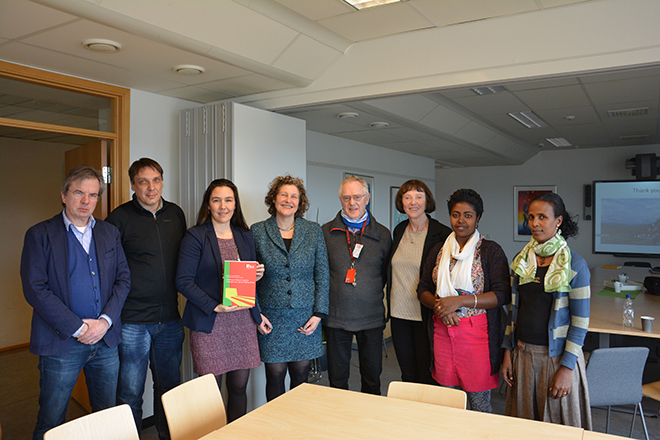
On Friday 24 March, the launch of the new book Multilingual Ethiopia: Linguistic Challenges and Capacity Building was celebrated with cake, speeches and guests from near and far.

During the first week of March, researchers from MultiLing, University of Oslo and Université de Rouen Normandie gathered at a workshop at MultiLing. This workshop did officially kick off the project Language Contact and Language Change across Three Generations in Turkish Families in Norway and France.

This week, MultiLing marked the start of our project Studies of Multilingual Aphasia with a kick-off seminar with guests from home and abroad.

Recently, the 11th International Symposium on Bilingualism (ISB) took place in Limerick, Ireland. A number of MultiLingers and MultiLing's collaborators attended the conference for four days packed with the latest research in multilingualism.
What does it mean to bridge the gap between psycholinguistic and sociolinguistic approaches to multilingualism? Scholars who have been successful in doing interdisciplinary work were invited to the workshop Bridging gaps: Conceptual and epistemological approaches which was held at MultiLing last week.