This seminar examines the role of education in the maintenance and revitalization of minority languages in Poland through a comparative analysis of two linguistic communities: the Lemko ethnic minority and the Kashubian regional language community. Drawing on recent fieldwork conducted in 2026, including interviews with teachers, parents, activists, and policymakers, the presentation explores to what extent educational institutions contribute to language transmission, identity formation and community resilience.
The first case study focuses on the Lemko community, whose language and culture were severely disrupted by post-war deportations and displacement. The presentation demonstrates how historical trauma, demographic fragmentation, teacher shortages, limited teaching materials and earlier weak institutional support continue to challenge the vitality of Lemko language education.
The second case study examines Kashubian, the only regional language officially recognized in Poland. Unlike Lemko, Kashubian has achieved considerable success in establishing a strong presence within the education system, with tens of thousands of pupils learning the language in schools. The presentation discusses the development of Kashubian-language education since the early 1990s, the motivations of parents and teachers, successful educational practices, and the institutional mechanisms that have supported language revitalization. Nevertheless, challenges remain, particularly declining intergenerational transmission and concerns over the effective use of public funding.
By comparing these two communities, the seminar highlights both the opportunities and limitations of education as a tool for minority language maintenance. It argues that while formal schooling can significantly strengthen linguistic identity and increase language visibility, sustainable revitalization depends on community engagement, family language transmission, and long-term institutional support.
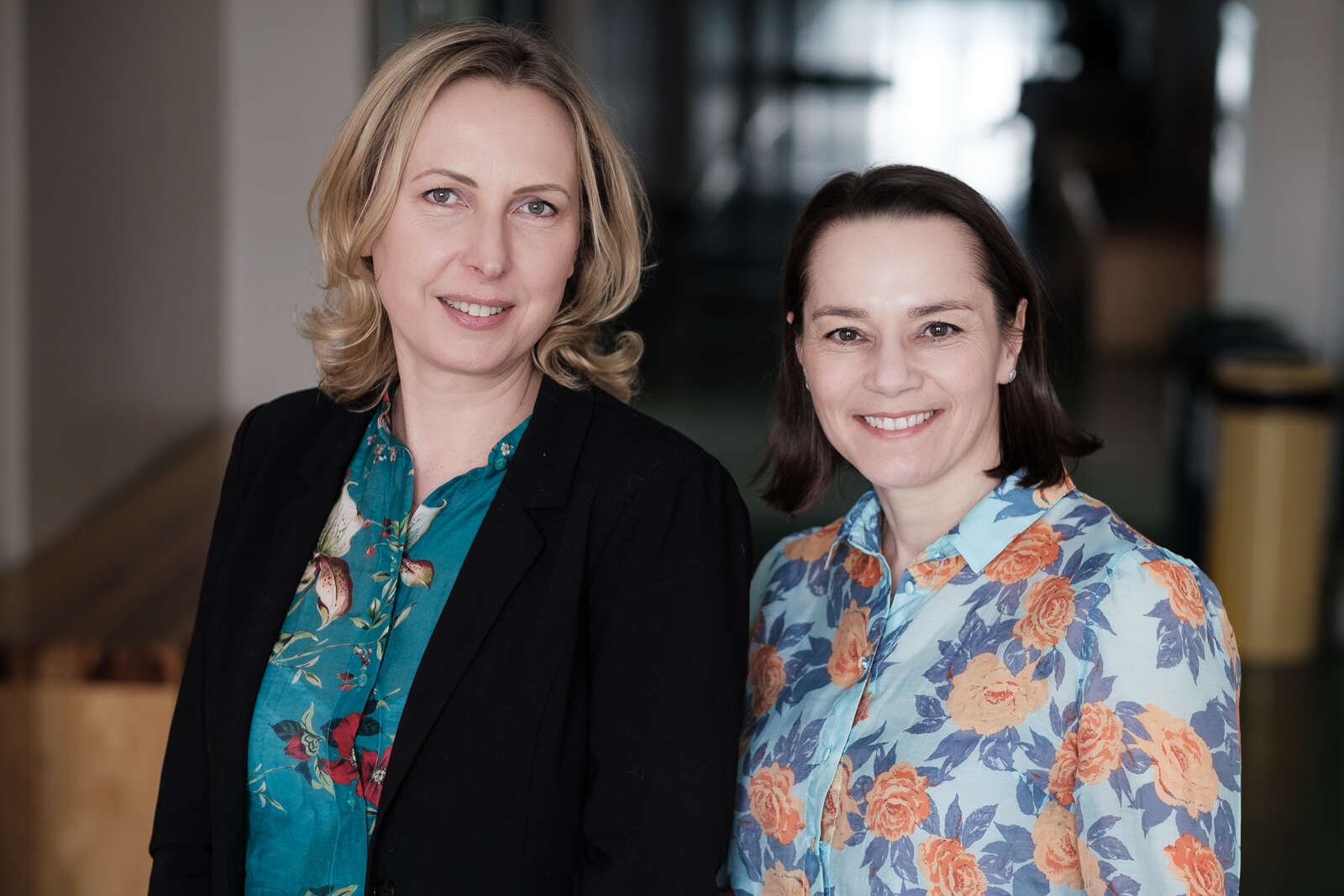
Speakers:
Emilia Wąsikiewicz-Firlej (MA in English, PhD in Applied Linguistics, DLitt in Linguistics) is an Associate Professor at the Faculty of Modern Languages and Literatures at Adam Mickiewicz University in Poznań, Poland. Her research interests include ecolinguistics, sociolinguistics, multilingualism and language policy.
From 2020 to 2023, she was involved in the international project MaMLiSE – Majority and Minority Languages in School Environment https://mamlise.web.amu.edu.pl/, funded by the Erasmus+ Strategic Partnership Programme in the school education sector. The project focused on developing training materials for teachers educating children with migration experience and providing guidelines for parents to help shape family language policy with respect for the entire linguistic repertoire of the family. Currently (2025-2028), she is engaged in the Horizon Europe project FOSTERLANG (Fostering Linguistic Capital: Strategies for Reversing the Diversity Crisis and Activating Societal Benefits in Europe), where her research focuses on language and educational policies.
Anna Szczepaniak-Kozak is an Associate Professor at the Institute of Applied Linguistics, Adam Mickiewicz University in Poznań, Poland, where she currently serves as vice-director. Her research interests include multilingualism and diversity in education, discourse analysis, particularly the study of offensive language, hate speech, and the linguistic aspects of radicalisation.
Recently, she coordinated two research projects: MaMLiSE (Majority and Minority Languages in School Environment), which focused on developing training materials for teachers working with children with migration experience and on providing guidance for parents in shaping family language policies (https://mamlise.web.amu.edu.pl/), and ODOU (Online Discourse on Ukrainians in the UK and Poland: A Comparative Study) (https://odou.hw.ac.uk/).
Currently (2025-2028), she is involved in the Horizon Europe project FOSTERLANG (Fostering Linguistic Capital: Strategies for Reversing the Diversity Crisis and Activating Societal Benefits in Europe), where her research focuses on language and educational policies (https://fosterlang.al.uw.edu.pl/pl/).