
In considering modern history of Okinawa, the collective trauma from the battles at the end of the Pacific War (1945) is an unavoidable issue. It is known that many Okinawans, including children and women, were forced to commit mass suicide under the motto “Choose death rather than captivity.” As many as one-fourth of the population in Okinawa are presumed to have perished in the final months of the war.
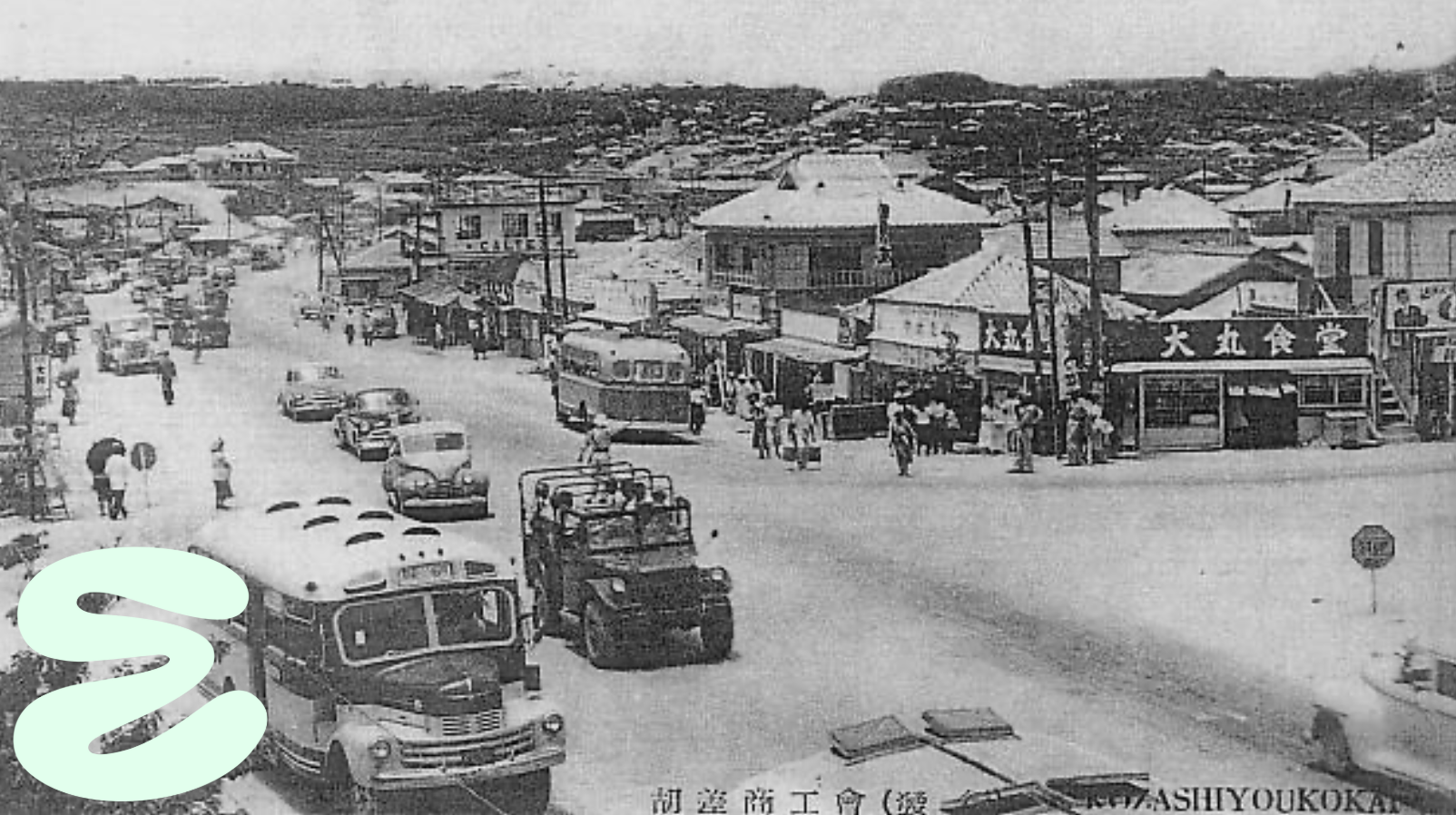
After the war, the U.S. military occupied all of Japan, and when Japan became independent in 1952, Okinawa was separated from the rest of the country and remained under U.S. military rule until 1972, when it was returned to Japan. During that time, the number of U.S. military bases in Okinawa increased, and 70% of all U.S. military bases in Japan were concentrated in Okinawa, where they remain to this day. Incidents and accidents caused by the U.S. military personnel have become a recurring problem. In particular, the assaults on women by U.S. soldiers (in 1995, 2016, and 2019) have caused great shock and anxiety among the residents, triggering massive protest movements.
The Futenma Air Station, located in the middle of a densely populated area, is particularly problematic and plans to build a new base for its relocation by reclaiming the sea area around Henoko and Oura Bay have been stalled by the fierce opposition of the Okinawan people. The opposition to the project has an environmental component, as the waters around Oura Bay, home to coral reefs, are extremely biodiverse. The region is one of several popular destinations for ecotourism in Okinawa, which is becoming increasingly popular.
This project will examine how Okinawan literature (Among the authors to be considered are Medoruma Shun (1960-), Sakiyama Tami (1954-) and Toyonaga Kôhei (2003)) has responded to broad environmental shifts since the mid-20th century, focusing on changes in people's feelings and agendas. The environment here is broadly defined as an Okinawan “environment” that is subtly intertwined with ecological concerns and hopes for its potential, in addition to issues of war responsibility, the ways in which the trauma of various victims is conveyed and remembered, as well as geopolitical concerns between the U.S. and Japan.