
– Disinformation and fake news are considered by the EU, NATO, and the UN as one of the biggest threats to democracy in our time, especially in light of the rapid development of generative AI, says Silje Susanne Alvestad.
She has already been studying for several years whether, and how, linguistic features can help us detect fake news in the project «Fakespeak - The language of fake news».
Now she will receive funding from the Research Council of Norway for a new project: «Towards detecting AI-generated disinformation: Fakespeak in the age of large language models».
The project includes multiple researchers from the Department of Literature, Area Studies and European Languages and Department of Media and Communication at UiO.
– I am immensely proud to congratulate Silje Susanne Alvestad on this grant from the Research Council. It is yet another confirmation that a humanities research approach is highly relevant in addressing the greatest challenges of our time. In this case, the intersection between humans and machines, says Pro-Dean Mathilde Skoie.
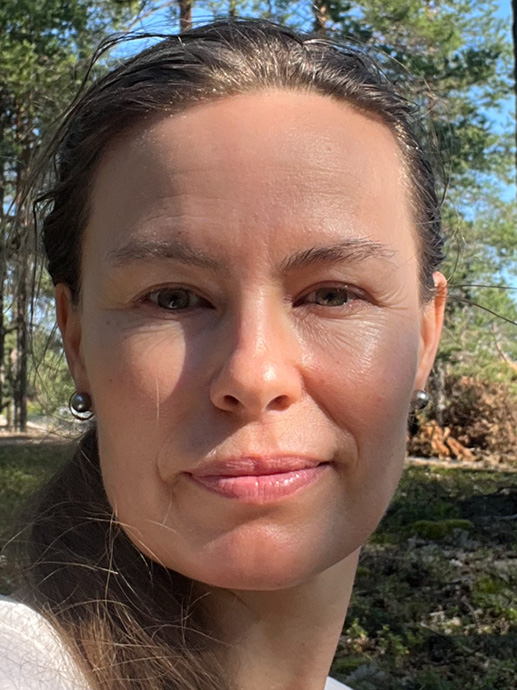
Enables the ability to warn about suspicious textual content
Alvestad states that the primary objective of the project is twofold:
– Firstly, we aim to prepare our stakeholders, meaning people working in sectors such as justice and media, for the next-generation disinformation and influence operations. Secondly, we wish to contribute to the development of tools that can alert them about suspicious AI-generated textual content," she says.
Together, language and media researchers will examine the linguistic and discursive features of AI-generated disinformation narratives, compared to similar narratives written by humans. They will also collaborate with computer scientists at SINTEF towards the development of tools for warning.
– The grant means a great deal for our work going forward. The funds provide us with the opportunity to hire new researchers, continue some existing collaborations, initiate some new ones, and jointly undertake even greater challenges than we have done so far. I also look forward to involving our stakeholders in the project for mutual benefit, says Alvestad.
Read more about Alvestad's research here:
Linguistic cues could be key to exposing fake news