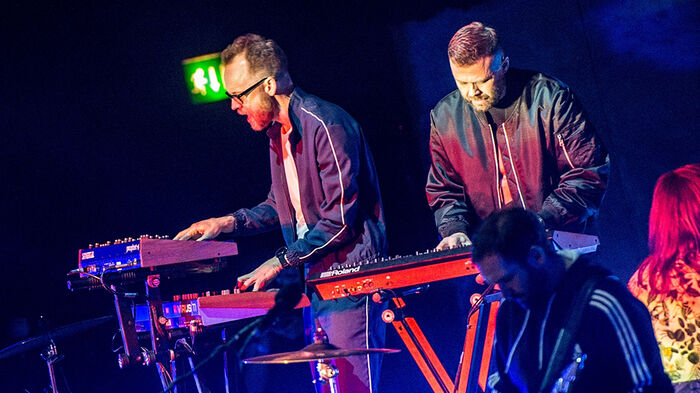
The audience holds their breath in unison, and when the music turns emotional, everyone sits perfectly still together. These are the initial findings from the world's largest music experiment.
Research news - Page 2
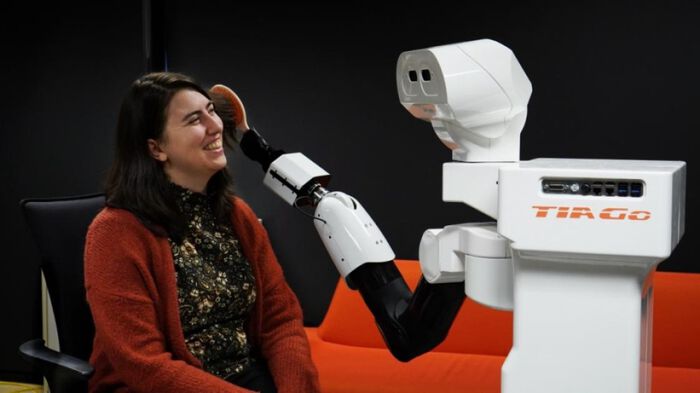
Researcher Marieke van Otterdijk works to give robots intuition. – If we succeed, she says there are many ethical questions to consider.
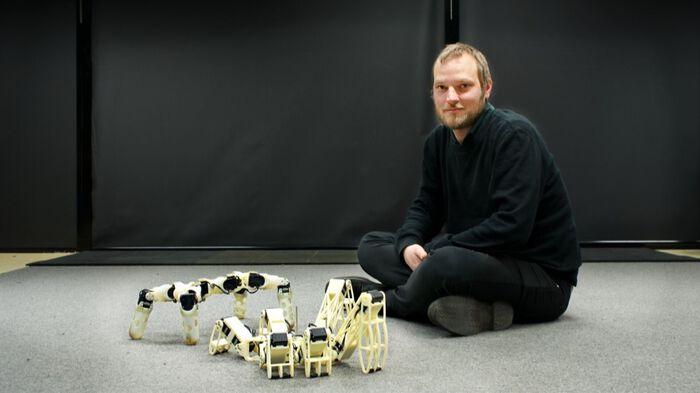
The robot ZRob can create new rhythms and play the drums faster than humans can play. Professor Alexander Refsum Jensenius believes that the research behind it could be a significant addition to the field of robotics.
By creating music, people in prison can gain a fresh perspective on themselves. It can repair some of the damage inflicted by a prison sentence, according to a music researcher at the University of Oslo.
“Today, the creative aspect of a music project also involves Instagram and TikTok,” says music researcher at the University of Oslo.
One of the biggest hits on Spotify ever came about after a thorough analysis of the rhythm of other tracks in the same genre. The producers were looking for a groove that makes people want to dance.
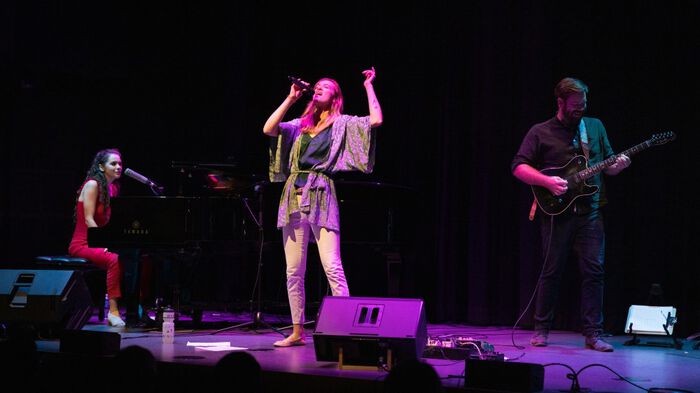
Musicologist Dana Swarbrick wondered whether concerts could bind people together. Her research suggests that the answer is yes.
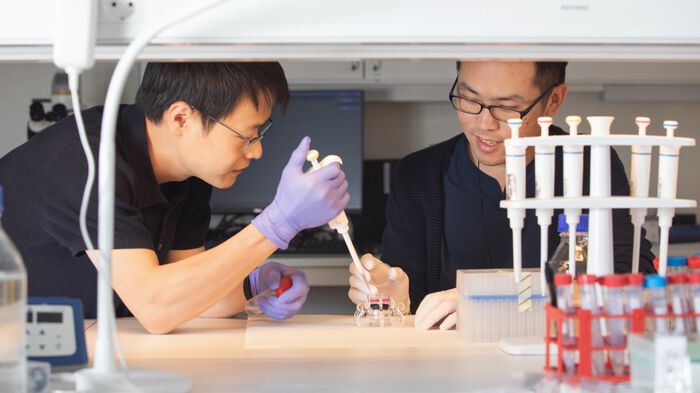
Could music affect cells? According to a recent life science project, it could be possible. The results may be a first step to using music to treat diabetes.
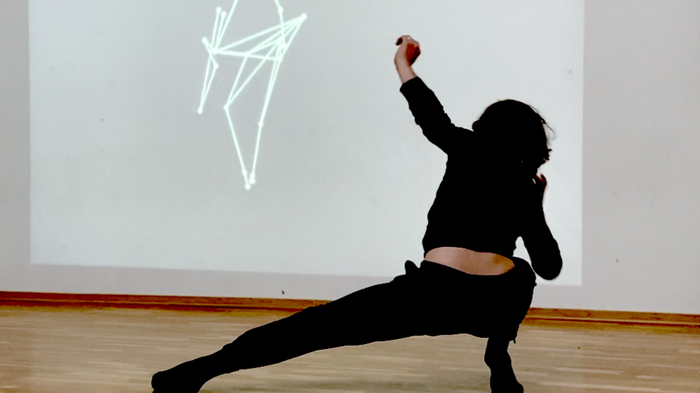
Researcher Benedikte Wallace set out to teach a computer how to dance. She ended up gaining new insight into how artificial intelligence (AI) can be used in creative practice.
Are elite athletes like zombies who can perform on autopilot? Not according to new research.
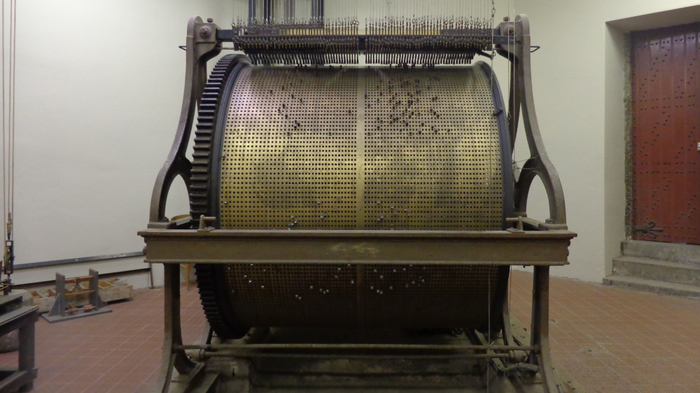
In the past, it was a challenge to make machines play music on the grid. Today, the challenge is the opposite.
Medieval religious music is often perceived as being simple, and not particularly flashy or lavish. It often had a function that goes beyond simply being pleasant to listen to, says University of Oslo researcher.
Music can be used to get people to move to the beat, but can you apply the same trick to robots?
Is it important to us that robots use body language when communicating?
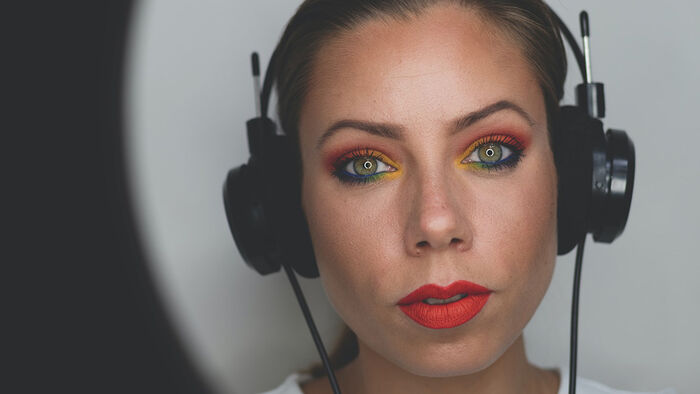
With just one look at your eyes, experts can tell what kind of music you want to move to. The urge to dance becomes greater if you first allow yourself to stomp your feet to the beat.
Your brain is always looking for patterns – even when there are none.
A limit in our attention means that we don’t detect every single sound. However, new research suggests that we almost always pay attention to the human voice.
Records made from sugar and climate certificates are just some of the music industry’s efforts to improve on sustainability. “They mean well, but have limited opportunities to create change,” says music researcher at UiO.
A black dot in the midst of the eye can tell researchers whether you are lying or not – and about plenty of other mental processes.
In the future, a new kind of composer may contribute to new kinds of music.
Qichao Lan wanted to make music live coding accessible to anyone. As part of his PhD, he made a music language and an app easily accessible in a web browser.
Rap music is more popular than ever. As a rapper and a scientist, Kjell Andreas Oddekalv looked into the magic of it.
In Norwegian prisons, a cultural project that few know about is afoot. Music can become a lifeline when people enter back into society, according to musicologist.
The MIRAGE project at RITMO funds up to three scholarships for students whose projects fall within the focal areas of the project.
On October 26, 2021, a very special “research concert” with the Danish String Quartet took place. The concert went on to win DR’s award “Happening of the Year”.