Linnea Høie Fredheim is an MA student in art history at the University of Bergen. During her stay at the Norwegian Institute in Rome, she is working on a thesis on the depiction of Euripides’ Medea in Roman painting.
Whenever I told people I was going to write my master’s thesis in Rome, the phrase “all roads lead to Rome” had a way of turning up in the conversation. After an earlier stay at the Norwegian Institute in Rome, I had fallen head over heels for the city, and I often found myself thinking about those roads, hoping that one of them would bring me back one day. And here I am at last, in the Eternal City. If there is one place that makes me want to write about ancient Rome, it is … well, Rome.
But where a road leads depends on which end of it you are standing at. From here, the roads seem to lead out of the city. And if you follow them the other way, what might you find?
Siena
The last time I was in Rome I read Hisham Matar’s A Month in Siena, in which he describes how, grieving his father’s disappearance, he found consolation in the art of the Sienese school. The book is an account of the journey he finally made to Siena, decades later, and of his reflections there on the city, on the paintings and on grief.
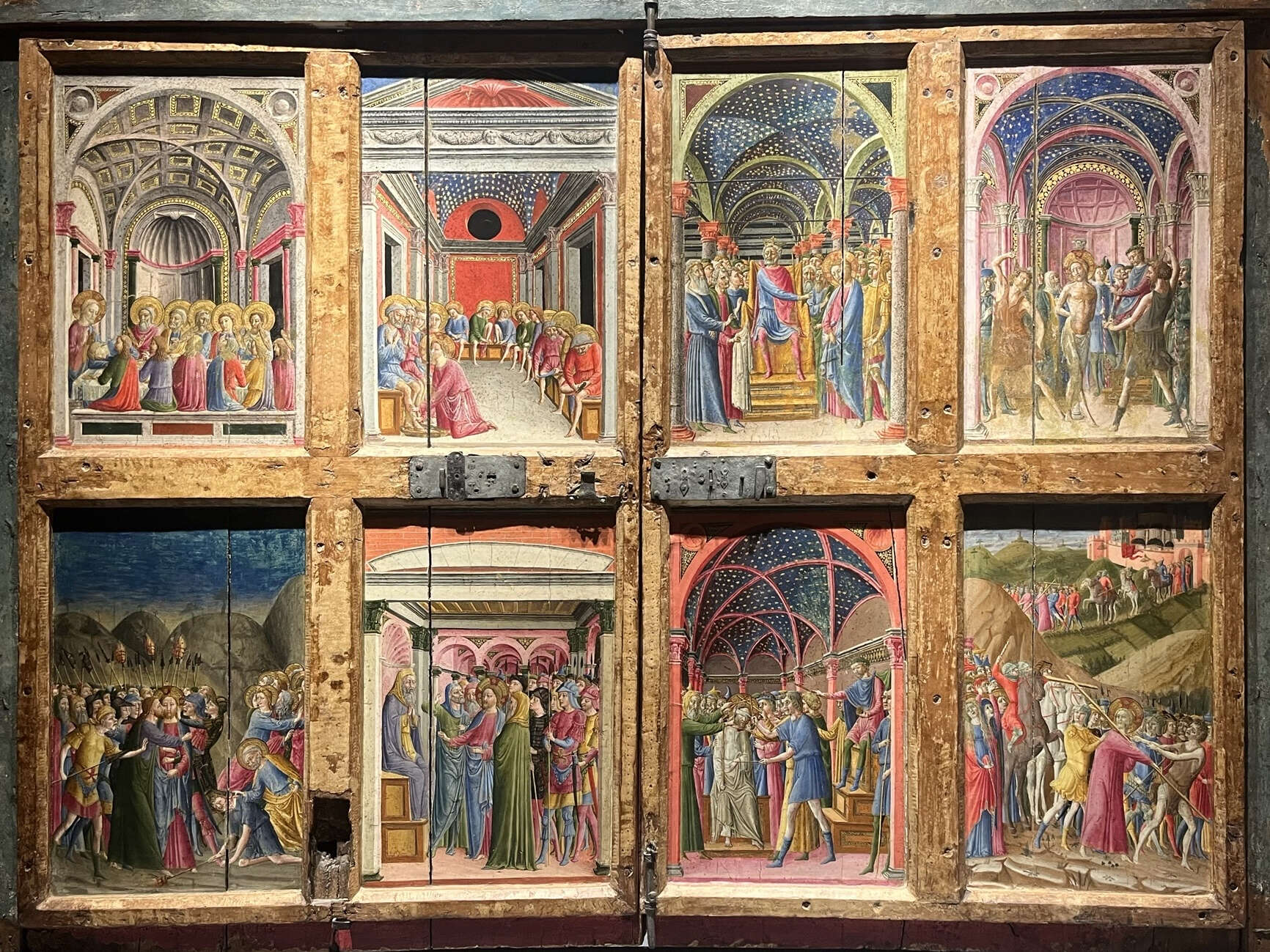
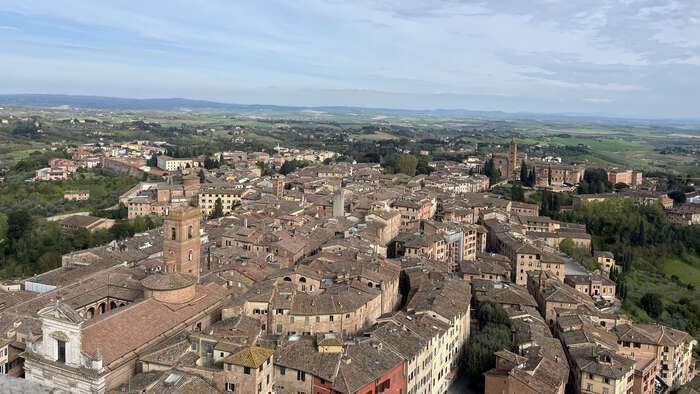
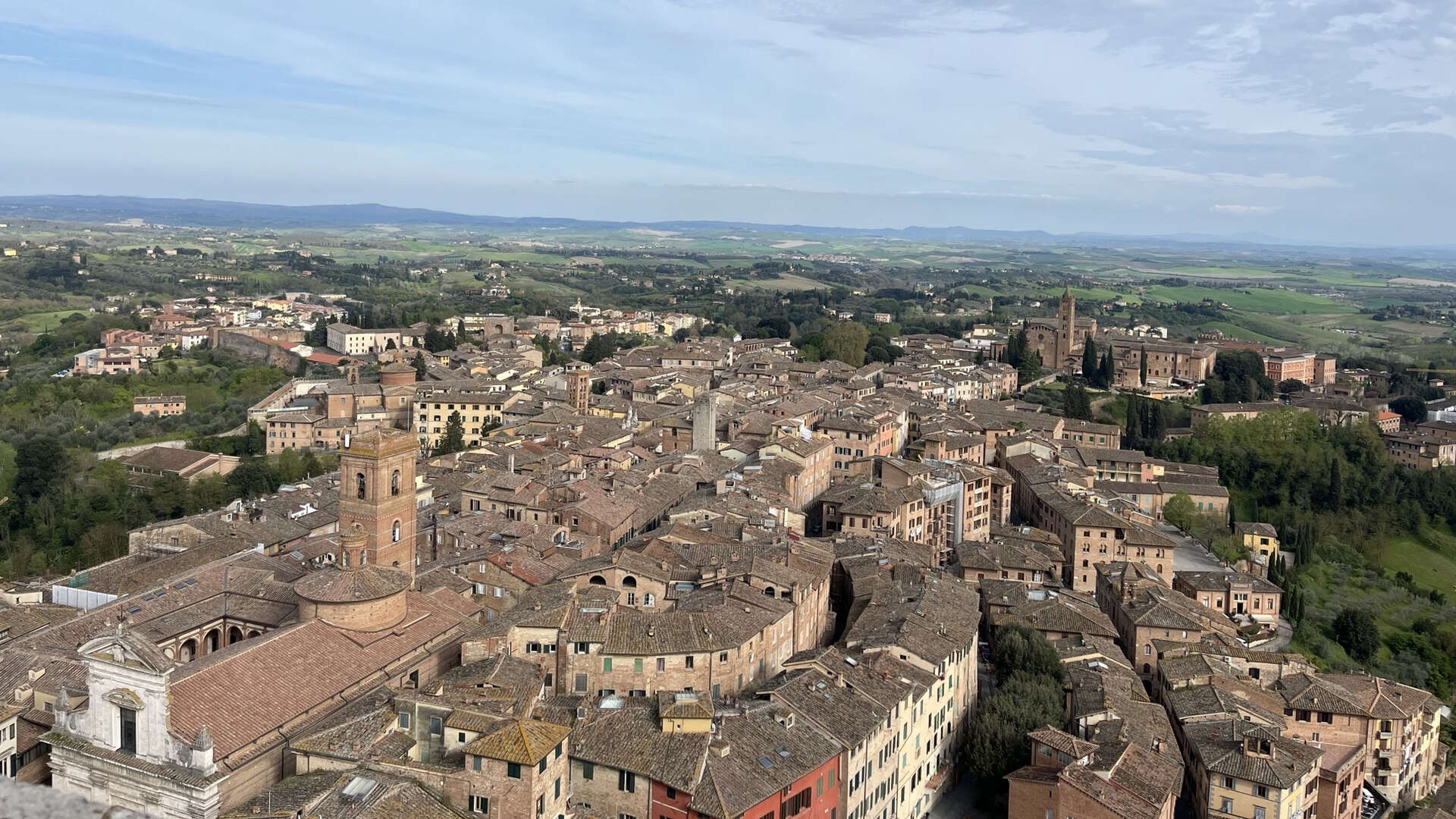
His description made me curious enough to get on a bus. Walking around, I kept recognising things and places I had read about. There was something exhilarating about experiencing a city I had only ever visited through someone else’s account.
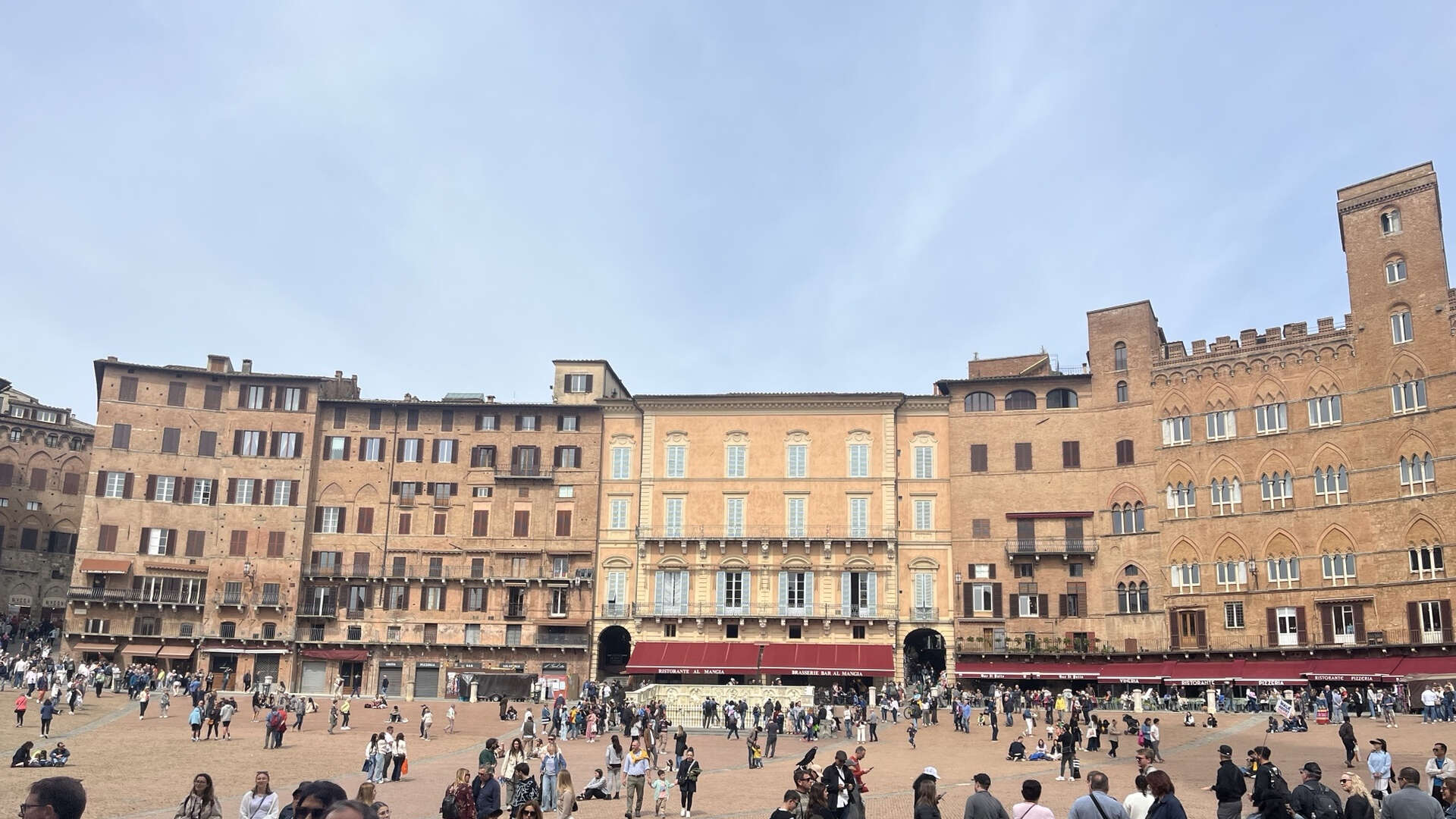
Siena is a city with a rich history and a great deal to see: fine museums, medieval art, a Gothic cathedral, wonderful views, and not least the life bubbling away in the streets. Here is a passage from the book about the main square, Il Campo — perhaps it will make you want to go too:
“And so, although we had entered a recess, a sort of giant pit, Il Campo also appeared, like a lit-up stage, to be suspended. To cross it is to take part in a centuries-old choreography, one meant to remind all solitary beings that it was neither good nor possible to exist entirely alone.”
Campania
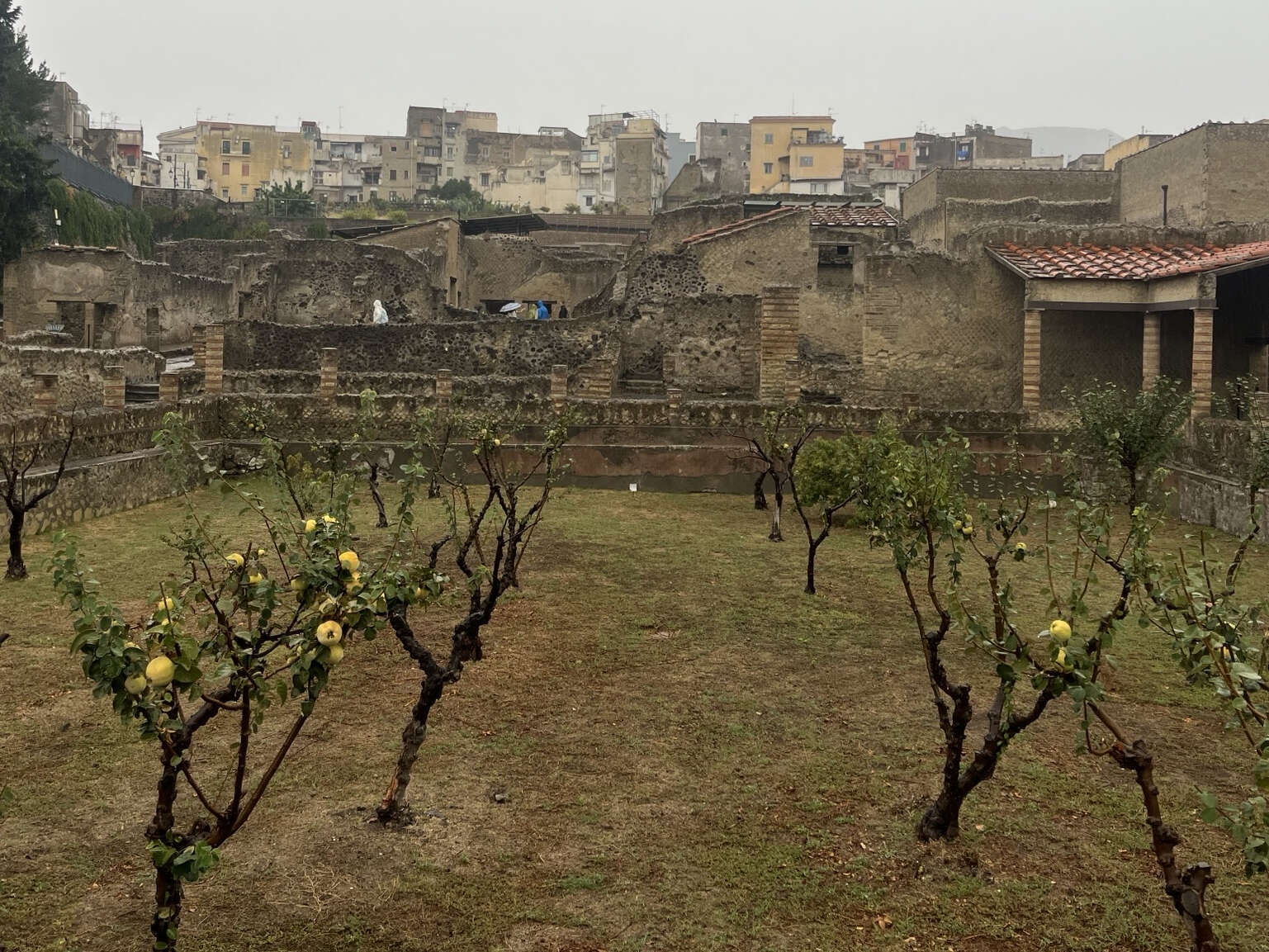
For my master’s project, I recently followed the road down to the Bay of Naples, to visit Pompeii, Herculaneum and the archaeological museum in Naples. The journey was over in no time: the train runs at 240 km/h. Going to the archaeological parks feels like stepping out of your own world and into another. As I walked through the ruins, my imagination ran away with me, reconstructing how it all once looked.
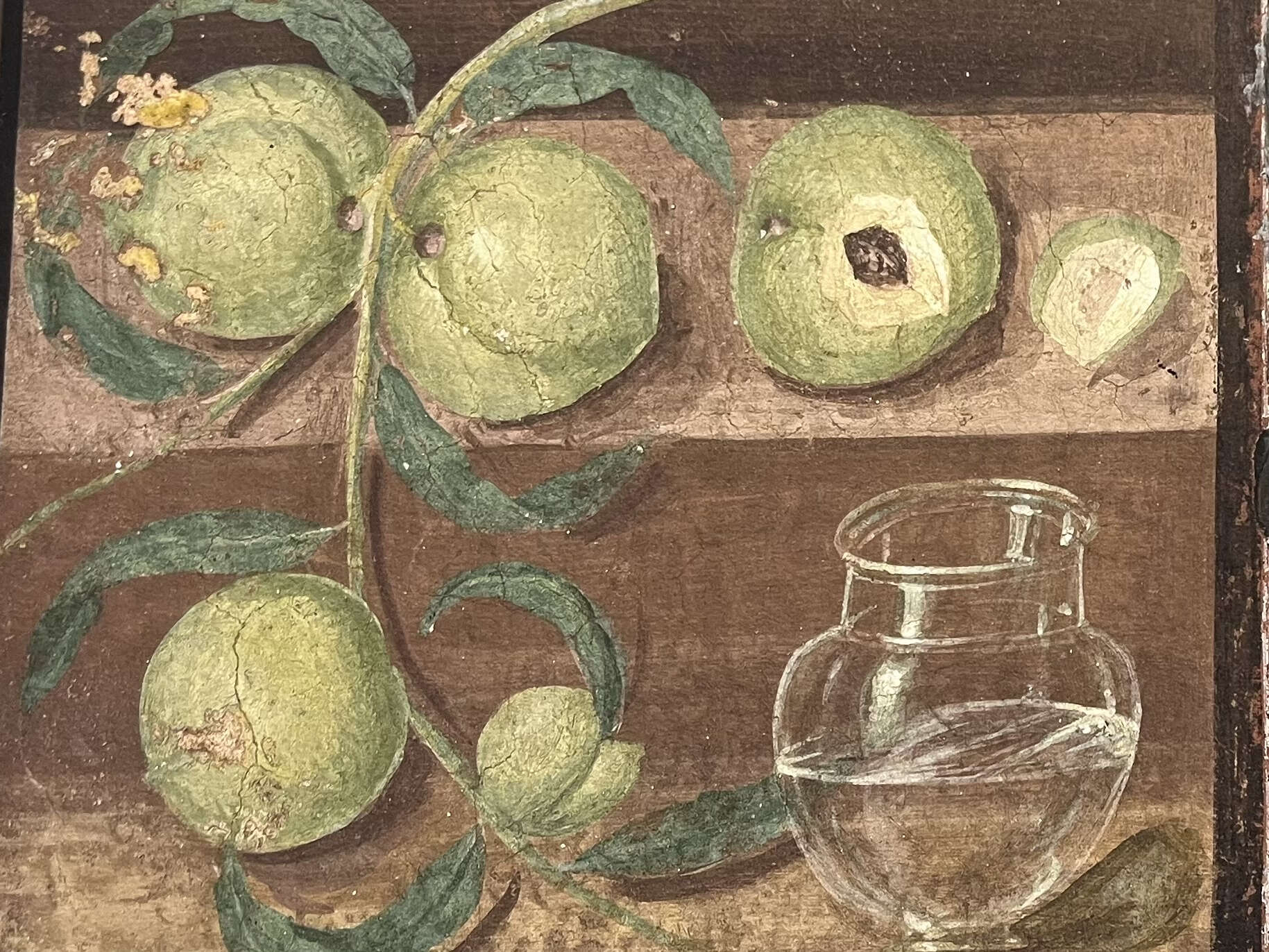
Upstairs in the museum in Naples hangs a selection of ancient frescoes preserved by the eruption of Vesuvius in 79 CE. The paintings whisper about life in the domus of the imperial age: food and drink, custom, morality, politics, myth, drama and aesthetics.
For the patronus, the architecture and decoration of the house were a way of expressing taste, wealth and power. The paintings were not only a window onto another world for the Romans, where the painter opened up the wall and let it expand inwards — into narrative scenes or beautiful landscapes — they are also windows for us, onto them.
Rome’s many roads, in other words, are worth following against the current. And once you have taken in enough from outside, you can let them lead you back again. I had the joy of a reunion with Rome, which welcomed me back with open arms and good weather. The only question now is which road to follow next time!