
Published
Jan. 28, 2025 3:20 PM
Even though digitalisation is in full swing, most Norwegians are now ambivalent about life online, according to media researchers at the University of Oslo.
Even though digitalisation is in full swing, most Norwegians are now ambivalent about life online, according to media researchers at the University of Oslo.
The audience holds their breath in unison, and when the music turns emotional, everyone sits perfectly still together. These are the initial findings from the world's largest music experiment.
The audience holds their breath in unison, and when the music turns emotional, everyone sits perfectly still together. These are the initial findings from the world's largest music experiment.
It is the foremost symbol of the American West. But the cowboy hat also tells a much more complex story about the USA.
“Brain rot” and scrolling until their eyes get sore. Is TikTok ruining today's youth? Not at all, says Emilie Owens, researcher at the University of Oslo.
Researcher Marieke van Otterdijk works to give robots intuition. – If we succeed, she says there are many ethical questions to consider.
There is little evidence to suggest that so-called animistic religion can help us in in the face of ecological crisis and climate change, says religious studies scholar Aike Rots.
The robot ZRob can create new rhythms and play the drums faster than humans can play. Professor Alexander Refsum Jensenius believes that the research behind it could be a significant addition to the field of robotics.
The Middle Ages were not all about tyrannical rulers and power struggles. Cooperation, compromise, and women in power were also common, according to a historian at the University of Oslo.
Authorities should look to creative visions of the future when making contingency plans. At the University of Oslo, researchers have developed methods to explore people's thoughts about an uncertain future.
By creating music, people in prison can gain a fresh perspective on themselves. It can repair some of the damage inflicted by a prison sentence, according to a music researcher at the University of Oslo.
The novel Uncle Tom's Cabin has been published in Norway 60 times. Researchers at the University of Oslo believe that the many editions and theatrical adaptations highlight how Norway has trailed behind in the racism debate.
While Facebook appeals to the seducer in us, Instagram fuels the anxious narcissist, according to new research which links psychoanalysis and digital platforms.
“Today, the creative aspect of a music project also involves Instagram and TikTok,” says music researcher at the University of Oslo.
The prominent authors Proust, Kafka, and Woolf all wrote about portraits in the early 1900s. The new images generated both frustration and passion, argues Professor Marit Grøtta in a new book.
They oppose international conventions for gender equality and distance themselves from Western feminism. The conservative network aims to promote women's interests on its own terms.
Norwegian language skills are part of the Polish construction workers’ expertise. However, migrant workers in Norway still need general language training.
In a time of high tension between Russia and the West, we still benefit from the principle of balance between deterrence and reassurance, claims researcher James Cameron.
Following last year's intense debates, the painting “Leiv Eiriksson Discovering America” has become a significant work in Norwegian art history, according to art historian Øystein Sjåstad.
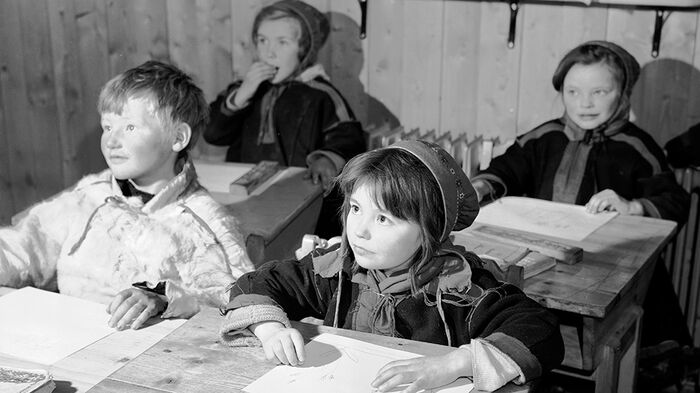
Many Sámi, Kvens and Forest Finns experience grief over not mastering the language that ties them to their own people. An increasing number are now trying to reclaim their language.
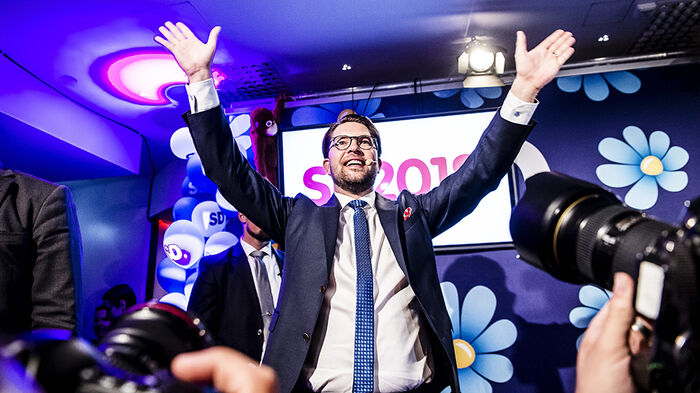
Jessica Robinson has researched millions of tweets in connection with elections in the United States and Sweden. She found that the far right use Twitter to build global networks and to share their views on nationalism and immigration.
Many climate campaigns use both verbal and visual metaphors. According to new research, this can give them particularly persuasive power.
Preferential trade agreements enable Norway to import large quantities of meat from Africa. This may undermine climate change mitigation in the agricultural sector.
Safer Internet Day takes place each year to raise awareness about the importance of creating a safer and better internet for all, especially for children and young people. This year it takes place on Tuesday 6 February.
A hundred years ago, the Ukrainian author Isaac Babel wrote about grotesque acts of violence in the Polish-Soviet war. Today, authors like Babel are important when a new war rages in the same region.


.jpg?alt=listing)

