In the 1970s, Japanese comics transported their readers to “exotic Europe” when characters engaged in activities that were taboo and the Japanese society was to be criticized.

Research news - Page 4
One of the biggest hits on Spotify ever came about after a thorough analysis of the rhythm of other tracks in the same genre. The producers were looking for a groove that makes people want to dance.
Musicologist Dana Swarbrick wondered whether concerts could bind people together. Her research suggests that the answer is yes.
During the construction of the Suez Canal, people from Europe traveled to Egypt in search of work. Historian Lucia Carminati believes that their stories are an important corrective to how we think about immigrants today.
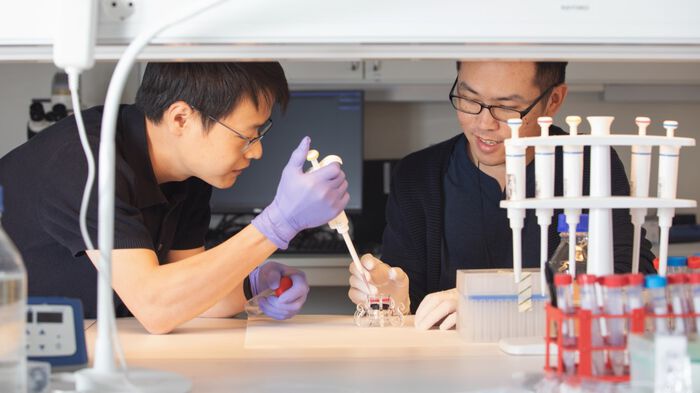
Could music affect cells? According to a recent life science project, it could be possible. The results may be a first step to using music to treat diabetes.
In a new exhibition, archaeologist Vibeke M. Viestad shows how we can use San people's dress and dress practices to interpret their world-renowned rock art in new ways.
If we accept the conflict between moral obligations and personal interests, it becomes easier to find ways to live with it, says philosopher Mathea Slåttholm Sagdahl.
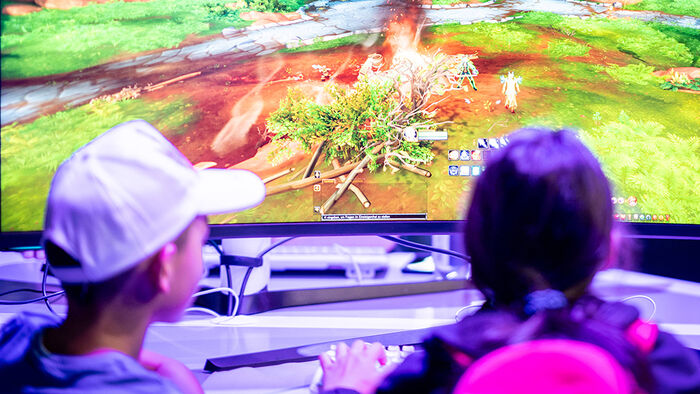
In the last 20 years, an increasing number of nuanced queer characters have entered computer games. But there is still some way to go before queer representation reflects the real world.
A recent doctoral thesis from the University of Oslo raises the question of whether Hamsun acknowledged guilt after World War II had ended.
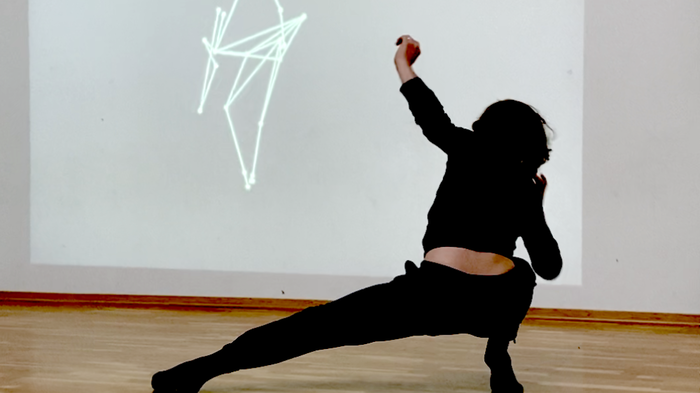
Researcher Benedikte Wallace set out to teach a computer how to dance. She ended up gaining new insight into how artificial intelligence (AI) can be used in creative practice.
Are elite athletes like zombies who can perform on autopilot? Not according to new research.
Vultures are often associated with death, but some vulture species are themselves at risk of extinction. What can their fate tell us about the interaction between humans and the natural world in our time?
Do you deserve praise and recognition for good ideas that seemingly just pop into your mind? Yes, says philosopher Francesca Secco, who wants to provide nuance to what can be considered an action.
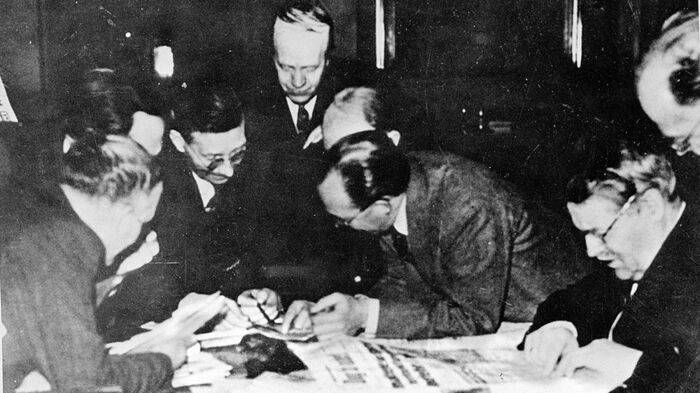
During World War II, the Presidium of the Norwegian parliament was hoping to strike a deal with Nazi Germany. Historian Øystein Sørensen has been trying to understand why.
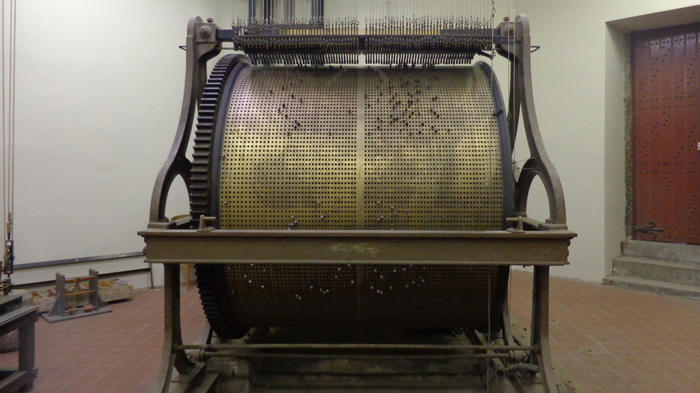
In the past, it was a challenge to make machines play music on the grid. Today, the challenge is the opposite.
Medieval religious music is often perceived as being simple, and not particularly flashy or lavish. It often had a function that goes beyond simply being pleasant to listen to, says University of Oslo researcher.
Frederik Schübeler passionately shared his knowledge about nature and taught people how to cultivate their own produce. There is a lot to learn from him, according to a UiO- researcher.
Richard Linklater’s films serve as a window into nineties slacker culture and youth life in the 1970s. Media researchers at UiO have published a book about the director behind 'Dazed and Confused' and the 'Before' Trilogy.
In particular, there is one reason why Instagram poems often lack some of the literary quality of other poetry, according to a professor of literature at the University of Oslo, Norway.
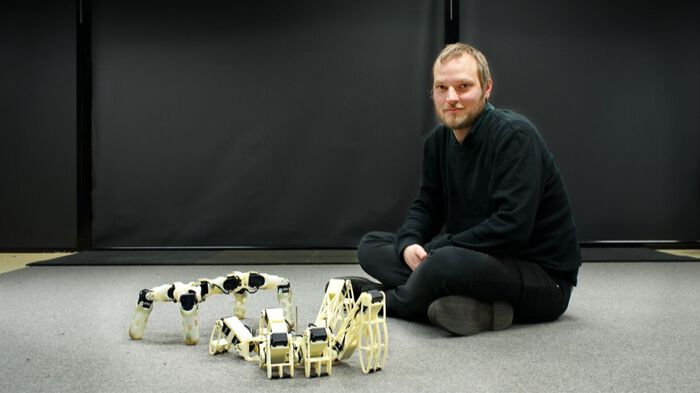
Music can be used to get people to move to the beat, but can you apply the same trick to robots?
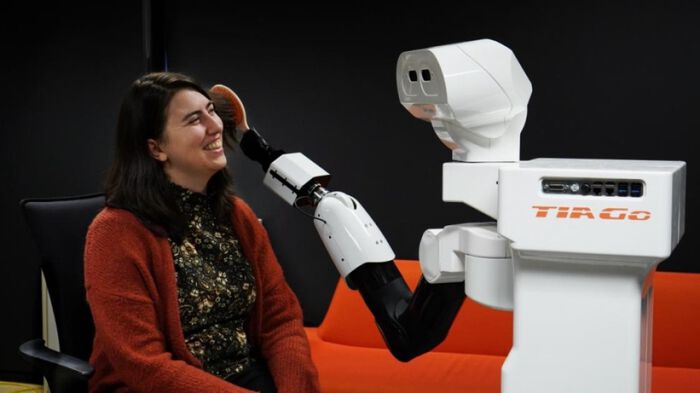
Is it important to us that robots use body language when communicating?
With just one look at your eyes, experts can tell what kind of music you want to move to. The urge to dance becomes greater if you first allow yourself to stomp your feet to the beat.
Researchers are now trying to solve something they are calling a scientific word mystery.
In the Middle Ages, the Roman alphabet and runes lived side by side. A new doctoral thesis challenges the notion that runes represent more of an oral and less of a learned form of written language.
Two out of three Norwegian boys play video games daily. But is it the mothers or the fathers who are most concerned? The answer might surprise you.