About the workshop
This workshop invites contributions from humanities scholars with interest in the study of an open and inclusive category of micro-organisms, from bacteria, viruses and fungi, to insects, plankton, rodents, jelly fish, and other critters in the landscape.
The workshop places emphasis on how microorganisms lived, live and will continue to live in the land, that is, how they remain in the landscape over time, rather than being extracted or harvested, and indeed move and migrate and make trails through the landscape with humans and other living beings.
Further, it examines the many ways in which microbes have been studied, known, categorized, managed, and adapted to by humans and other living beings in various climatic, geographical, and landscape contexts and at various scales of ecological assemblage.
The workshop is “probiotic” in the sense of shifting the focus of study from pathogenic microbes, visible through a microscope and surveilled for their potential harm to humans, in an “antibiotic” mode, to the ways microbes manage and maintain other life forms and act therapeutically on humans, drawing on a dynamic, interdisciplinary field of “microbe studies.”
Further, it shifts the focus of the site of microbial study from its traditional center in the laboratory, rooted in the history of bacteriology, to the landscape and ecology. It looks at microbes not in pure, isolated cultures but mixed and entangled with other living beings, including humans, in the field.
Papers are drawn from environmental and medical history, philosophy, literature, anthropology, archaeology, geography, religious studies, and beyond, studying.
Workshop Program
10:00 AM – 12:00 PM - Microbial Life in the Soil
Co-Chairs: Wanda Marcussen (University of Oslo, Department of Archaeology, Conservation and History) and Johanna Conterio (University of Oslo, Department of Archaeology, Conservation and History)
Anna-Katharina Laboissiere (University of Oslo, Centre for Technology, Innovation and Culture): “Birnam Woods and their microbiome: assisted migration of plants and interventions into soil microbiotic communities”
Ada Arendt (University of Oslo, Department of Archaeology, Conservation and History): “Microbial Landscapes and Multispecies Care: Rethinking Human-Microbe Relations Through Early Modern Soil Regeneration Practices”
George Cusworth (University of Oslo, Department of Philosophy, Classics, History of Art and Ideas ): “On Disease Configurations, Black-Grass Blowback, and Probiotic Pest Management”
12:00 PM – 1:00 PM - Lunch
1:00 PM – 3:00 PM - Probiotic Approaches to Health and Healing
Chair: Anna-Katharina Laboissier (University of Oslo, Centre for Technology, Innovation and Culture)
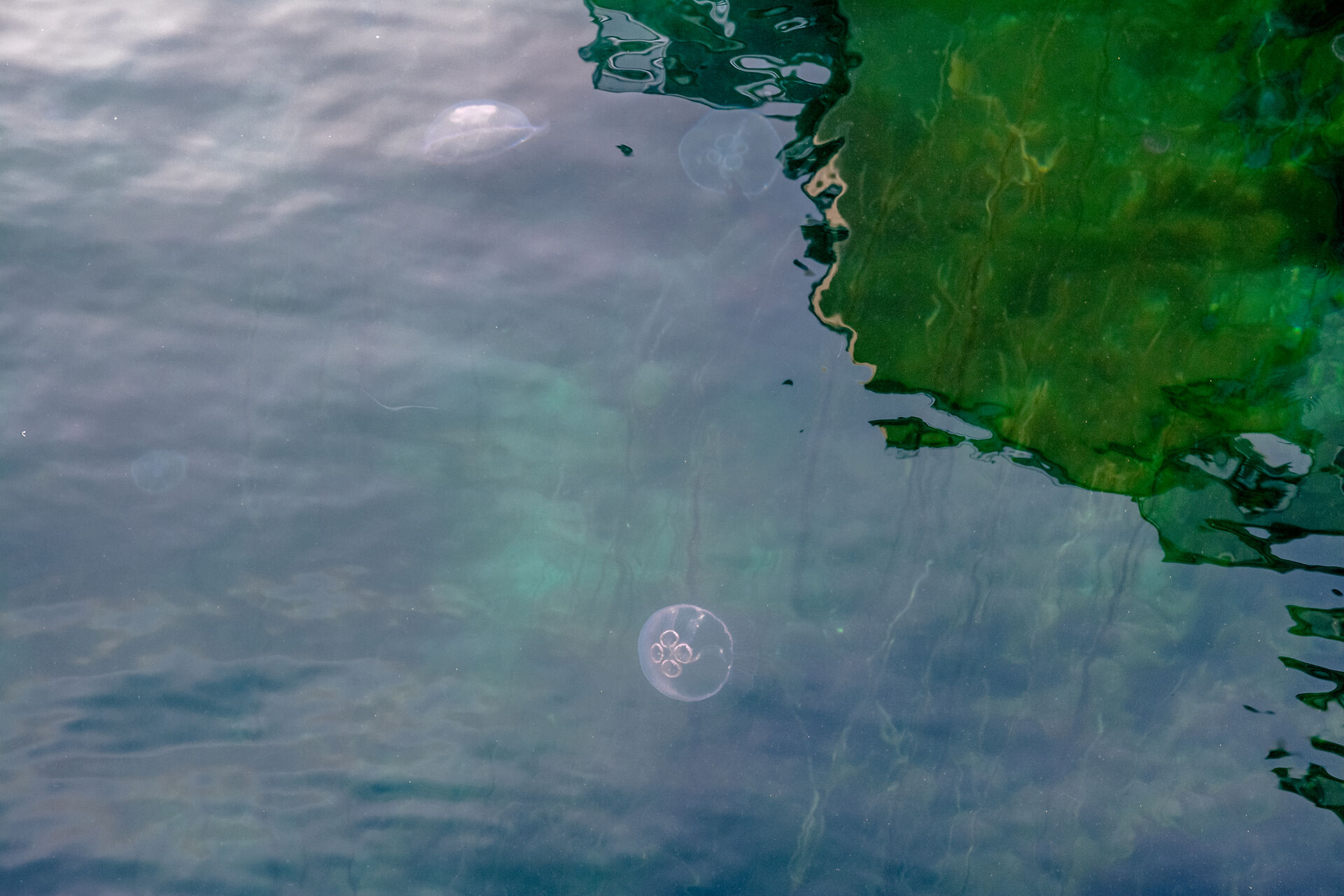
Wanda Marcussen (University of Oslo, Department of Archaeology, Conservation and History): “The Medusae’s Sting: The Entanglement of Jellyfish in Norwegian and Scandinavian Science and Medical Practice of the 18th-19th Century”
Johanna Conterio (University of Oslo, Department of Archaeology, Conservation and History): “New Pasteurian Histories: Curing with Microbes in early Twentieth-Century Eurasia”
Florence Durney (University of Oslo, Department of Culture, Religion, Asian and Middle Eastern Studies): “Renegotiating the sea cucumber: reefs, climate stress, and microbial buffering in the Timor Sea”
Workshop convener
Dr Johanna Conterio
Associate Professor of Environmental History
University of Oslo
Department of Archaeology, Conservation and History
PB 1008, Blindern, NO-0315 Oslo, Norway
Johanna.Conterio@iakh.uio.no
Please register to receive a Zoom link for the event and here for in-person participation.
Workshop will be held in Sophus Bugges Hus, Seminar Room 5.