Research groups

How did we get into the current environmental crises? What are the roots of today's ecological problems? Can we learn from past mistakes and successes?

The research group works with key global issues. It has a broad geographical scope. Several of the affiliated researchers explore such issues in a Norwegian context.

How did the demarcations of democracy change from 1700 to the present, within and beyond the Nordic region?

Questioning the history of capitalism, from early modern times to the present day.

Are the same versions of history taught to students globally?

The research group studies minuscule texts, i.e. short texts added to Latin manuscripts.

The research group Materialities is a collaboration of researchers exploring the richness of relationships between humans and their material environments.


The research group studies migration and cultural diversity, with an emphasis on Norway’s contemporary history.

How have humans historically cultivated practices of co-existence with other species? How have these interactions shaped the landscapes where humans have built, worked, lived, migrated, and wandered?

How did people in the middle ages envision and enforce ideals of predictability, uniformity and order?

A forum for the convergence of researchers working on Ancient History and Classical Archaeology.
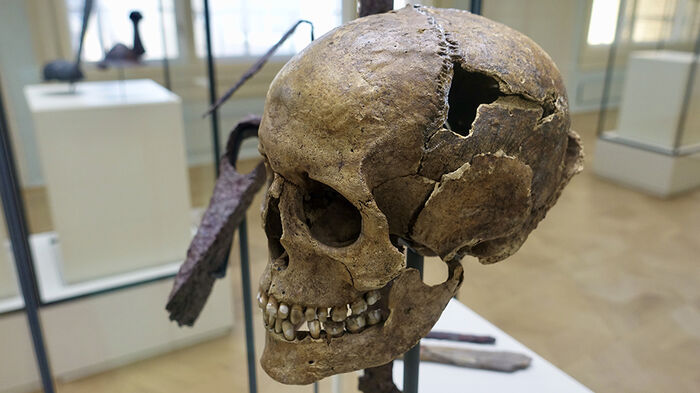
Violence permeates human history, but how do different societies perceive, process and narrate war and other armed conflicts?