About the project
Artworks, often overlooked in environmental discourse, offer crucial insights into our relationship with the earth. They are repositories of environmental knowledge, showcasing our use of natural resources and documenting human impact on nature.
With this in mind, the project “An Ecological History of Eurasian Art: Natural Resources, Aesthetic Practices, and Early Modern Globalization” aims to rewrite art history. It seeks to illuminate the ecological interconnections that shaped artistic practices from 1500 to 1800 by examining key artistic sites across Eurasia.
Through a geographic focus on under-researched regions of the Global South, and its transcultural and comparative methodology, the project will:
- contribute to the decolonization of art history
- provide theoretical insights into circular economies and the ecology of art
- contribute key historical information to an interdisciplinary understanding of natural resource conflicts during the Anthropocene
Project team
The project team includes three PhD students and two post-doctoral fellows.
Project leader
Anna Grasskamp is Professor of Art History and Visual Studies at the University of Oslo.
Post-doctoral fellows
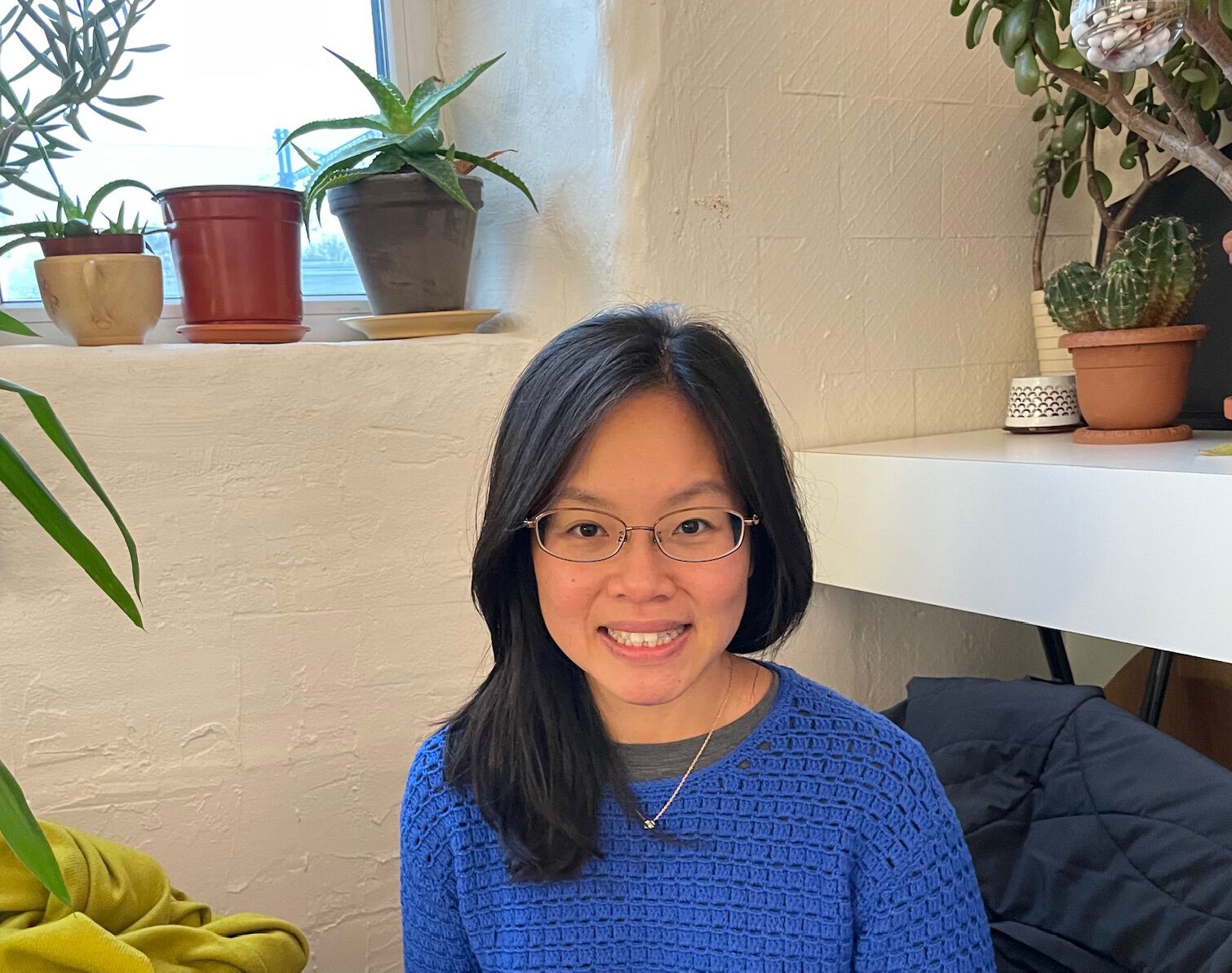
Sarah Huang Chen
Sarah Chen Huang is a researcher in the history of science. She holds a BA in art history and sociology from the University of Hong Kong, an MA in art history and archaeology from SOAS, and a PhD from City University of Hong Kong. Her doctoral project examines illustrated botanical books in Ming-Qing China, focusing particularly on the production and dissemination of knowledge on famine foods and their social and ecological implications. Her current research investigates human interaction with geographic resources in the Pearl River Delta through the visual and artistic representations of the landscape/seascape from 1500 to 1800.
Sarah was a visiting fellow at the Max Planck Institute for the History of Science (2021) and EALC, Harvard University (2022), and served on the advisory committee for the exhibition Growing and Knowing in the Gardens of China at the Huntington Library, Art Museum, and Botanical Gardens (2024).
Mary Josefti C. Nito
Mary Josefti C. Nito’s work focuses on the Spanish Philippines during the early modern period. She holds a BA and an MA in Humanities from the University of Asia & the Pacific in the Philippines and received her PhD in History from the University of the Philippines (Diliman). For her doctoral project, she worked on the history of Marian devotion on the island of Luzon in the seventeenth- and eighteenth-century Spanish Philippines. She traced the introduction of Marian icons, mapped different Marian shrines established by European missionaries and analyzed the geographical patterns of miracle sites and devotional ritual practices attributed to the Virgin Mary.
In July 2026, she got accepted to join the Prints Across the Pacific 1565 – 1815 project by the Connecting Art Histories program organized by the Getty Foundation, a collaborative series of travel seminars focusing on the transregional print culture, book history, and material exchanges linked to the Manila - Acapulco Galleon trade.
Her current research focuses on geoaesthetics in relation to sacred icons in the early modern Spanish Philippines. Her goal is to understand how the production of religious sculpture and imagery was influenced by socio-political contexts and the prevailing environmental conditions (geological, botanical and climatic realities) surrounding these artworks.
PhD Students
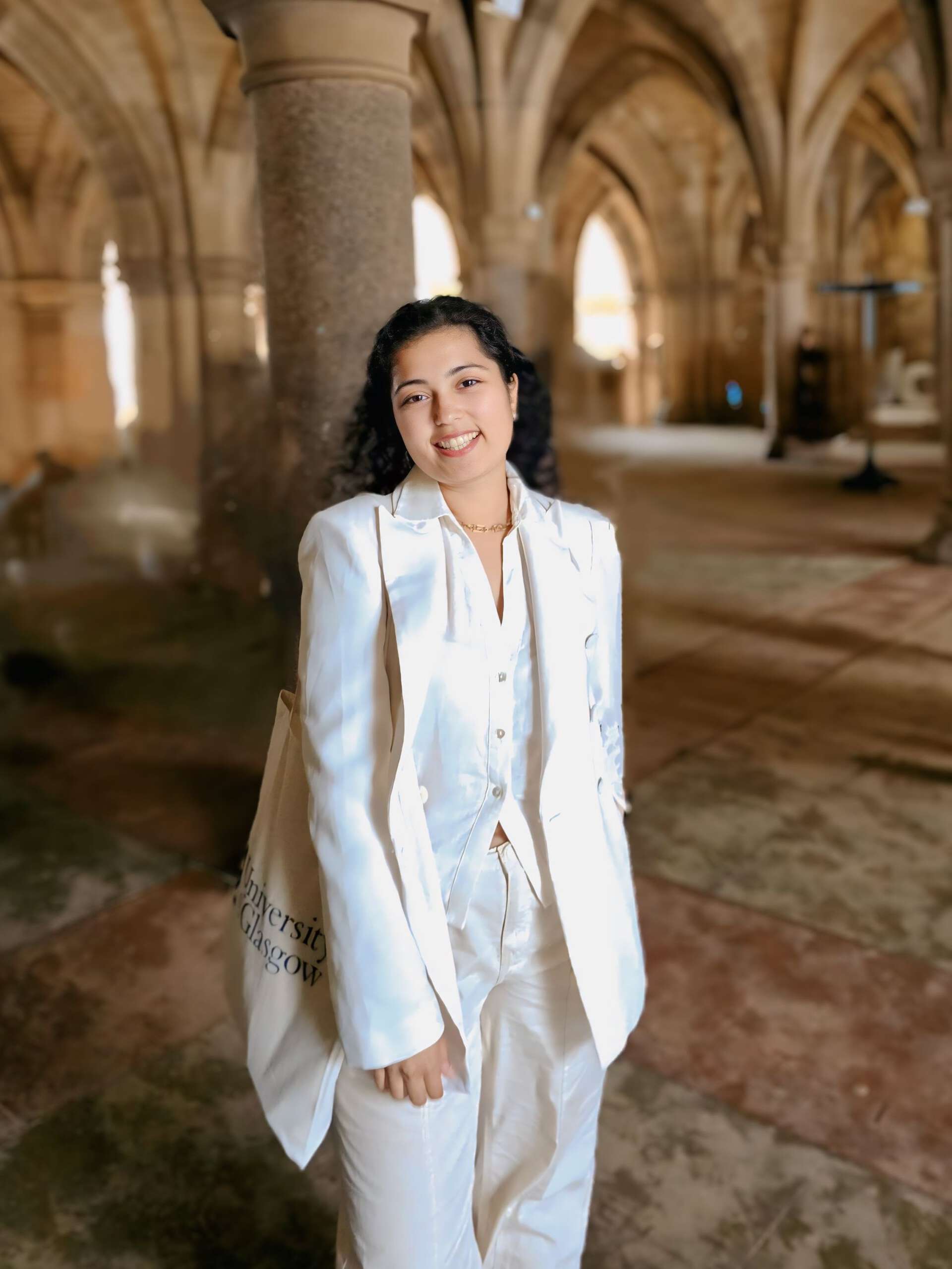
Sakshi Jain
Sakshi Jain is a doctoral research fellow at the University of Oslo, contributing to the ECOART project. Originally from India, her research explores the material culture and trade networks of the Mughal Empire within the broader context of early modern globalization. With a particular focus on gemstones, she examines their extraction, circulation through trade routes, and transformation in imperial workshops (karkhānās) under successive Mughal rulers, approaching them as both ecological resources and culturally embedded materials. By tracing the movement and use of a number of select gems, she investigates how natural resources informed artistic production, aesthetic values, and cross-cultural exchange across Eurasia.
Prior to her doctoral research, Sakshi completed an MA in Museum Studies at Newcastle University, followed by two years of professional experience as an Assistant Curator in India. She was later awarded the Erasmus Mundus Scholarship to pursue MA Managing Art and Cultural Heritage at University of Glasgow. Her master’s thesis examined the socio-economic and material transformations of the Sikligar community from the 18th century to the present, focusing on how traditional metalworking adapts to changing market and cultural conditions.
Marie Ngiam
Marie Ngiam is a doctoral research fellow at the University of Oslo’s ECOART project. Prior to joining the University of Oslo, Marie studied at the University of Cambridge, completing an MPhil in World History where she developed an interest in the transmission of botanical knowledge between Asia and Europe through the lens of visual and material cultures. At Cambridge, her masters dissertation focused on the works of amateur botanist and Republican Chinese intellectual Zhang Liqian (1900-1955).
She is originally from Australia, where she studied law and Asian Studies at the Australian National University. She worked as a lawyer in Canberra before returning to academia.
At Oslo, her doctoral research investigates the globality of botanical resources, with a particular focus on its ecological and material entanglements, during the early modern period. A key component of her research studies the relationship between humans and the natural environment by looking at how botanical resources have shaped artistic and visual epistemologies in the Southeast Asia-China nexus.
Yixin XU
Yixin Xu is a PhD research fellow in the ECOART project at the University of Oslo. She is particularly interested in how global objects act as storytellers, revealing diverse stories that connect craftspeople, consumers, and geographies across Europe and Asia. Her research focuses on the Transcultural Exchange of Amber in Early Modern Eurasia, exploring how amber, a fossilized resin, became a significant material in the artworks of the Qing court and how its demand impacted resource extraction in regions like Myanmar and the Baltics.
She holds MA degrees in Asian Studies from Cornell University and the History of Art from The Courtauld Institute of Art. She has also contributed to online articles for institutions such as the Victoria and Albert Museum and Brighton Museum & Art Gallery.