

On the 21st of September, we went to a restaurant located in Bjørvika called Feniqia. Feniqia brings a bit of Lebanon to Oslo with its authentic Lebanese cuisine.
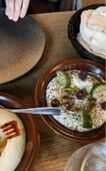
At Feniqia, our table was filled with a spread of dishes that represented the essence of Lebanese food. We had different kinds of lahme (meat dishes), shawarma, and chicken, among others. We also had hummus, baba ganoush, labneh, tabbouleh, and stuffed grape leaves (warak enab). For dessert, we of course tried a selection of Arabic sweets and mint tea.
Our impression of Arabic food culture is that it is centered around shared dishes, commonly known as meze. Meze is a traditional style of eating found in many Middle Eastern countries, based on sharing both cold and warm dishes similar to appetizers.
We noticed that Arabic food culture differs from Norwegian food culture in the portions served at restaurants. Arabs often use exaggeration in their speech, which goes hand in hand with the poetic nature of the language – and the same applies to food. It was noticeable that the Arab families in the restaurant arrived in larger groups, were louder, and had a lot of food on their tables. They were also more willing to share, which fits well with the restaurant’s theme since they offered many types of meze. This reflects Arabic food culture very well.
Some of us were pleasantly surprised by Arabic coffee. Normally, we prefer European-style coffee, but this was delicious.
Two other things we changed our minds about were labneh and the vegetarian options. The labneh was refreshingly good, and the variety of vegetarian dishes was impressive.
_____________________________________

Sara is a first-year student at UiO in Middle Eastern Studies with Arabic. She already holds a bachelor’s degree in Art History. She is a heritage speaker: her father is Palestinian who grew up in Lebanon, and her mother is Croatian and Serbian. Sara loves drawing, traveling, exploring different kinds of music, and trying food from various cuisines.

Shaam is a heritage speaker and a first-year student in Middle Eastern Studies with Arabic. She is half Syrian and half Norwegian, born and raised in Oslo. She already holds a bachelor’s degree in Literature. Shaam loves to travel, especially to destinations in the Middle East.


