Webpages tagged with «Literature»
.jpg?alt=listing)
The term “close reading” long functioned as a shorthand for methodology in literary studies. Recently, scholars have begun interrogating what close reading entails and what alternative methods usefully challenge and expand upon it. This course provides participants an opportunity to engage with and reflect on methods of reading.
_16x9.png?alt=listing)


A discussion of representations of flight, homelessness, border crossing, belonging and identity formation in recent as well as older literature, with an emphasis on literature's connections to the world of politics and ethics.
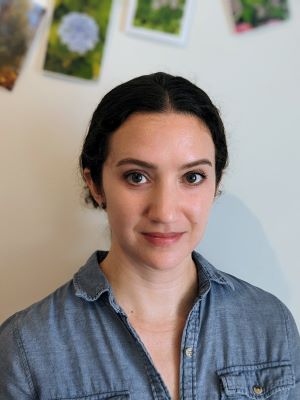
Lecturer Dr. Barbara Siller, University College Cork, will give a talk on “Kafka Tales of the Twenty-First Century – Doors, Walls, and Fences in The Gurugu Pledge (2017) by Juan Tomás Ávila Laurel and Lights in the Distance. Exile and Refuge at the Borders of Europe (2018) by Daniel Trilling”.

Camilla Chams approaches attachment as a synonym for love, liking, affiliation. Attachment has recently been launched as a keyword for the humanities and for literary studies (Felski, 2008, 2015). In psychology, however, attachment is a more complex form of human relationship involving both cognitive and emotional development, and physical survival (Bowlby, 1979).
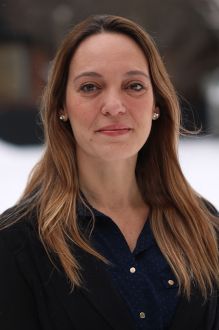
Olivia Da Costa Fialho in her project develops the phenomenology, preconditions and underlying processes of how literary narrative fiction deepens and changes perceptions of self and others.
We say that literature can change your life. But is this statement supported by scientific evidence?

Karin Kukkonen, Ylva Østby and Bergljot Gjelvik explore the relations between memory, literature and mindfulness. This interdisciplinary research project investigates the phenomenology of personal episodic memory and how this relate to literary fiction and mindfulness meditation.

Recent research on migration and migration literature suggests that we can understand narratives of migration better by focusing on the temporal perspectives connected to integration, detention, trauma, crisis, and imagined futures.