About the project
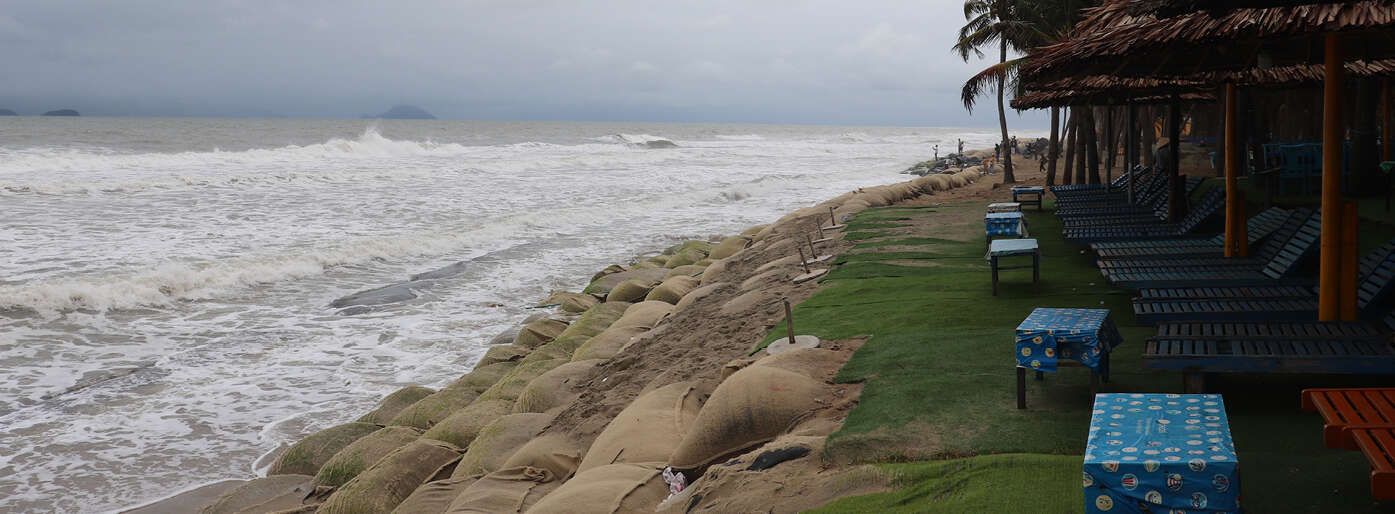
Coastal Lives in Flux (CLiF) studies coastal areas in Indonesia, Japan, Vietnam, and the Philippines, where erosion, biodiversity loss, plastic pollution, overfishing, climate change, and infrastructural development create challenges for livelihoods, health, and safety.
Through in-depth ethnographic fieldwork, the project examines not only how residents are affected but also how they take action: they develop new income sources such as ecotourism, organise protests, use art, and perform rituals that strengthen cultural identity.
CLiF combines methods and insights from anthropology, environmental humanities, area studies, and religious studies, and actively collaborates with local communities in its research.
Objectives
CLiF investigates how environmental problems such as climate change, plastic pollution, erosion, and biodiversity loss, as well as major infrastructure projects, including seawalls, conservation initiatives, and tourism, affect everyday life in Asian coastal communities.
The project aims to develop new knowledge and theory on local responses to such challenges. CLiF will contribute to three theoretical traditions in particular:
1) theories in political ecology and anthropology on “sacrifice zones”
2) theories in the environmental humanities on “more-than-human landscapes” and “wet ontologies”
3) new approaches in religious studies to ritual and ecology.
In addition, the project will help coastal communities in different parts of Asia exchange knowledge and strategies with each other.