Previous events
.jpg?alt=listing)
This methods course is aimed at doctoral research fellows at the Faculty of Humanities, providing them with a general overview of various approaches to discourse analysis and a more detailed introduction to (Multimodal) Critical Discourse Analysis. The emphasis is on how discourse analysis can be used in various humanities projects.
In the final seminar, PhD fellows from IMK get feedback and recommendations for improving their dissertation draft prior to submission.
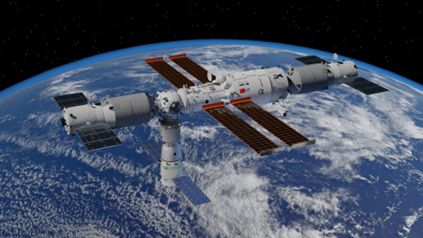
This intensive three-day PhD course examines contemporary geopolitics through strategically deployed material relations and evolving forms of deliberate reciprocity and asymmetry between China and other actors in a shifting world order.
We want to invite you to an open evaluation with our PhD-fellow in Study of Religion Linda Gustavsson, who is working on a project with the title "Ethno-political Contestations on Festival Grounds in the Indian Himalayas. A Study of Religious Change Among the Limbu in Sikkim".

Welcome seminar for new PhD candidates and their supervisors at the Faculty of Humanities.
This PhD-course sets out to explore the links between spirituality and reading. Perspectives from theology, religious studies, literary studies and distributed cognitive science are put together to understand different kinds of spiritual and narrative technologies of self-transformation.
In connection with the 10th Nordic Conference for Rhetorical Research, the Department of Linguistics and Scandinavian Studies and the research group Voicing Democracy will organize a two-day PhD course on the democratic value of rhetorical encounters.
Course for HF/UiO Ph.D. week spring 2026 (1/2 ETCS)
This course introduces key discussions and practical implications of doing research on and with artificial intelligence within the Humanities. The course concentrates on text produced with generative artificial intelligence and large language models (i.e. not all other forms of AI, such as predictive AI used in diagnostic medicine).
.jpg?alt=listing)
The term “close reading” long functioned as a shorthand for methodology in literary studies. Recently, scholars have begun interrogating what close reading entails and what alternative methods usefully challenge and expand upon it. This course provides participants an opportunity to engage with and reflect on methods of reading.

Scholars in the humanities partake in peer review on a regular basis, either as authors or as reviewers. This course considers the peer review process in academic journals, and offers valuable insights from experienced researchers.
Advanced course in Ethics: This course aims at equipping young researchers with the skills and insights needed to address the challenges of research collaboration. Through presentations, conversations, and exercises, we will discuss how to prepare for collaborating with other researchers and how to ensure clear communication and productive co-authorship.
Advanced course in methods.

This advanced course in Theories of Knowledge addresses the role the construction of real and imagined geographical spaces plays for the knowledge we establish through research in (primarily) area studies and history. In an age of supposed globalisation, we invite PhD-candidates to reflect on the ways in which their own project is delineated geographically and the impact this has on their research.
.jpg?alt=listing)
The compulsory course for all PhD candidates takes a broad approach to ethical issues in the humanities. It ensures that all candidates are familiar with the norms that constitute and regulates scientific practice and secures research integrity.
Advanced course in methods.
This advanced course in theories of knowledge foregrounds the development of major debates within literary and cultural theory. The aim is to enable PhD Fellows to articulate and perhaps defend more persuasively the theoretical assumptions upon which their own PhD projects are based.
Advanced course in research ethics.
Advanced course in methods: This course aims to equip doctoral candidates with the theoretical tools and critical perspectives needed to navigate and analyze the rapidly evolving landscape of AI technologies and their impact on reading and writing practices.

How and why do researchers disseminate knowledge to a general, non-specialist audience? The course offers hands-on training of communication skills for a general public, as well as a reflection on non-academic media outlets as arenas for research dissemination. This is one of two versions of the HF media dissemination course, and this particular course trains oral communication, e.g. radio, podcast, TV etc.
This compulsory course for all PhD candidates at the Faculty of Humanities introduces foundational problems of knowledge-production in the humanities.

The PhD week program offers introductory and advanced courses in theories of knowledge, research ethics and methods, as well as writer's hours and skills-oriented courses and workshops - and social events.

We wish to invite you to an open midway assessment for our PhD fellow in musicology, Sayati Das.
To comment on the candidate's work, we have invited Professor Mary Cohen, The University of Iowa.
Text development seminar in literature organised by Associate Professor Rasmus Vangshardt at ILOS. The text development seminar is a compulsory component of the PhD programme.

We wish to invite you to an open midway assessment for our PhD fellow in musicology, Vemund Hegstad Alm.
To comment on the candidate's work, we have invited Dr. Steven Gamble, University of Southampton.

How do young researchers write clear and well formulated research descriptions? How do they get funding for their research projects? This one-day workshop aims to provide young researchers with the necessary tools to write competitive applications and get funding.