Abstract
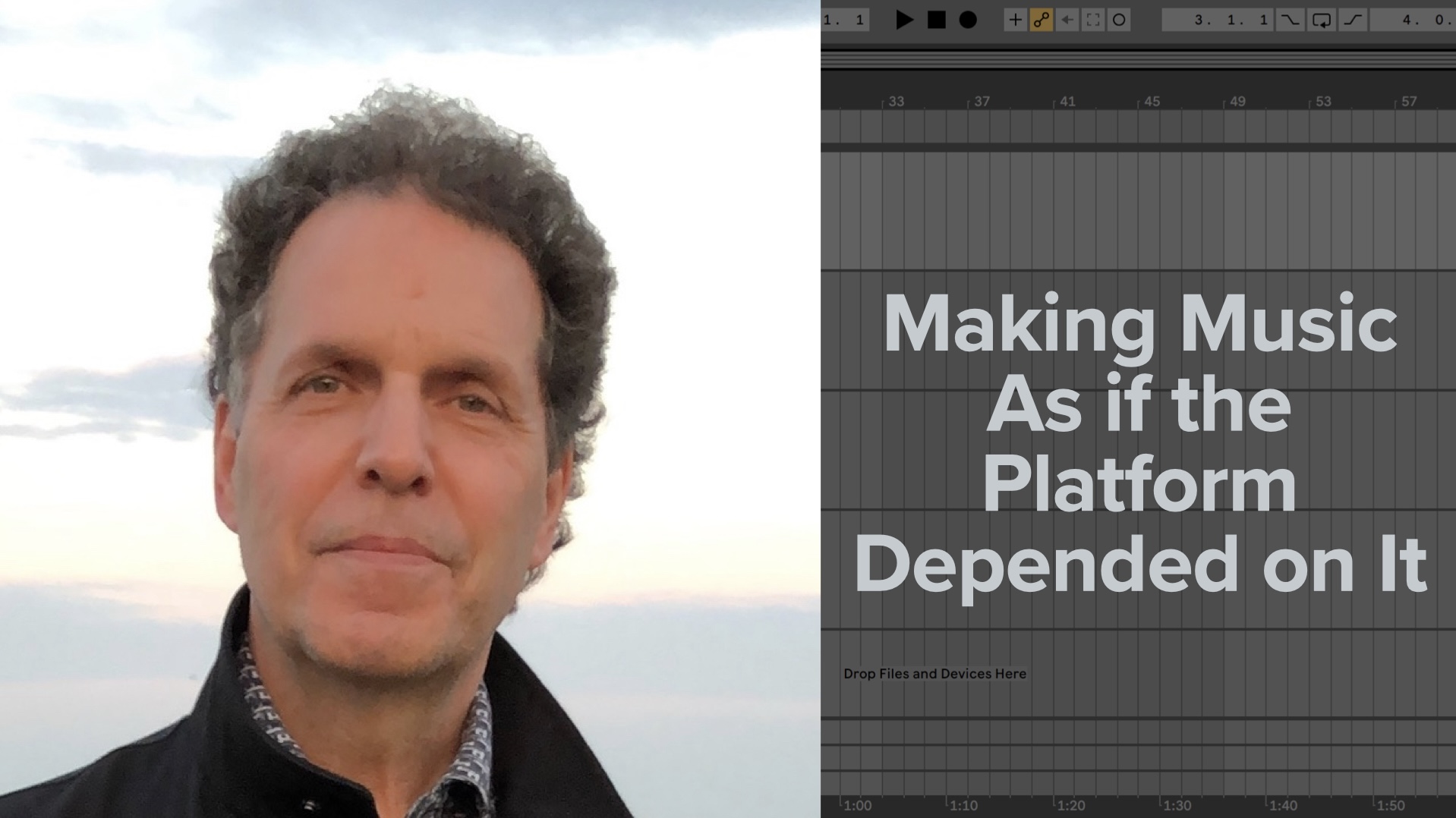
If one were to attempt an “archaeology” of the Digital Audio Workstation (DAW) one might first be drawn to the ways in which DAWs remediate previous technologies and technical practices: multitrack studios, digital sequencers, and drum machines, for example. Far from simple “metaphors” that structure the DAW interface, these remediations are deeply intertwined with preexisting musical genres and practices, and the conceptual residue embedded in software and hardware devices of the past.
A more socio-musical side of this archaeology would also have to confront histories of collaboration and appropriation, stylistic diversity, and occasional attempts to creatively "break" technologies – to work beyond design intentions and, in effect, upend the technical innovation process.
Both the technical and the socio-musical dimensions of contemporary DAWs have begun to change, however, in part due to increasing complexity of the software platforms themselves, and also due to their increasing integration with the Internet and mobile technologies: on the one hand, issues of complexity, precision and control, organized workflows, efficiency and ease of use have come to the fore; and on the other, a reliance on social networking, bundled services, and database logics has emerged. In both cases, techniques associated with digital automation, modelling, and artificial intelligence (AI) have become implicated in DAW design, requiring yet another layer of archaeological investigation.
Paul Théberge is a Professor and former Canada Research Chair in Music and Interdisciplinary Studies and is cross appointed to the Institute for Comparative Studies in Literature, Art and Culture and to the School for Studies in Art and Culture (Music) at Carleton University, Canada.
His research interests include issues relating to music, technology and culture, music and the Internet, and the uses of sound in visual media. His publications have appeared in numerous anthologies and in journals such as Cultural Studies, Social Studies of Science, and the Canadian Journal of Communication; he has also produced, for Sony Classical International, a 2-disc set of experimental recordings by Glenn Gould.
The event is open for all.
Professor Théberge will also present a keynote lecture during Symposium on the Platformization of Music Production, on Friday May 2 at 1.30 pm.