Research Forum
Upcoming

In this Research Forum, you will hear more about the conference that IMV will be hosting 1-3 December 2027: The Third International Conference in AI Music Studies (AIMS). The theme for the conference is: ‘Human-AI collaboration: human agency and intentionality’.
Previous
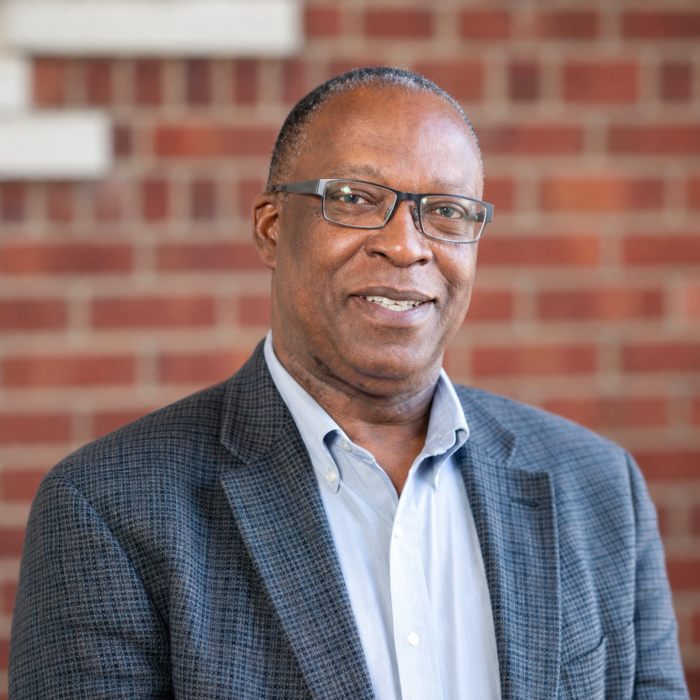
In this Research Forum, Professor Kofi Agawu raises a central issue for (mainly non-African) analysts of African music, namely the question of a regulative beat: does it exist, is it made manifest or merely assumed, and is there a single beat in ensemble performance, or are there multiple beats?
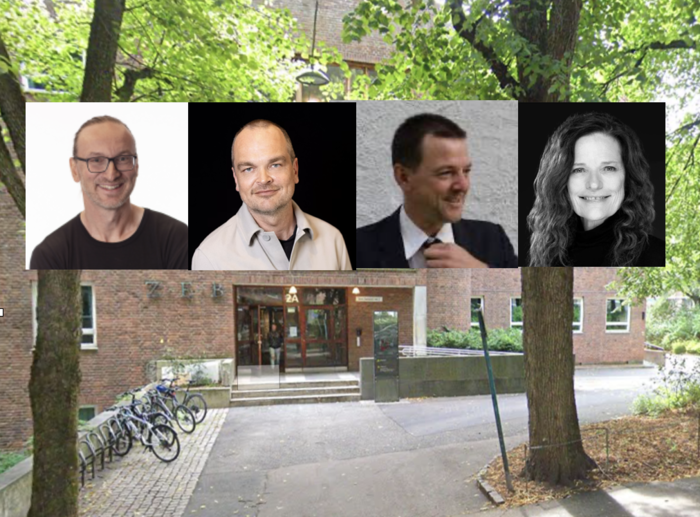
This seminar explores the relationship between art and science, focusing on how artistic research can contribute to knowledge production.
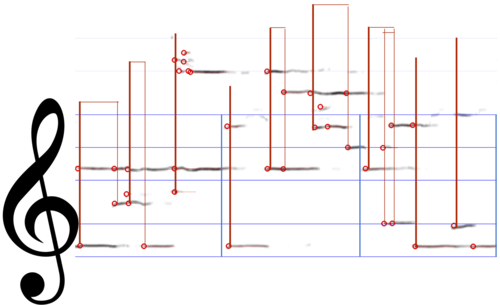
This second day of the Symposium on Digital and AI Musicology focuses mainly on music transcription and analysis, and the transformative potential of rich metadata.
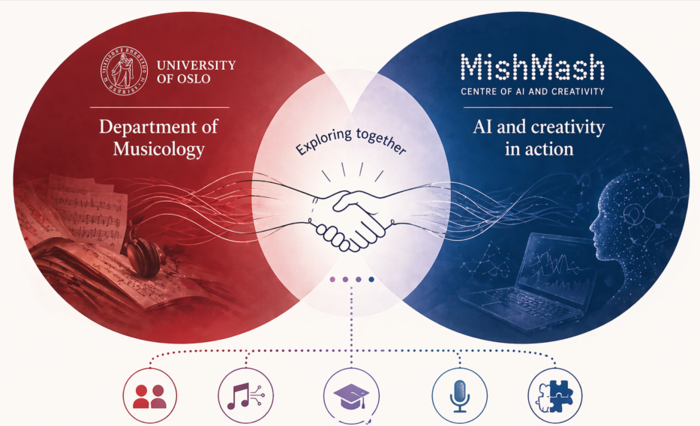
How should we make use of the research potential of MishMash? This forum presents the opportunities and invites discussion on how we should use them.
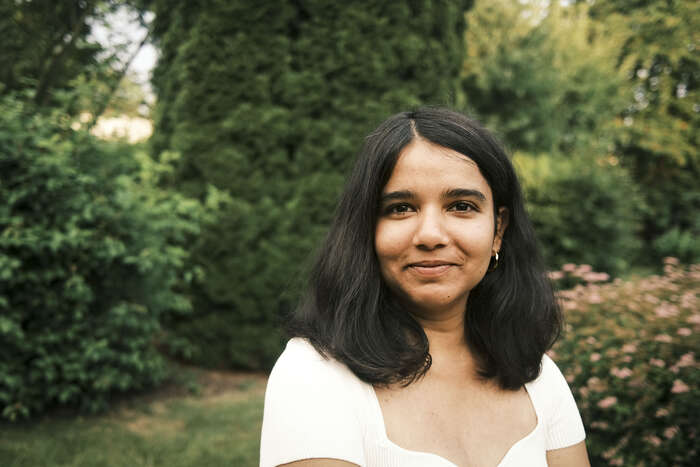
In this seminar, Dr. Rasika Ajotikar (University of Hildesheim) explores the sonic legacies of German Indology and Orientalism, showing how racialised constructions of “Indian culture” continue to shape music, archives, and the wellness industry in contemporary Germany.

This forum is for anyone with a project in the making, but aims to be especially inspiring for those planning to apply for FRIPRO funding in 2026.
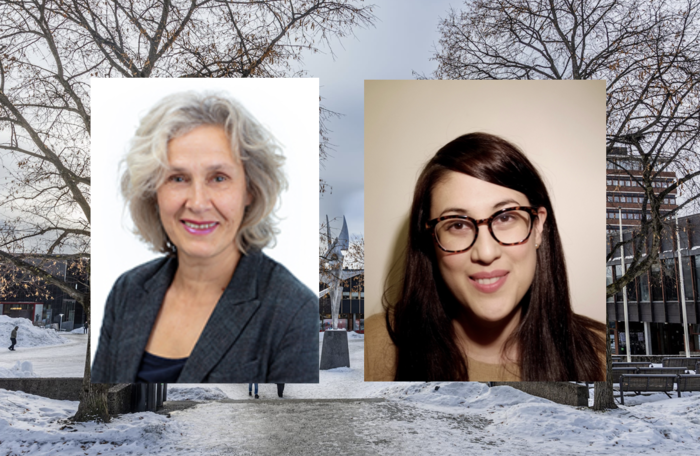
Doing research and writing papers, articles, and chapters can be solitary – but it does not have to be; it can also be social and collaborative.

FREYA JARMAN
In conversation with Peter Edwards & Áine Mangaoang
Throughout the history of western vocal music, high notes and high voices have come to signify a range of ideas that don’t seem at first to be issues of gender but which very rapidly turn out to be gendered spaces. From the purity and innocence of the angelic church treble, through the coloratura of the nineteenth-century operatic madwoman and the heroic climaxes of her tenor counterpart, to the antisemitic coding in Wagner’s high-tessitura villain roles, high voices do an awful lot of cultural work. Drawn from a book-length project on the topic, this paper will consider how high voices and high vocal notes code for sinister spaces—the devilish, the demonic, the underworld—and how these spaces are also intensely gendered. In order to explore these themes, I draw on examples from heavy metal and death metal, opera from Purcell to Penderecki, musical theatre, and various vocal accompaniments to death.
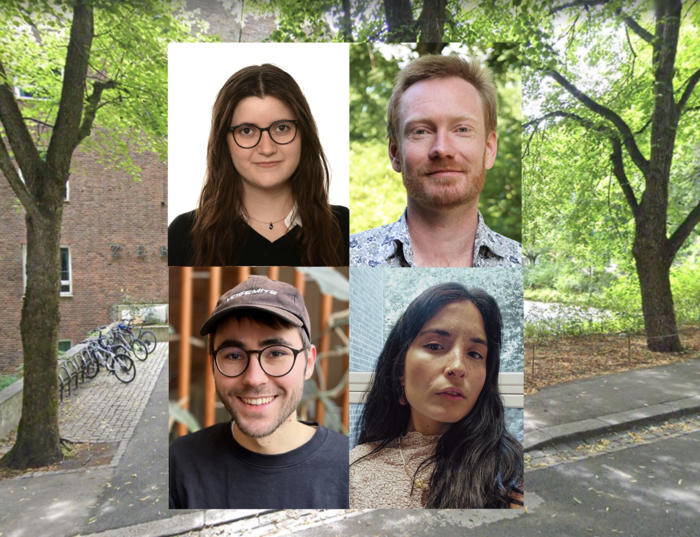
What characterizes the different stages of carrying out a PhD Project?
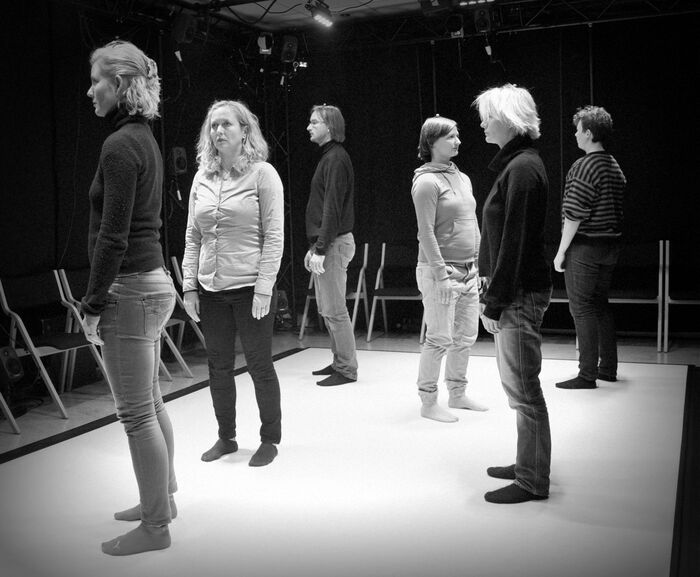
What can be learned by standing still in silence? Dancers typically move, and musicians move to produce sound. In this research forum, we explore the opposite: musicians and dancers who stand still in silence.

How do you develop a good idea into a research project? How can the idea branch into clear research questions, original perspectives, fruitful methods, and bring together participants who can make it all happen?

This research forum event explores the role of music and sound in democratic practices. In collaboration with the University of Leeds.
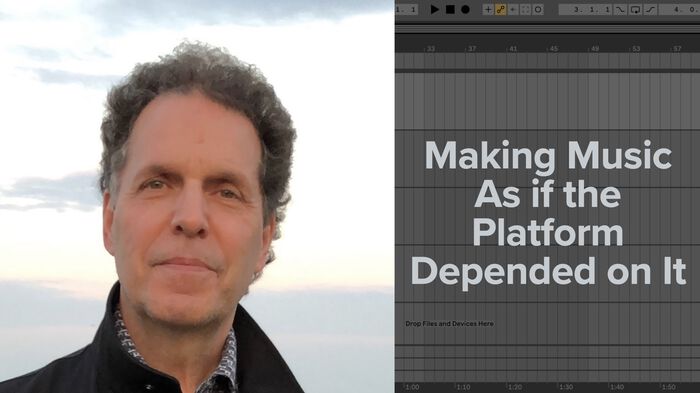
Research forum with special guest professor Paul Théberge (Carleton University).

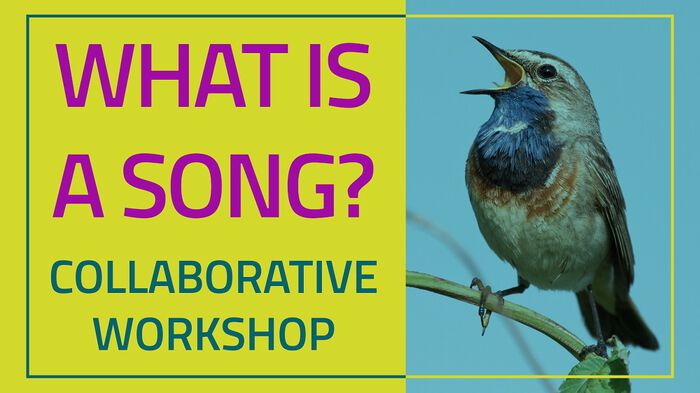
This research forum is a collaborative workshop to explore our understanding of songs through teamwork and creative activities. Register here! https://nettskjema.no/a/481488
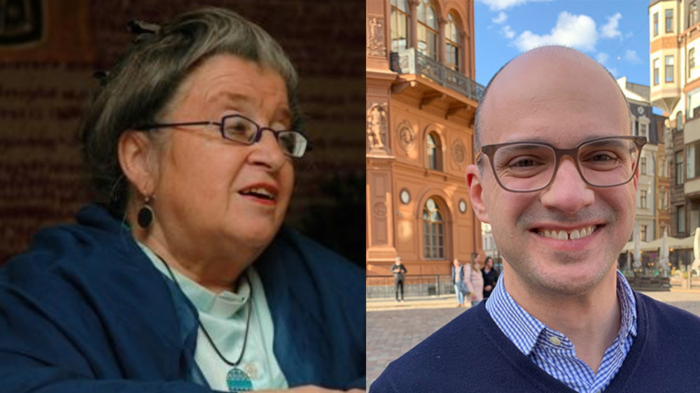
This Research Forum with guest speakers June Boyce-Tillman (Univ. of Winchester) and Kevin Karnes (Emory University) will feature two presentations traversing themes from the contemporary spiritualities of sounds, to musical exchange between the Cold War West and Soviet Latvia.

In this research forum, a series of speakers will address opportunities and challenges in research data management, across different fields of research and in relation to requirements at various levels.