Lab talks
Longer talks, by resident and invited scholars, held in the OCEH Lab.
Upcoming

What can desert history teach us about the study of the past, humans’ relationship to other beings and place, and how to build an ecological consciousness for the future?
Previous
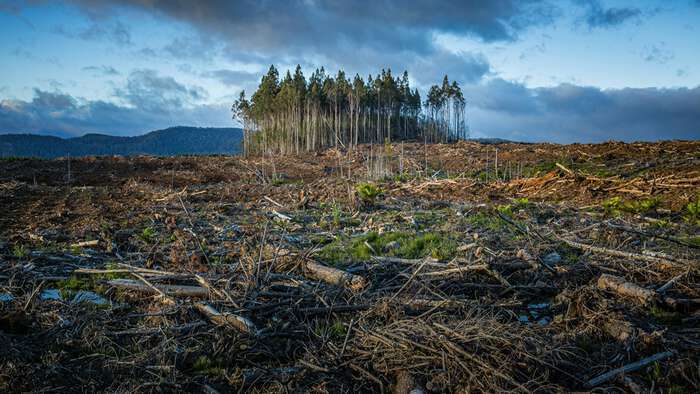
The loss of species has become a global phenomenon. It is also a very complex phenomenon where scientific knowledge, human culture, and biological processes become intertwined in various ways. This lecture provides an overview of these interconnections, as revealed by a five-year research programme.

Augmented reality sculptors are turning away from the dystopian narrative of the Anthropocene towards positive and playful narratives of fabulated imaginary worlds.

What does it take to keep another species alive, and what kinds of knowledge and intervention does this demand?
NB Please note the timeslot of the talk has been moved and is now 14.15-16.00.

How do Indigenous political and legal traditions challenge western political theory and offer alternatives for governing land use and natural resources?
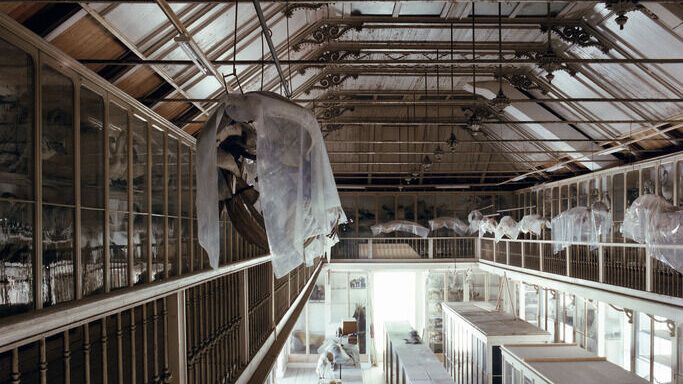
Exploring the emergence and impact of multispecies thinking and practice in contemporary Amsterdam museums.

Visiting scholar Karin Wagner discusses her ongoing book project Packaging design: sustainability, aesthetics and social issues.

Using examples from human-macaque interactions in Singapore, Stuart Strange explores how anthropomorphism depends on cooperative intuitions that both conceal and reveal wider possibilities for relating.

How can we develop unconditional relationships with earth?
How can the varied approaches more common in creative practice help those of us in the humanities who are struggling with disciplinary placement in an undisciplined age?
Ecosemiotics can help us understand how significance in life is created, maintained and lost: important knowledge for moving towards a sustainable culture.
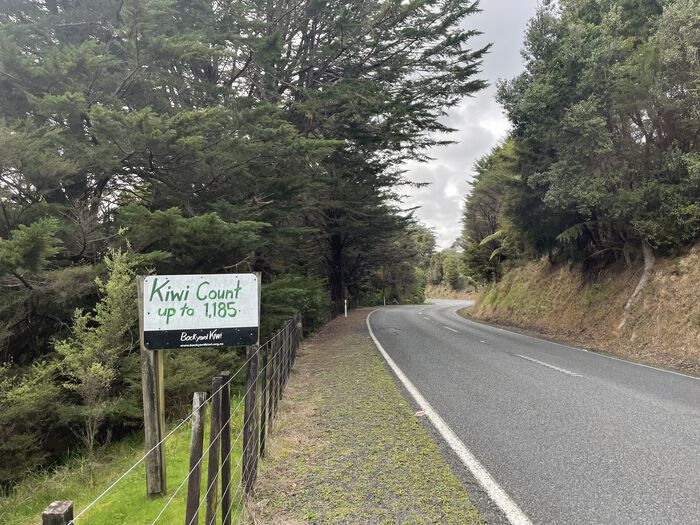
The forests of Aotearoa are busy with life, and most of it is eating something.

Musicologist Holly Watkins discusses her recent shift away from discursive eco-poetics toward embodied eco-practice.

Through the lens of two beaches, Franklin Ginn explores what it means to situate place within both local contexts and the vast, dynamic flows of the Earth.

The performance piece Miss Tampon Liberty maps the history of the "environmenstrual movement," performance art, and the complex interplay between plastics, the body, and time.