Other events
Other events organised by OCEH and the OCEH community.
Upcoming
The Ecologies of Animality, Disability, and Neurodiversity symposium introduces cutting-edge research and advocacy work at the intersection of disability, neurodiversity, ecology, animality, and posthumanism.
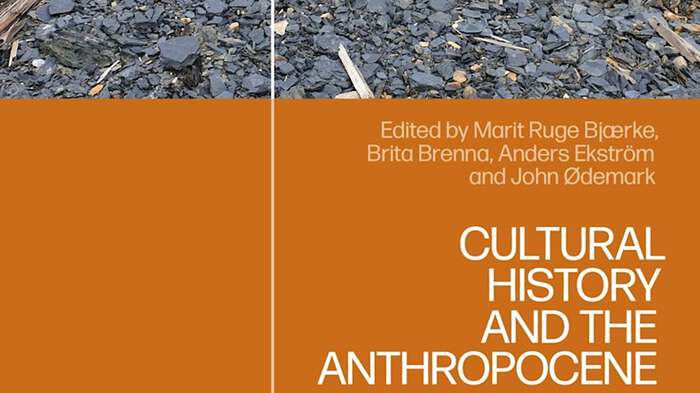
Join us for the launch of Cultural History and the Anthropocene – Old Turns, New Encounters (Bloomsbury Academic, 2026), hosted by the Oslo Center for Environmental Humanities (OCEH).

A hands-on, interdisciplinary workshop exploring the colonial history of the Pasvik region through historical archives, more-than-human timekeepers, material culture, and landscapes.
Previous
In collaboration with the Wetland Pavillion collective, ecosemiotician and poet Timo Maran will lead a walkinar where he will introduce ecosemiotic approaches and the use of umwelt cards, as a method for approaching places from the perspective of specific animals.
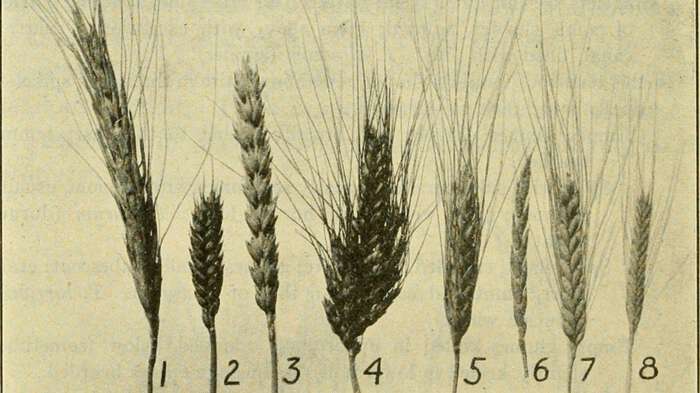
Join microbial ecologist Tiff S. Mak and Unstable Ecologies: Place-Based Sensory Storytelling for an afternoon talk and tasting exploring the many-layered histories and biologies of grain farming and bread-making in Norway and beyond.
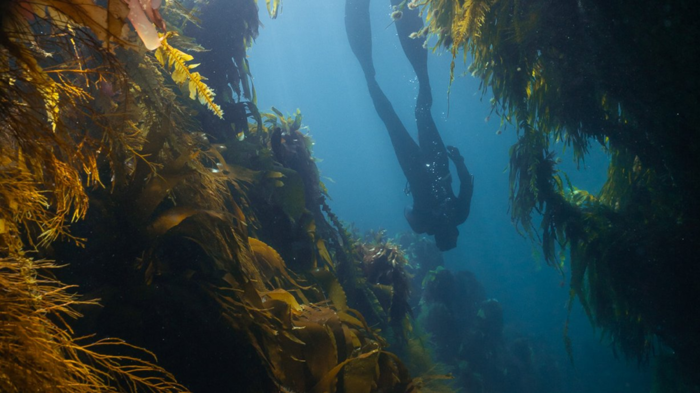
Join the Unstable Ecologies: Place-Based Sensory Storytelling research team from OCEH for a 1-day workshop exploring seaweed as a living material in Norway’s coastal waters/Oslofjord through sensorial learning (art making, cooking, tasting, creative writing).
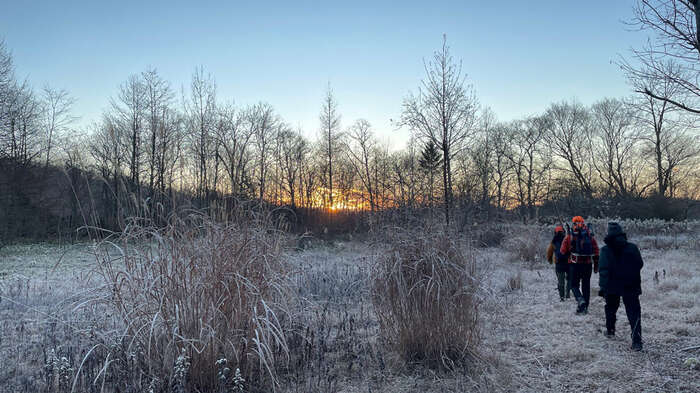
Welcome to this artist talk by Aki Nagasaka, followed by a panel discussion of four artists invited by Creative Agency and Environmental Humanities.
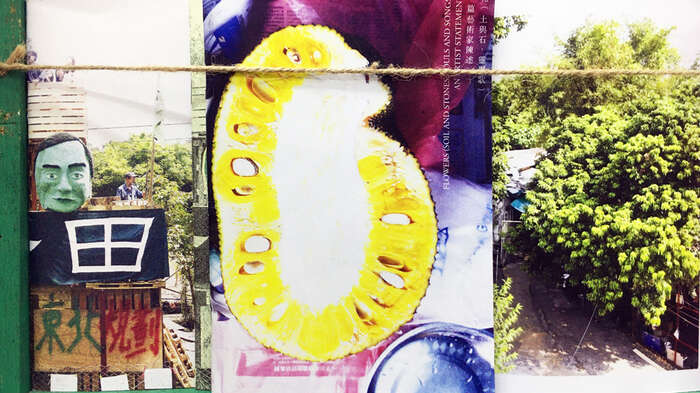
Join us at the Guttormsgaard Archive for a zine writing workshop with Hong Kong artist and writer Michael Leung, Oslo-based artist and writer Ina Hagen and graphic designer and illustrator Tiril Haug Johne, followed by an introduction to the Archive by its director Ellef Prestsæter and viewing of Asian artifacts with Prof. Nachiket Chanchani (University of Michigan) and Dr. Sarah Chen Huang (ECOART, UiO).
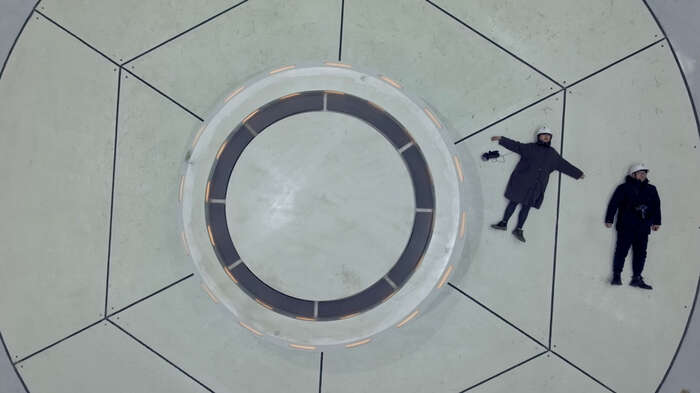
Welcome to the screening of Mia Yu’s short films Eme Cosmos (2024–2025) and Amber (2024) in the presence of the artist. Shot in Manchuria (Northeast China) at the largest open-pit mine in Asia, these documentaries seek to imagine post-extractive futures.
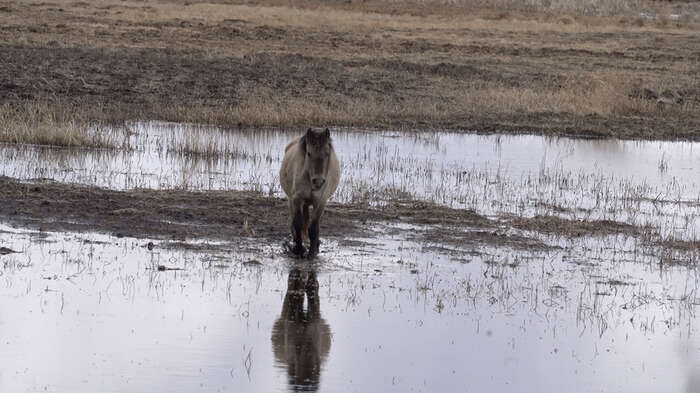
This workshop features two artist-researchers, Mia Yu (Paris & Beijing) and Kristiina Koskentola (Amsterdam & Helsinki), presenting their recent projects on the ecologies and interconnections of Manchuria (Northeast China) and Karelia (Finland), across the vast Siberian territories.

Explore the historical site of Kistefos using acoustic methods.
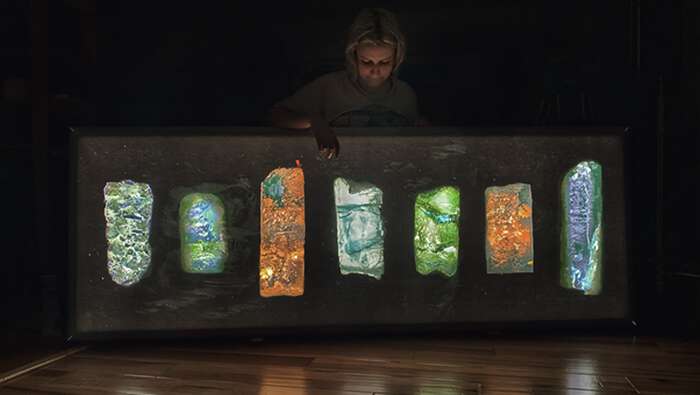
The Geoscience Disrupted team invites to a double lunch presentation with Alejandro Camargo (Colombia) and Catherine Russell (UK).
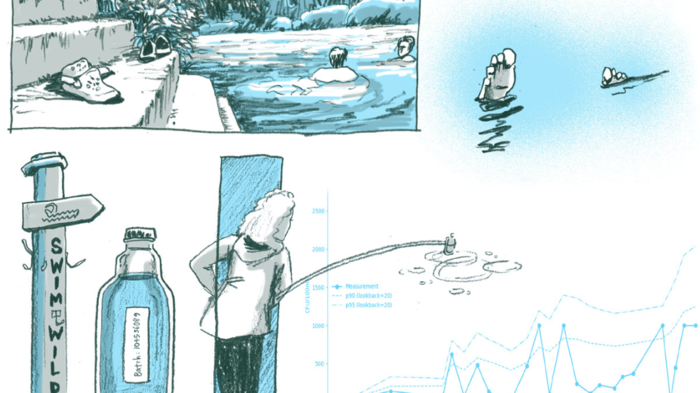
Launch event for the Metabolic Sentinels zine, "Bodies in the River, River in the Bodies." Get your free copy!
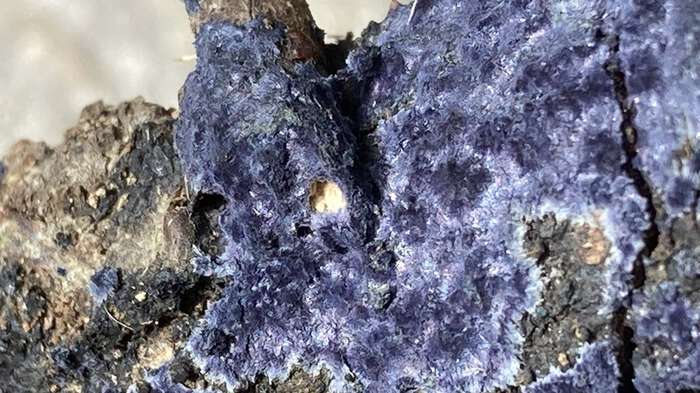
Join the OCEH-funded research group Unstable Ecologies: Place-Based Sensory Storytelling for a public excursion to Blaafarveværket, exploring cobalt extraction, critical minerals, artistic research, archives, and speculative environmental storytelling.
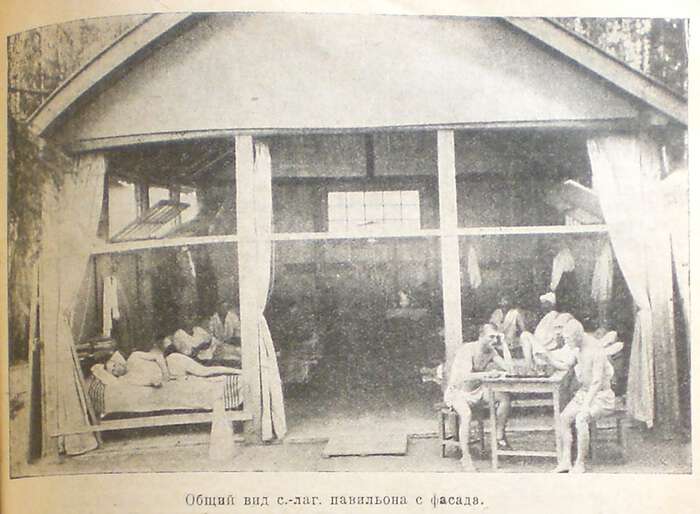
What would it look like to go beyond the binary of interior versus exterior? This workshop unseals the study of domestic interiors across geographies, periods, and academic disciplines.
The Threading Critical Resources symposium brings together researchers from art history, design history, philosophy and social anthropology to share ongoing strands of their current work on the subject of "resources," broadly understood.
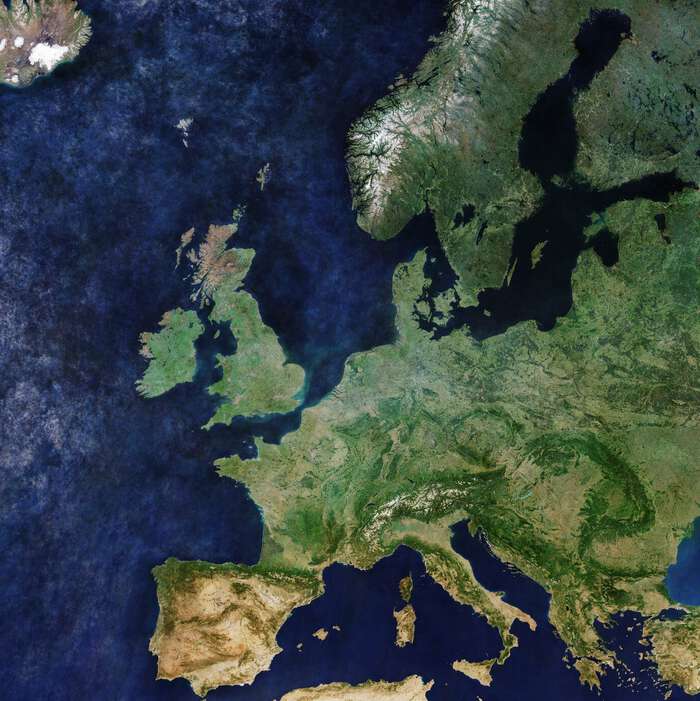
An informal conversation about the challenges facing environmental humanities initiatives in Europe.
Are you curious about climate change’s effects on Nordmarka and Olso? Wondering how our changing climate affects the diseases spreading here?

In this seminar, Marius Palz (University of Cologne) presents his new research on human remains, Indigeneity, memory, and the natural environment in Hokkaido and Okinawa (Japan).

This symposium explores the intricate entanglements between art and ecology in art historical research and the evolving role of museums in an era of environmental transformation.
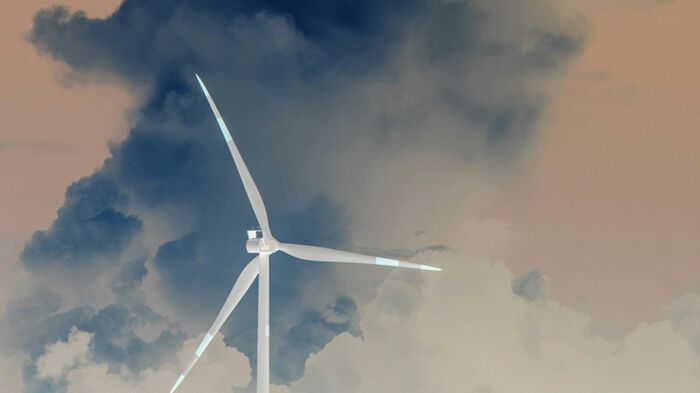
What happens when environmental pollution data enters the process of poetry production within generative literature?

This short, field-based course is designed to provide students with a hands-on introduction to ecosemiotics as a research paradigm. The course is aimed particularly at PhD and early career researchers with an interest in transdisciplinary and humanities-led environmental research who want to strengthen their practical field research skills.
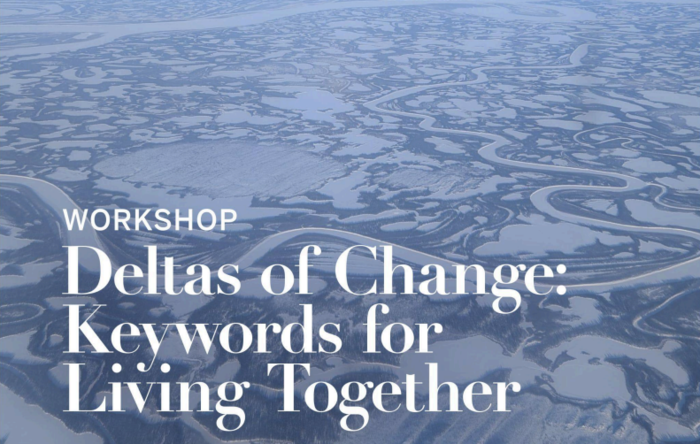
Researchers from Oslo, Venice and Cologne come together to explore deltas as symbolic and material contact zones.
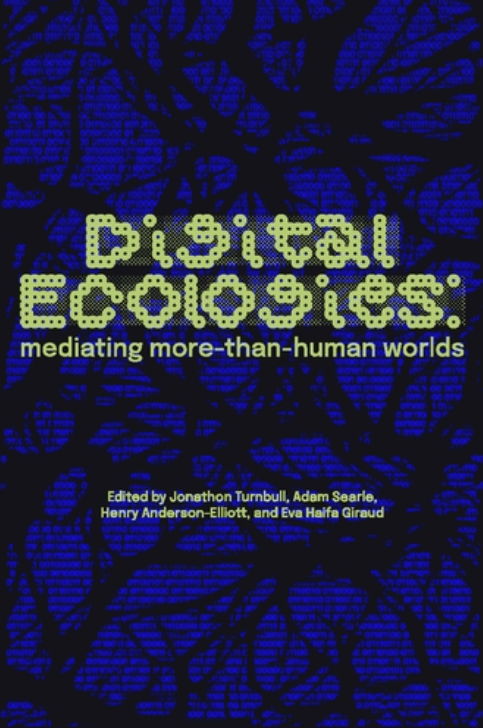
Join us for the launch of Digital Ecologies!
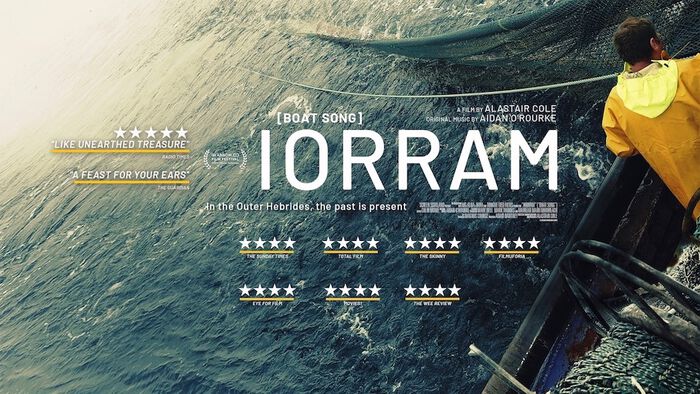
Experience a cinematic journey into the Gaelic-speaking fishing communities of Scotland’s Outer Hebrides.