OCEH events - Page 2
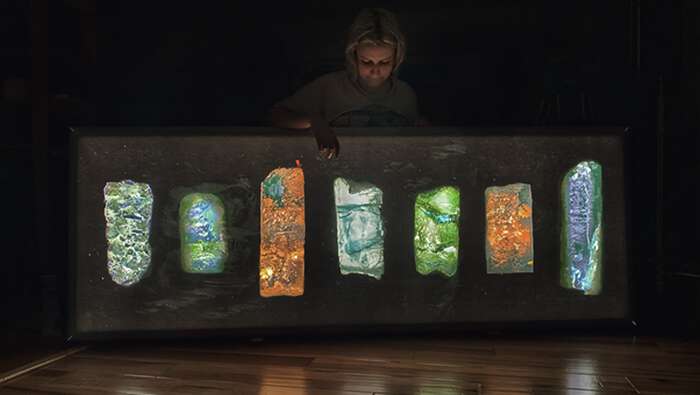
The Geoscience Disrupted team invites to a double lunch presentation with Alejandro Camargo (Colombia) and Catherine Russell (UK).
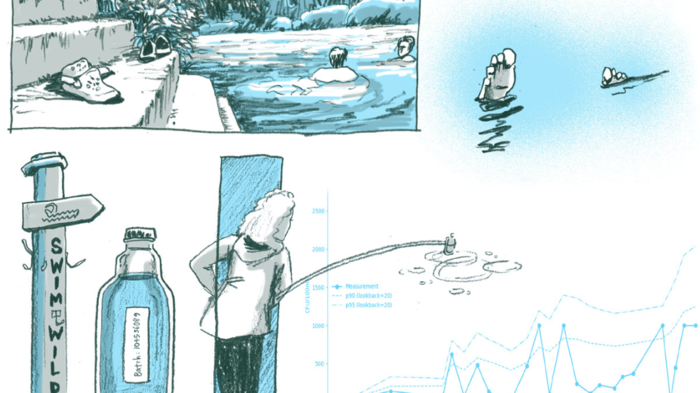
Launch event for the Metabolic Sentinels zine, "Bodies in the River, River in the Bodies." Get your free copy!
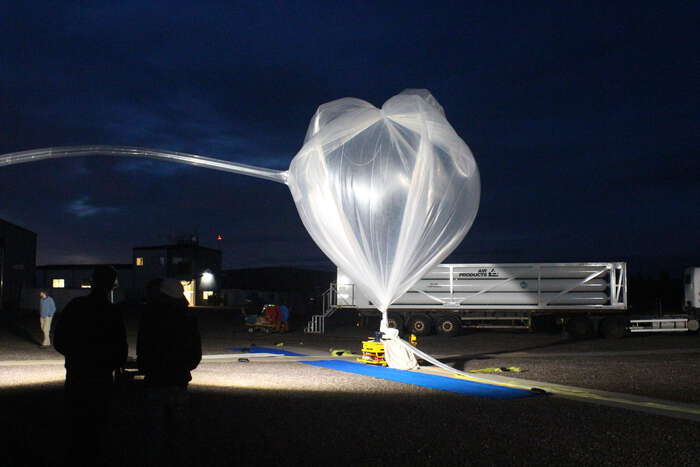
Technological solutions to ecological crises, from efficiency measures and energy transitions to solar geoengineering.

With Donovan Schaefer, University of Pennsylvania.

Guest lecture by Donovan Schaefer.
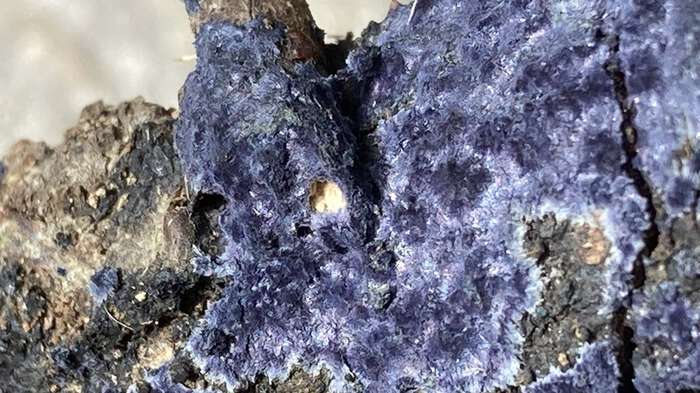
Join the OCEH-funded research group Unstable Ecologies: Place-Based Sensory Storytelling for a public excursion to Blaafarveværket, exploring cobalt extraction, critical minerals, artistic research, archives, and speculative environmental storytelling.
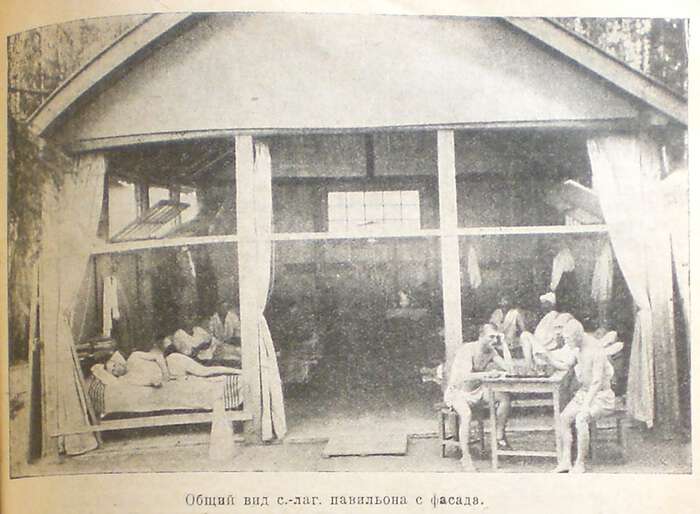
What would it look like to go beyond the binary of interior versus exterior? This workshop unseals the study of domestic interiors across geographies, periods, and academic disciplines.

A reading group that explores the notion of “environmental archives,” as a conceptual space where social sciences, history, and archival theory meet environmental studies and the history and theory of land, earth, and life in the Anthropocene.
The Threading Critical Resources symposium brings together researchers from art history, design history, philosophy and social anthropology to share ongoing strands of their current work on the subject of "resources," broadly understood.

Ethically responsible image-generation from a dual perspective: AI for sustainability, and sustainable AI.

Augmented reality sculptors are turning away from the dystopian narrative of the Anthropocene towards positive and playful narratives of fabulated imaginary worlds.
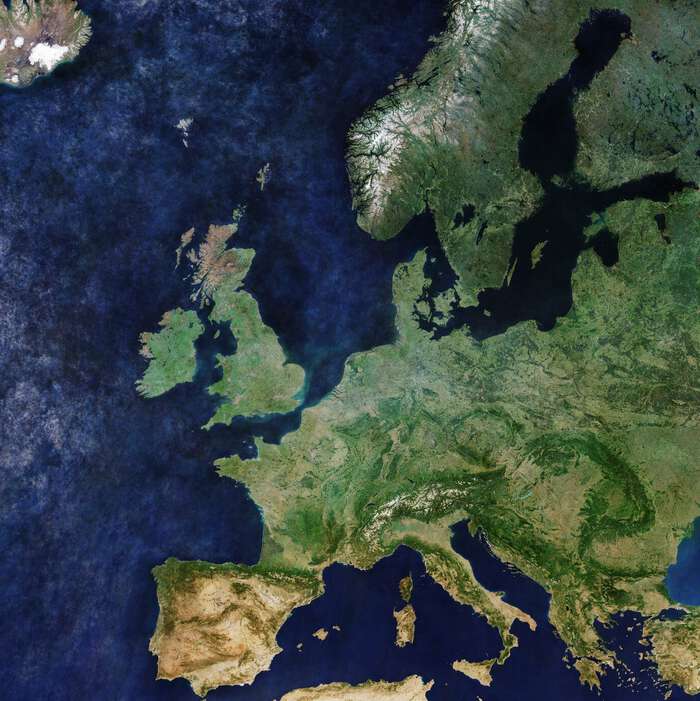
An informal conversation about the challenges facing environmental humanities initiatives in Europe.

What does it take to keep another species alive, and what kinds of knowledge and intervention does this demand?
NB Please note the timeslot of the talk has been moved and is now 14.15-16.00.

Professors Aike Rots and Rachel Douglas-Jones share their experiences and offer concrete advice for preparing your first grant submission.
A reading group that explores the notion of “environmental archives,” as a conceptual space where social sciences, history, and archival theory meet environmental studies and the history and theory of land, earth, and life in the Anthropocene.

The Bilbao Effect is a well-known concept in the museum world. Named after the Guggenheim Bilbao, it describes the idea that cultural and architectural landmarks might drive regional economic growth and urban regeneration.
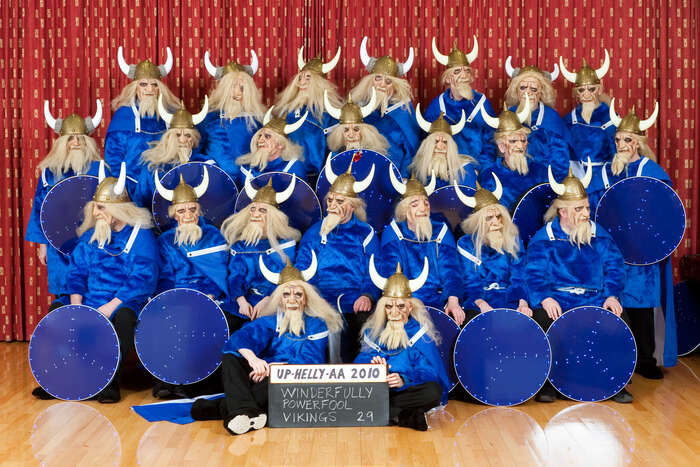
This talk presents research from the final chapter of Miriam Sentler’s doctoral thesis project, exploring how Shetlanders use motifs from mythology and science fiction in creative performances to navigate the practical implications of the renewable energy era.

Forestillingen om at natur og kultur tilhører to vesensforskjellige og adskilte sfærer er dypt rotfestet i ulike museumsinstitusjoner, kunnskapspraksiser og definisjoner av museets samfunnsoppdrag.
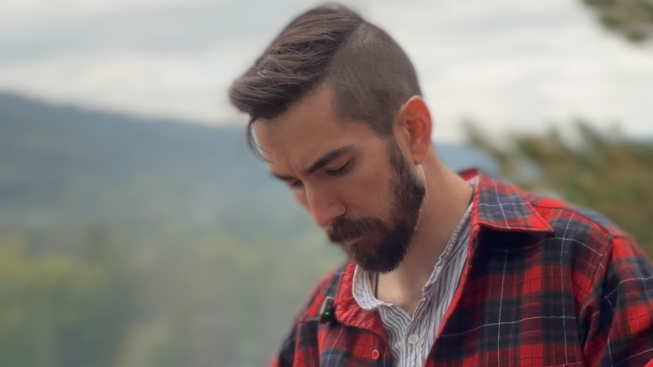
Join us for a social event with OCEH visiting scholar Dr. Colin Connors, who will discuss English folk traditions related to wassailing trees with music, noise, and bonfires to wake up the trees for spring.
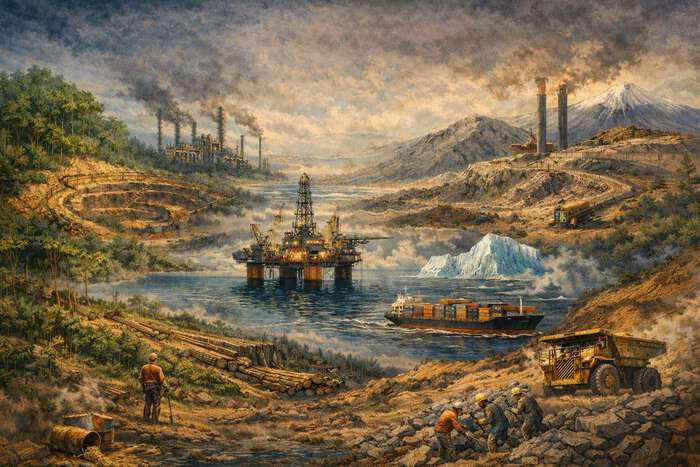
This talk presents an ongoing research project to develop a new ecocritical framework for art history by engaging theories of global extractivisms.
Are you curious about climate change’s effects on Nordmarka and Olso? Wondering how our changing climate affects the diseases spreading here?

How do non-human animals, insects, and other organisms participate in the production, care, and transformation of museum objects?

This meeting of the Al-Ard Book Club invites participants to read and discuss the novel Where the Wind Calls Home by the Syrian author Samar Yazbek (2024). The original Arabic title is Maqām al-Riḥ and was published in 2021.

How do Indigenous political and legal traditions challenge western political theory and offer alternatives for governing land use and natural resources?
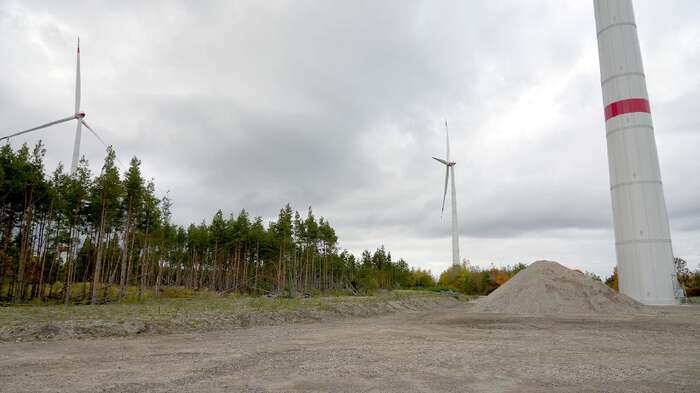
An exploration of how the energy transition is experienced politically on the ground in rural Eastern Germany.