OCEH events - Page 3

Velkommen til et treff der vi får presentert og diskuterer bærekraftarbeid i museene. Arrangementet er på norsk og åpent for alle, men krever forhåndsregistrering.
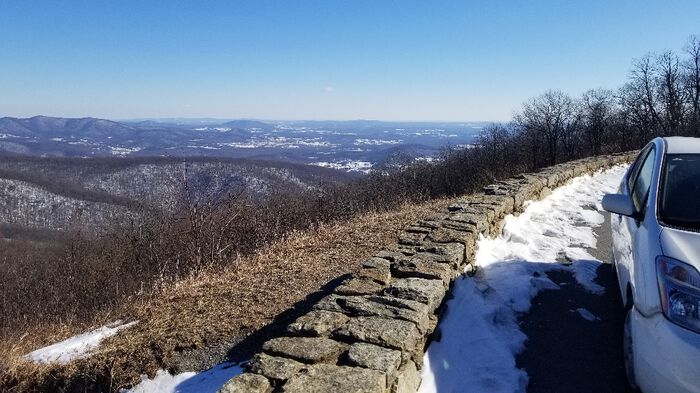
Community-based writing and research in times of intersecting crises.


This first meeting of the Al-Ard Book Club invites participants to read and discuss excerpts from Abdel Rahman Munif’s novel Cities of Salt (Mudun al-Milḥ, 1984).

In this seminar, Marius Palz (University of Cologne) presents his new research on human remains, Indigeneity, memory, and the natural environment in Hokkaido and Okinawa (Japan).
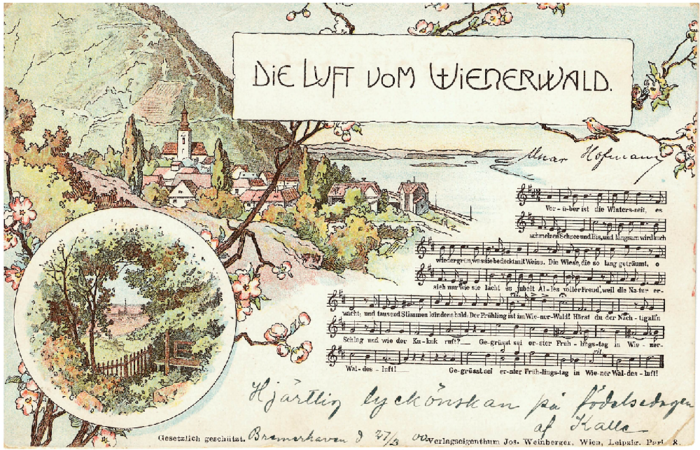
Sadie Menicanin — The Air of the Vienna Woods / Die Luft vom Wienerwald
Forest air and music in fin-de-siècle Vienna.
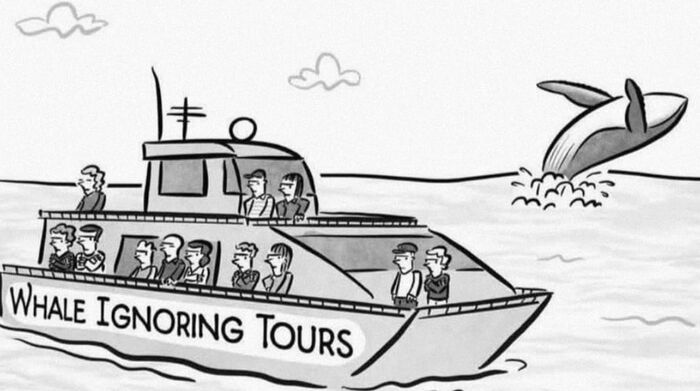
Narrative arcs and constitutive absences in whale tourism.

This symposium explores the intricate entanglements between art and ecology in art historical research and the evolving role of museums in an era of environmental transformation.
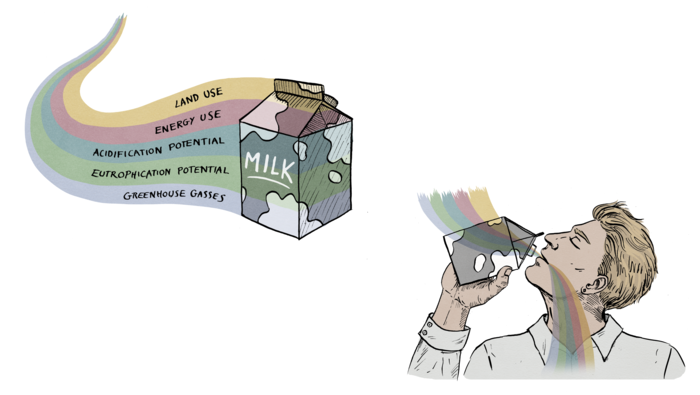
Capitalist modes of agricultural production - premised on the acceleration and simplification of agricultural landscapes and the creation of markets for cheaply produced yet unhealthful products - are undermining efforts to foster just and sustainable planetary futures.
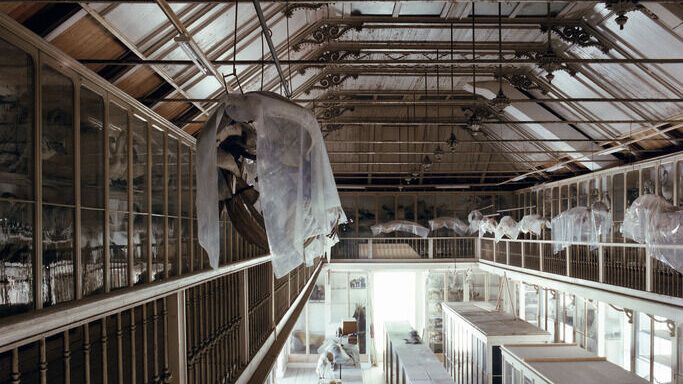
Exploring the emergence and impact of multispecies thinking and practice in contemporary Amsterdam museums.

Visiting scholar Karin Wagner discusses her ongoing book project Packaging design: sustainability, aesthetics and social issues.

Using examples from human-macaque interactions in Singapore, Stuart Strange explores how anthropomorphism depends on cooperative intuitions that both conceal and reveal wider possibilities for relating.
How has the Sámi political space changed over time due to shifts in environmental discourses?
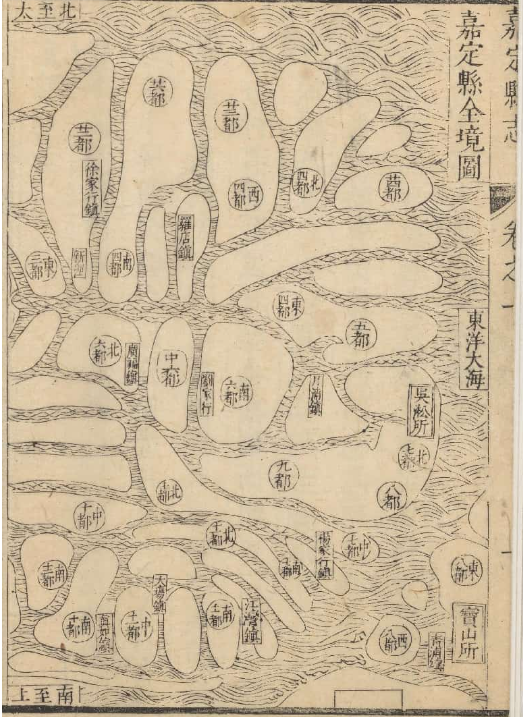
“Ameliorating policies, restoring order and being sincere in affairs is the way to end calamities”: thus wrote county magistrate Zhao Xinshi in 1673, a generation after his jurisdiction Jiading was plagued by drought, epidemic, famine and warfare.

What happens when environmental pollution data enters the process of poetry production within generative literature?

How can we develop unconditional relationships with earth?
How can the varied approaches more common in creative practice help those of us in the humanities who are struggling with disciplinary placement in an undisciplined age?
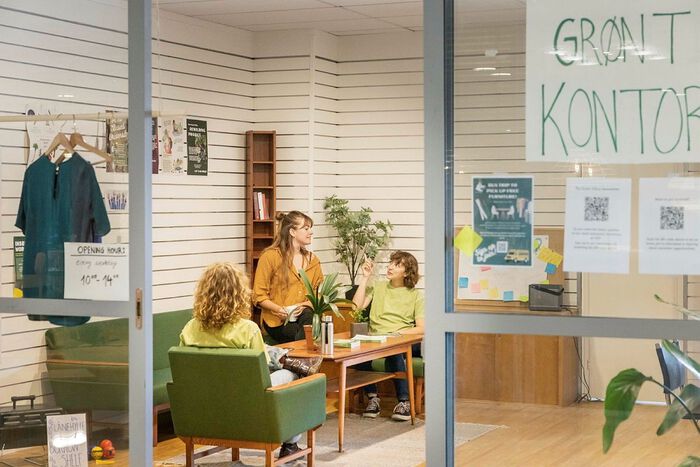
The UiO Green Office works toward making sustainability an integral part of the University.

Gather around the fire.

This short, field-based course is designed to provide students with a hands-on introduction to ecosemiotics as a research paradigm. The course is aimed particularly at PhD and early career researchers with an interest in transdisciplinary and humanities-led environmental research who want to strengthen their practical field research skills.
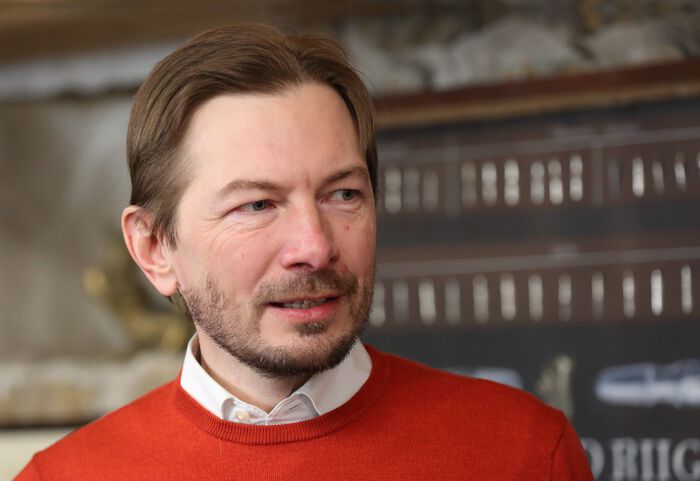
Ecosemiotics can help us understand how significance in life is created, maintained and lost: important knowledge for moving towards a sustainable culture.
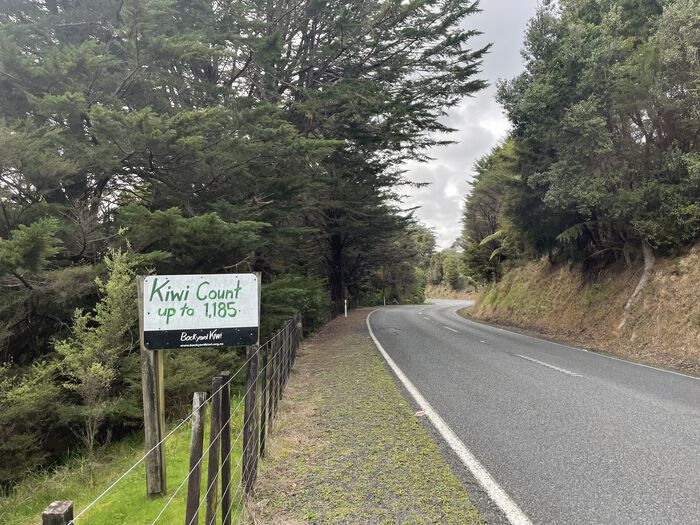
The forests of Aotearoa are busy with life, and most of it is eating something.
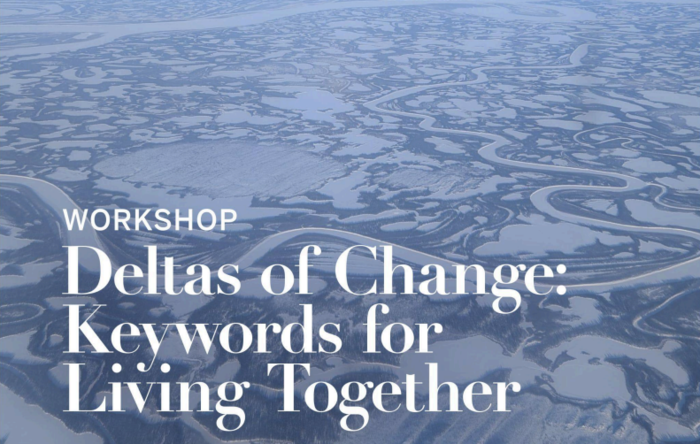
Researchers from Oslo, Venice and Cologne come together to explore deltas as symbolic and material contact zones.
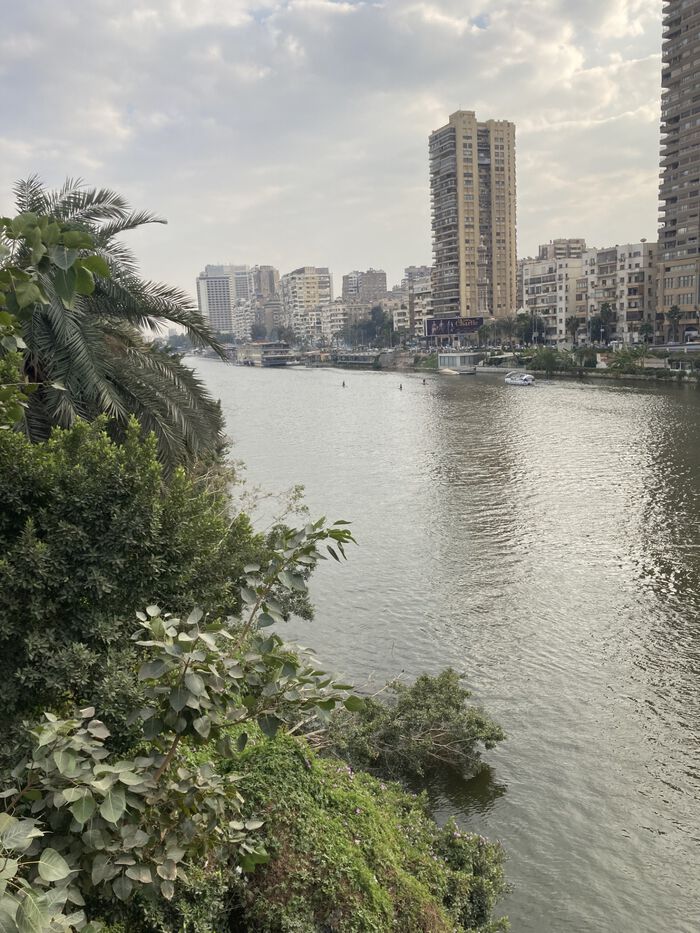
Quranic cosmology draws on a more-than-human reality, encapsulating a world animated by vibrant animate, inanimate, and supernatural beings that are interactional, performative, and communicative.

Dolly Jørgensen, editor of Environmental Humanities, shares insights into the publishing process from an editorial perspective.