Research groups

This research group aims at getting an overview of the many artifacts from Asia featured in Oslo’s museum collections to research their provenance.

The group brings together researchers who seek to strengthen Byzantine studies.
We study conceptions of children and youth and ideas about how they should be educated, raised, shaped or engaged, in European and Norwegian history.

Climate change and biodiversity loss are among the major challenges affecting our planetary commons. Drawing insights from some local commons, we examine how they may be governed in the future.

The research group “Environmental Art” explores the ecological entanglements of artistic practices and cultures broadly defined, in a multidisciplinary context.
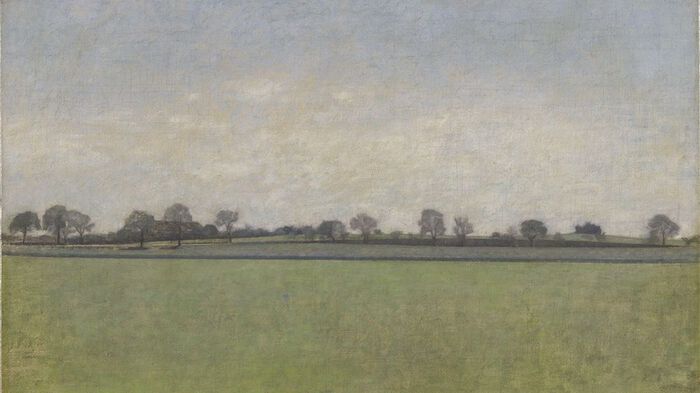
Re-thinking modernist art, architecture, and visual culture.
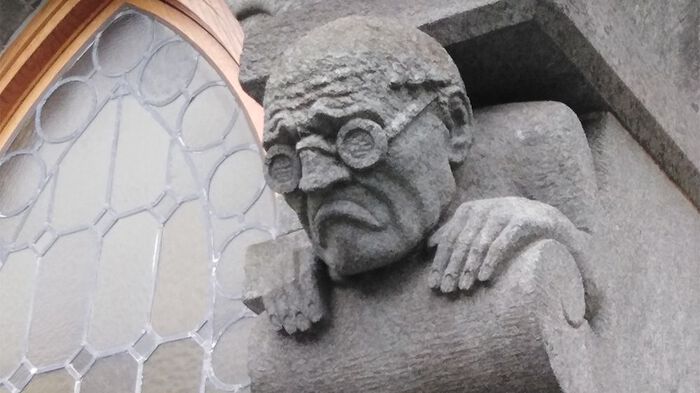
The research group explores theoretical and methodological aspects of the study of verbal art.
Traditionally concerned with the principles of valid inference, contemporary logic is a diverse and interdisciplinary field unified by a common core in formal logic.

The research group study notions of time and history in medieval Europe, focusing primarily on Rome and the long twelfth century.
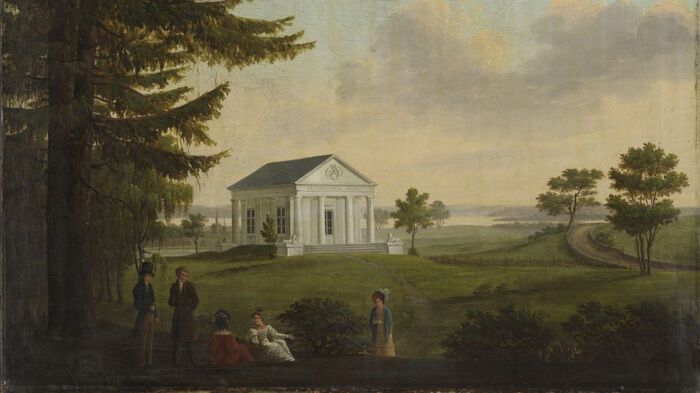
How were Greek and Roman texts, images, and ideas employed in the formation of Norwegian national identity in the 19th century?
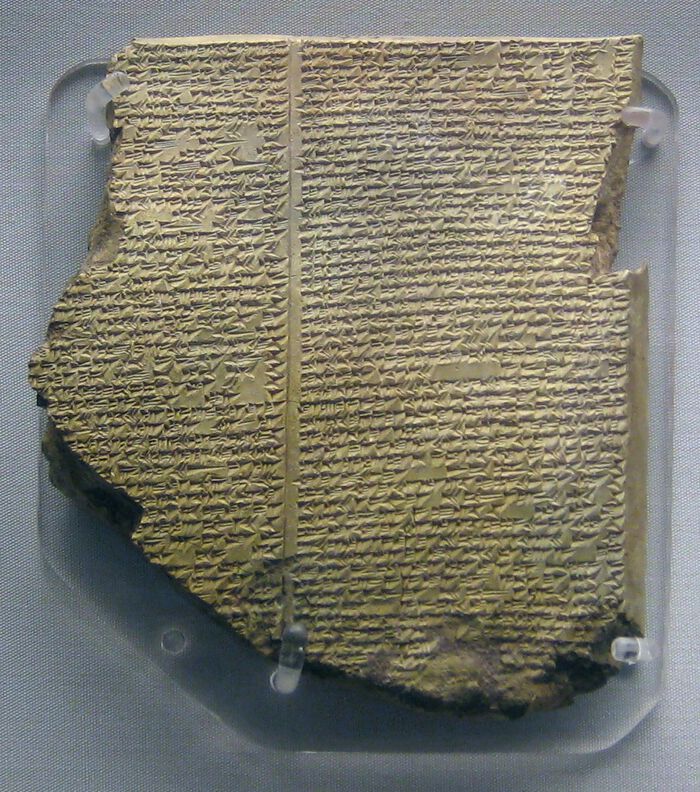
This research group studies the origins, developments and interactions of the two most persistent and influential literary genres, the novel and the epic, from antiquity to the Middle Ages, the Early Modern Period and the present.

Bringing together researchers investigating how speakers go beyond linguistically encoded meaning in communication, and how children develop this ability.

What is the relation between science and democracy and what should it be?

The interdisciplinary research group brings together scholars working on early modern literature, broadly defined as the centuries between 1300 and 1700.
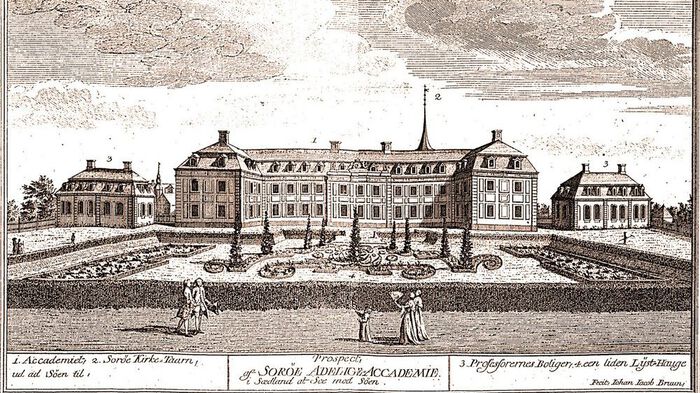
The Enlightenment was crucial in shaping modern European thought and society. What characterized the Enlightenment in Norway and the North?
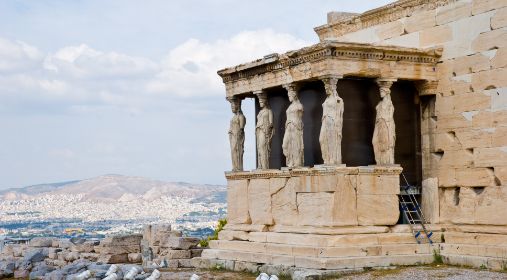
We study ancient philosophy from the Pre-Socratics through the Classical and Hellenistic periods down to Late Antiquity and the Early Christian era.
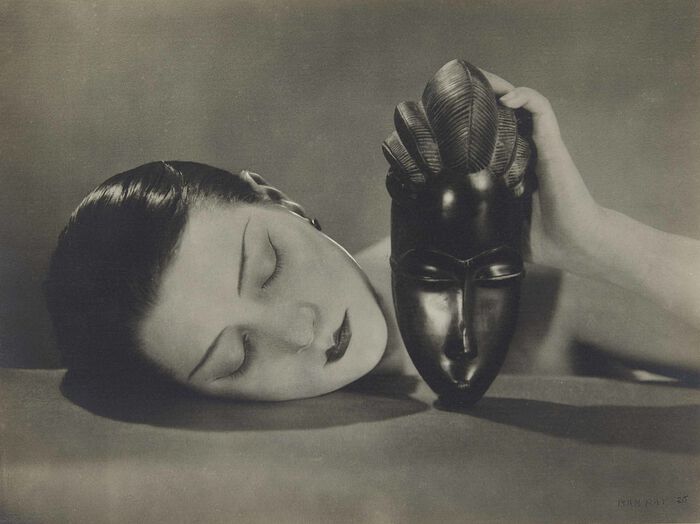
What kinds of roles have images and artefacts played, and continue playing, in societies? How do they make the world known, consolidate social relations, or stand as points of resistance?