Published
Oct. 8, 2026 10:25 AM
In the world’s most authoritarian region, football terraces have become an important arena for criticism of those in power, and for the struggle for freedom.
In the world’s most authoritarian region, football terraces have become an important arena for criticism of those in power, and for the struggle for freedom.
Norwegian emigrants to America were motivated by the Harmonists, a Pietist movement that practised communal ownership, lived in celibacy, and became the wealthiest community in North America.
In the shadow of Napoleon’s invasion of Russia, hundreds of thousands died of the plague in Istanbul. The epidemic has been completely overlooked in history. Until now.
Clothing and shoes from the Chinese brand Shein are making their way into the world through the efforts of individuals. This is how the company reaches new customers without the need for credit cards or direct access to transportation.
The international boycott of the Hamas government was a major mistake and has laid the groundwork for a more hardline approach within the organisation, according to a researcher from the University of Oslo in a new book.
There is little evidence to suggest that so-called animistic religion can help us in in the face of ecological crisis and climate change, says religious studies scholar Aike Rots.
Authorities should look to creative visions of the future when making contingency plans. At the University of Oslo, researchers have developed methods to explore people's thoughts about an uncertain future.
They oppose international conventions for gender equality and distance themselves from Western feminism. The conservative network aims to promote women's interests on its own terms.
Preferential trade agreements enable Norway to import large quantities of meat from Africa. This may undermine climate change mitigation in the agricultural sector.
In the 1970s, Japanese comics transported their readers to “exotic Europe” when characters engaged in activities that were taboo and the Japanese society was to be criticized.
Vultures are often associated with death, but some vulture species are themselves at risk of extinction. What can their fate tell us about the interaction between humans and the natural world in our time?
Frederik Schübeler passionately shared his knowledge about nature and taught people how to cultivate their own produce. There is a lot to learn from him, according to a UiO- researcher.
Science fiction is popular at the same time as a new wave of feminism hits China. This leads to more attention for female authors of the genre.
Distrust of the state in Turkey, religion and abortion resistance in the United States. Politics and culture are just as important in explaining vaccine hesitancy as health.
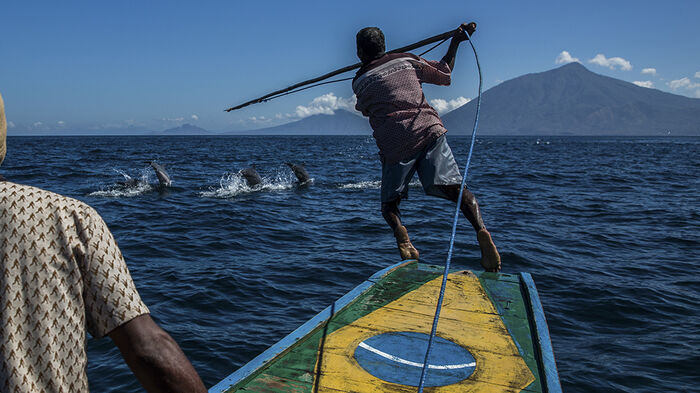
The ethics of whaling are determined by whether one understands whales as a resource or as endangered species.
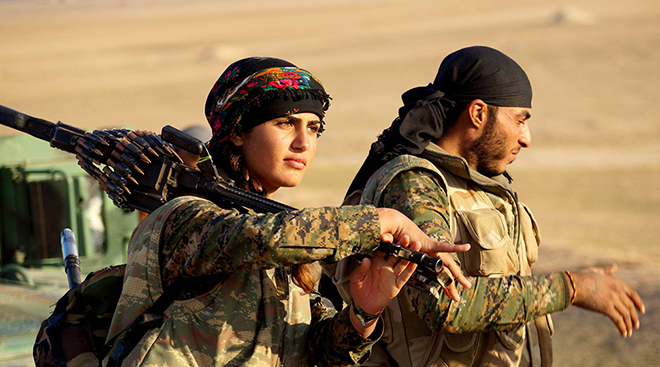
New research explains why the Kurds in Syria and Hamas in Gaza have stayed in power, while ISIS lost their legitimacy and rule in Iraq.
In China, where everyone uses WeChat to book taxis and chat with friends, doctors can diagnose with advice from across the globe. Meanwhile, the Communist Party is watching.
Pandemics, mass surveillance and natural disasters are popular topics in science fiction. The stories can inspire creative solutions to the challenges we face today, according to Bodhisattva Chattopadhyay.
Norwegian scholar Bjørn Olav Utvik criticises the West for turning a blind eye to the suppression of oppositional voices in the Middle East.
While visiting a bookshop in Cairo looking for material for his Research Project, Middle East researcher Jacob Høigilt unexpectedly discovered a shelf full of comic books.
With the start of Oslo School of Environmental Humanities at the University of Oslo in 2019, the combined strength of the humanities come together to help combat climate change.
For ten years, Saudi women have been playing football below the government’s radar. A pro-reform prince has raised hopes that they may soon be able to play openly.
Saudi Arabia's most popular woman on Twitter supports the absolute monarchy of the royal family and wants gender segregation in the workplace. Doctoral student Laila Makboul is asking what the source of her popularity is.
Heavy air pollution has led to increased environmental consciousness in China. A growing number of apps now allow people to check local air quality. Apps also serve as tools for political activism.
The oil-soaked Middle East has started to think green. In the long term, this may sway the region’s authoritarian regimes in a more democratic direction, according to researchers Brynjar Lia and Jon Nordenson.


.jpg?alt=listing)